





Picture a customer eagerly awaiting an important delivery, refreshing the tracking page with growing anxiety. There are no updates, no answers, just uncertainty.
With real-time support, a simple message from your team like “Your package is on the way and will arrive by 3 PM” provides customers the clarity and reassurance they need. At that moment, frustration turns into relief, and trust is built in your business.
In a nutshell, when customers know they can rely on your support team for instant answers, you don’t have to worry about dealing with unhappy customers or losing them due to delays.
This article uncovers the benefits, best practices, and tools for implementing real-time support in your business.
What is real-time support?
Real-time support refers to immediate, on-the-spot assistance provided to customers whenever they reach out.
Businesses can respond instantly to customer queries across multiple communication channels such as phone calls, live chat, messaging apps, and social media platforms- eliminating delays and long wait times.
Real-time support turns moments of doubt into opportunities to build customer trust and strengthen customer relationships.
Think of it as having a superhero on standby, always ready to step in and save the day the second a customer reaches out for help.
Types of real-time agent support channels
In an age where real-time solutions are essential, providing just one support option is no longer sufficient.
Quick responses are paramount, as customers expect fast solutions across every platform.
But which ones are the best fit for your organization? Let’s explore how different support options can help your business stay ahead of the curve.
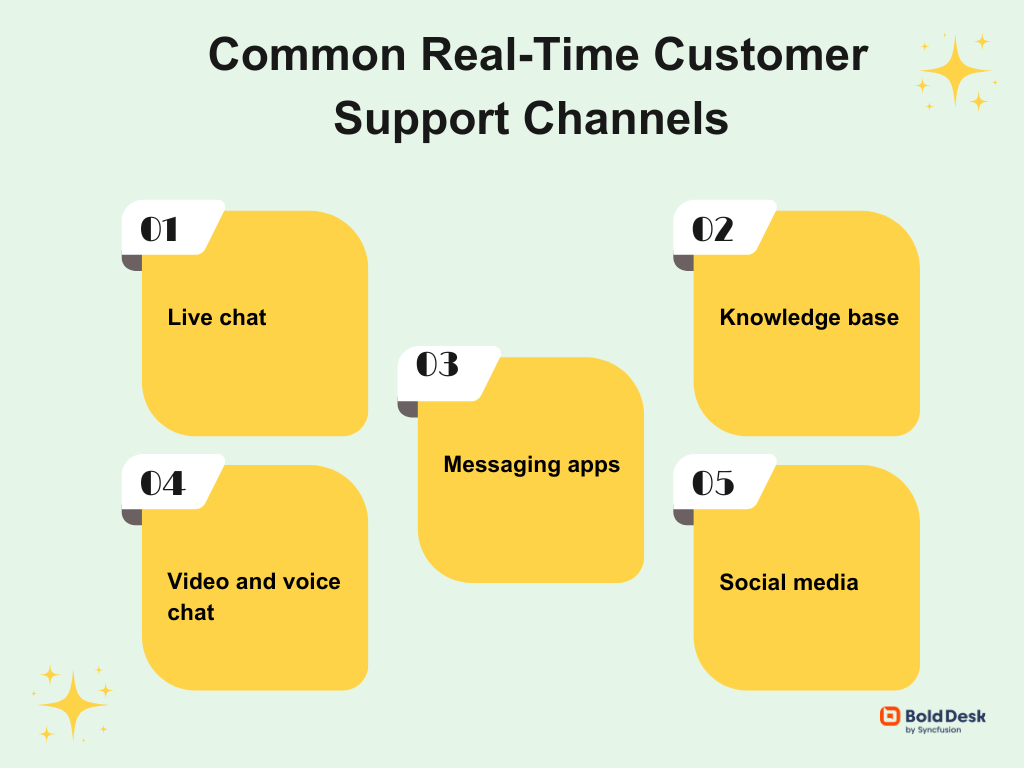
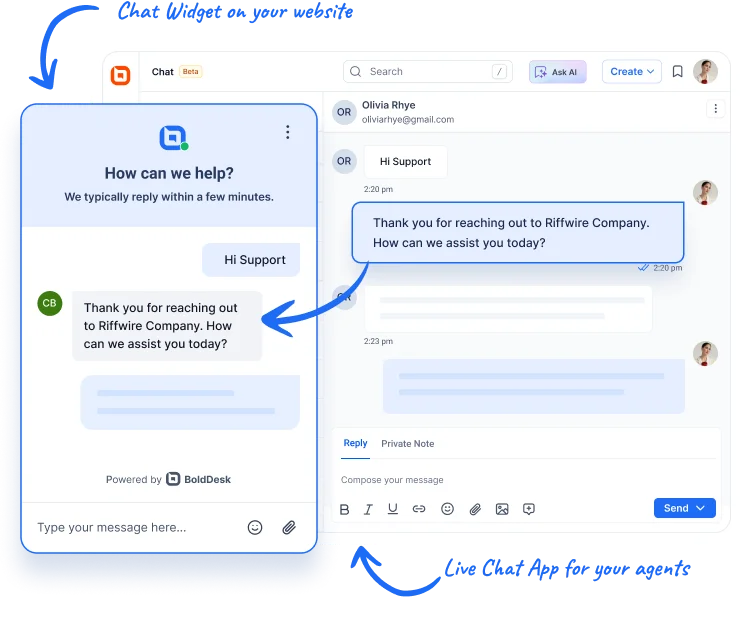
Live chat is a real-time communication channel that allows customers to connect with live agents through a chat window on a website or mobile app.
It enables immediate, interactive conversations, allowing agents to address inquiries, provide solutions, and assist with problem resolution in a timely and efficient manner.
Live chat interface makes communication effortless and real-time, enhancing the support experience for both agents and customers.
That explains why 38% of consumers are more likely to make a purchase from a company if they offer live chat support.
Knowledge base
Knowledge base is a self-service platform that stores comprehensive information about products and services.
It includes a variety of self-help materials, including FAQs, how-to guides, and troubleshooting instructions, all aimed at helping both agents and customers resolve issues.
According to Statista, 88 % of customers except companies to have self-service support portals.
Customers can easily access the self-service portal and immediately find solutions to common questions independently.
Messaging apps
Instant messaging has brought about a new era of communication, offering real time engagement right at the fingertips, transforming how people connect and engage.
Platforms like WhatsApp and SMS enable real-time back-and-forth messaging for immediate support.
These platforms have become a common part of daily life, allowing people to communicate instantly, no matter where they are.
Video and voice chat
Video and voice chat tools bring a whole new level of real-time support, allowing businesses to assist customers face-to-face through live video calls or audio conversations.
These tools excel when it comes to complex issues that require step-by-step guidance, something that’s difficult to fully convey through text alone.
It’s like trying to assemble furniture with only written instructions.
With video or voice chat, agents can walk customers through the process in real-time, offering visual or verbal support to make each step clear and easy to follow.
Social media
Social media has become incredibly popular, with billions of active users on platforms like Facebook, Twitter, and Instagram.
This high usage has made it a key space where both individuals and businesses connect. For businesses, it offers a unique opportunity to engage with customers directly and instantly.
Social media allows companies to quickly address customer concerns, offer solutions in real-time, and build stronger relationships with their audience.
Benefits of offering real-time service
64% of customers expect quick responses and interactions real-time support is no longer a luxury.
Real-time support is no longer a luxury. It’s the new standard for businesses that want to stay competitive and build stronger connections with customers.
So, why is real-time support so essential? Below are some of the benefits.
Challenges of real-time support
Real-time support offers quick solutions, but it also comes with its challenges.
While the pressure can be tough, overcoming these challenges can lead to stronger customer relationships and better overall service.
- Scaling support without compromising on quality: Consistently delivering high-quality responses within a short time can be tough. Some solutions might be inaccurate or not completely resolve the issue since they are provided fast.
- Overcoming technical reliability issues: Real-time support relies heavily on technology, and any system failure or connectivity issue can disrupt service. Additionally, some support agents might not be experienced or knowledgeable enough to handle technical issues immediately.
- Handling high volumes of customer issues: As a business grows, the number of incoming support requests is likely to increase. Some issues might end up being missed or remain unanswered for long.
- Managing costs of operation and maintenance: Offering 24/7 real-time support can be costly due to the need for advanced technology and increasing the number of support teams.
Best practices for real-time customer service
Your business may have the right tools and human resource for real-time support but may need to have the right approach to get it right.
Let’s dive into the key practices that will not only enhance your customer experience but also ensure they keep coming back for more.
Offer multiple channels for real-time support
Your customers engage across multiple platforms, each with their own preferences. To successfully offer real-time support, you should choose the right channels to meet them where they are.
- One of the most effective ways to do this is by implementing live chat widgets on websites and applications, allowing instant communication between customers and support agents.
- Additionally, keep an eye on your social media platforms like Facebook to catch brand mentions, comments, or complaints from customers, ensuring that you don’t miss any opportunities to provide instant support.
- Beyond direct communication, self-service options like a well-organized knowledge base with FAQs, tutorials, and troubleshooting guides empower customers to find solutions independently.
- Omnichannel customer service consolidates all the above communication channels into a single interface, allowing agents to manage all inquiries efficiently.
Empower agents to provide customer service in real time
The success of real-time support relies on the expertise of your agents, who should have the right training and resources to deliver top-notch, immediate assistance.
Here are some valuable tips to help enhance the effectiveness of your customer support team.
- Focus on continuous product and soft skill training to agents, ensuring they are well-informed and can effectively handle all customer interactions in real time.
- Utilize an internal knowledge base to ensure your agents have quick access to helpful resources like product guides and troubleshooting steps. This helps them resolve customer problems faster without needing to consult others or escalate for help.
- You can also equip your team with the right productivity tools such as CRM, knowledge base, and help desk ticketing system. Such tools enable agents to handle multiple requests and respond faster, improving efficiency and service quality.
Turn every interaction into a personalized experience
Make every engagement you have with a customer feel like it was crafted just for them.
Each interaction feels seamless because it’s based on their past choices, preferences, and needs.
When support agents have quick access to data like past purchases and support history, they can provide faster, more informed assistance.
CRM tool provides support agents with real-time access to customer preferences, history, and interactions, enabling them to tailor responses and solutions.
Your business can track and analyze customer data to ensure every interaction is seamless and relevant.
Adopt advanced technology for delivering real time customer service
Let’s take, for instance, your company has a busy support team, and customers are reaching out at all hours with different customer requests.
Some questions are repetitive and can be answered in seconds, while others require deep expertise and are time-consuming.
Leveraging advanced customer support technology is the key to solving this challenge.
Think of AI as your assistant who never takes a break, providing suggestions to help your team respond to simple inquiries in seconds.
Utilize help desk automation tools to instantly work on repetitive tasks, ensuring simple issues are addressed fast while agents focus on handling difficult issues.
Additionally, a mobile help desk allows support teams to handle tickets and respond to customer queries anytime, anywhere, making support fast, flexible, and always at your fingertips.
Regularly monitor and improve the quality of support
Continuously tracking key performance indicators (KPIs) gives your company a clear picture of how your real-time support is doing. How can you ensure that your real-time support is performing at its best? Here is a guide.
- Pick the right metrics: Focus on the most important data, like how fast you respond (First Response Time), how quickly you solve problems (Resolution Time), and customer satisfaction (CSAT Score). Consistently track and evaluate these metrics to ensure your team is responding efficiently and resolving issues quickly,
- Set up SLA triggers: Create automation rules to get notifications or alerts when there are issues like escalations, slow response times, or negative customer feedback.
- Collect customer feedback immediately: After resolving a ticket, ask customers how satisfied they were with the support. Always check feedback regularly.
5 Best real-time support software solutions
The need for speed has never been greater in organizations, and support tools are the key to providing quick, effective solutions.
Businesses need to have the right set of tools to achieve a coordinated real-time support strategy. Here are some of the tools.
BoldDesk®
BoldDesk is AI-powered customer service software that helps businesses to connect, solve problems, and follow up with customers in real time.
It has comprehensive features that empower teams to deliver instant, personalized support across multiple channels, making customer interactions smoother and more efficient. These BoldDesk features include:
- BoldDesk’s live chat software allows customer support agents to engage with users instantly, providing immediate assistance for urgent or simple issues.
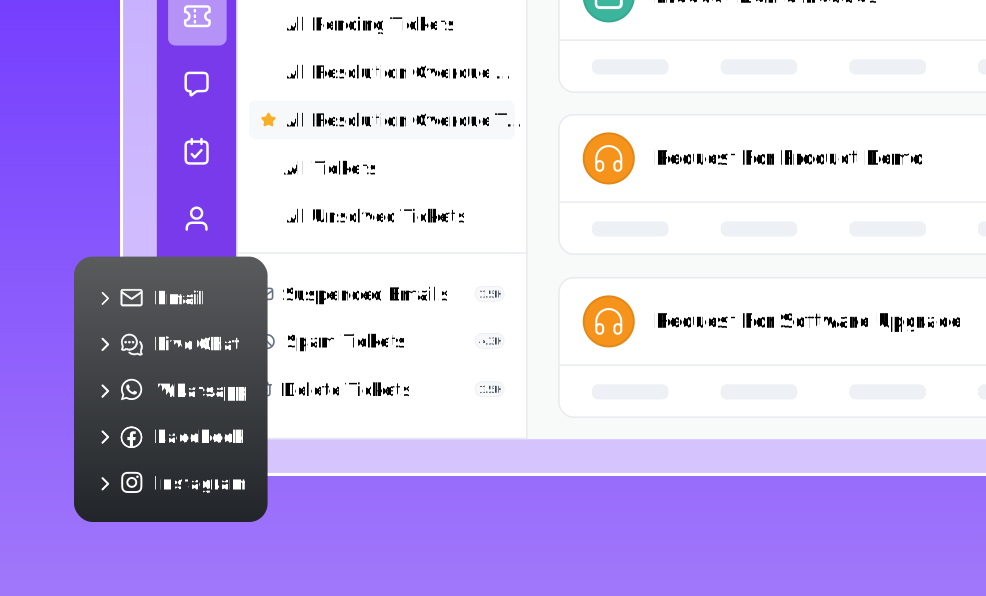
- Manage all customer interactions across multiple support channels such as email, WhatsApp, or Facebook, with BoldDesk’s unified omnichannel inbox.
- The built-in knowledge base software allows businesses to easily create and manage frequently asked questions or self-help articles, empowering their users to resolve issues independently.
What makes BoldDesk stand out is that it offers powerful features at an affordable price, helping businesses of all sizes deliver support in real-time.
Intercom
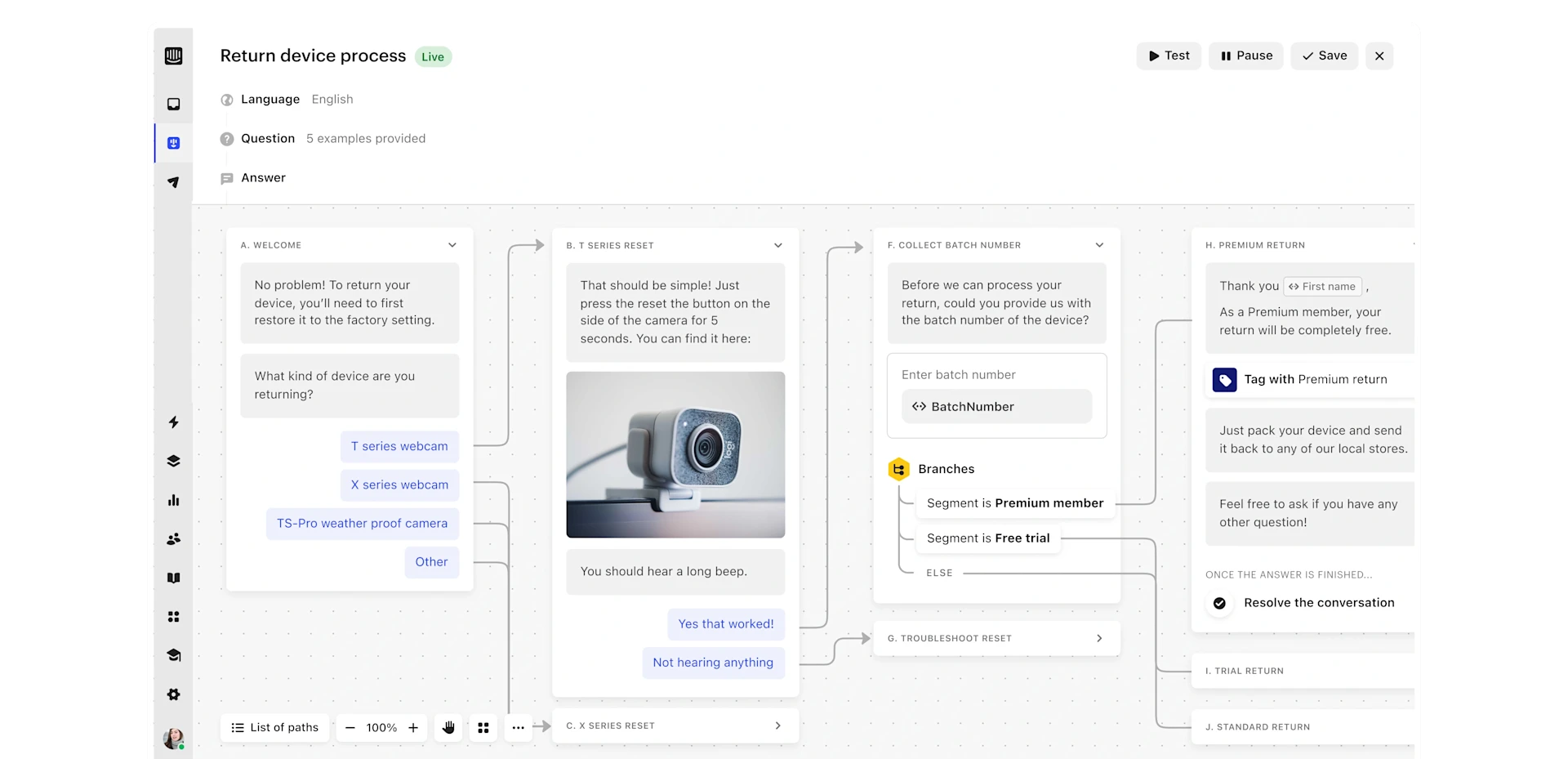
Intercom is a real time customer support platform that offers features like in-app messaging, video and voice chat, and integrated self-service options, allowing businesses to engage with customers instantly, for quick issue resolution.
Whatfix
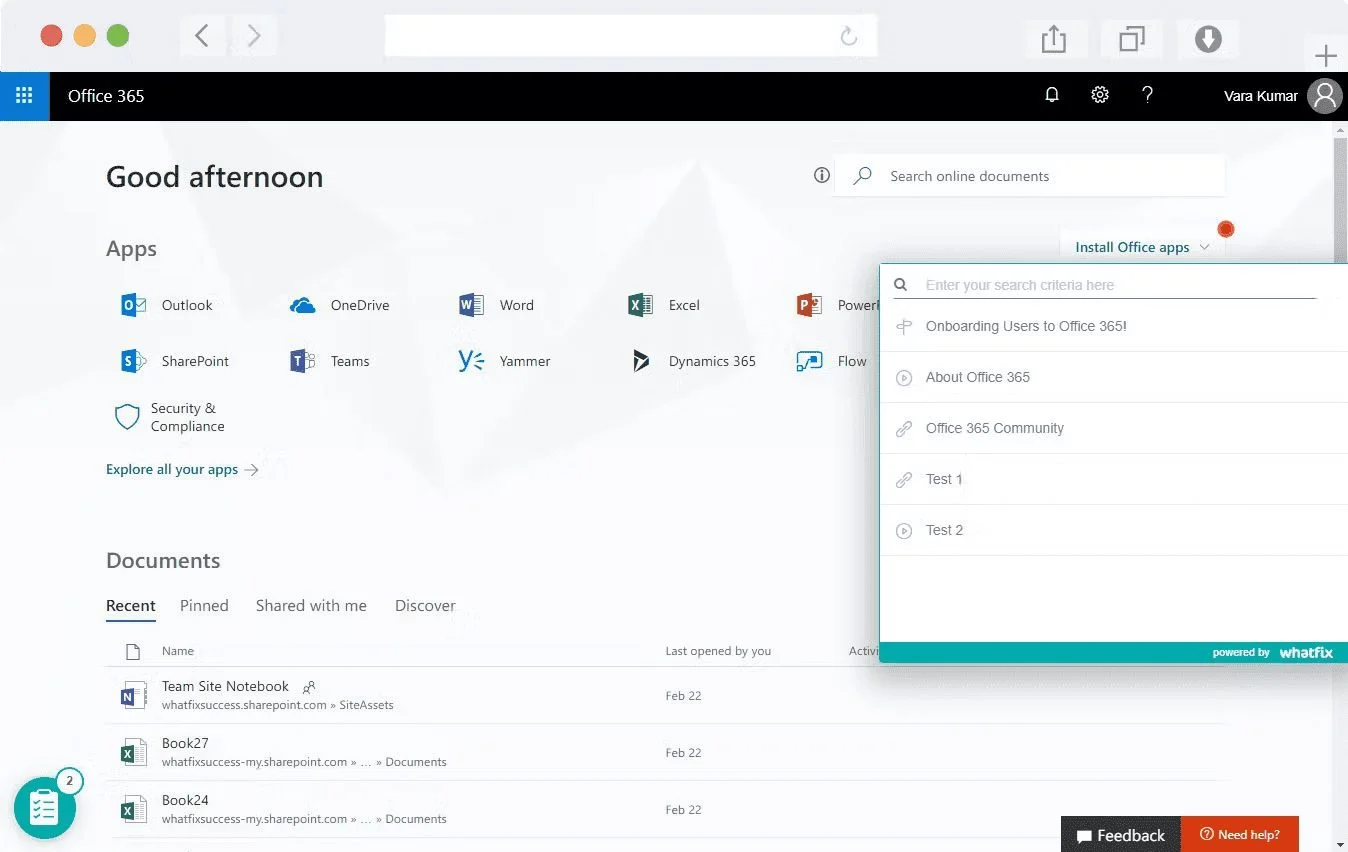
Whatfix is a digital adoption platform (DAP) designed to deliver on-demand, in-app support. As a real-time support tool, Whatfix includes features like interactive walkthroughs, pop-ups, tooltips, and contextual help.
These features allow you to provide immediate help and guidance, ensuring users can access solutions without having to exit the application to search for answers.
Zoom
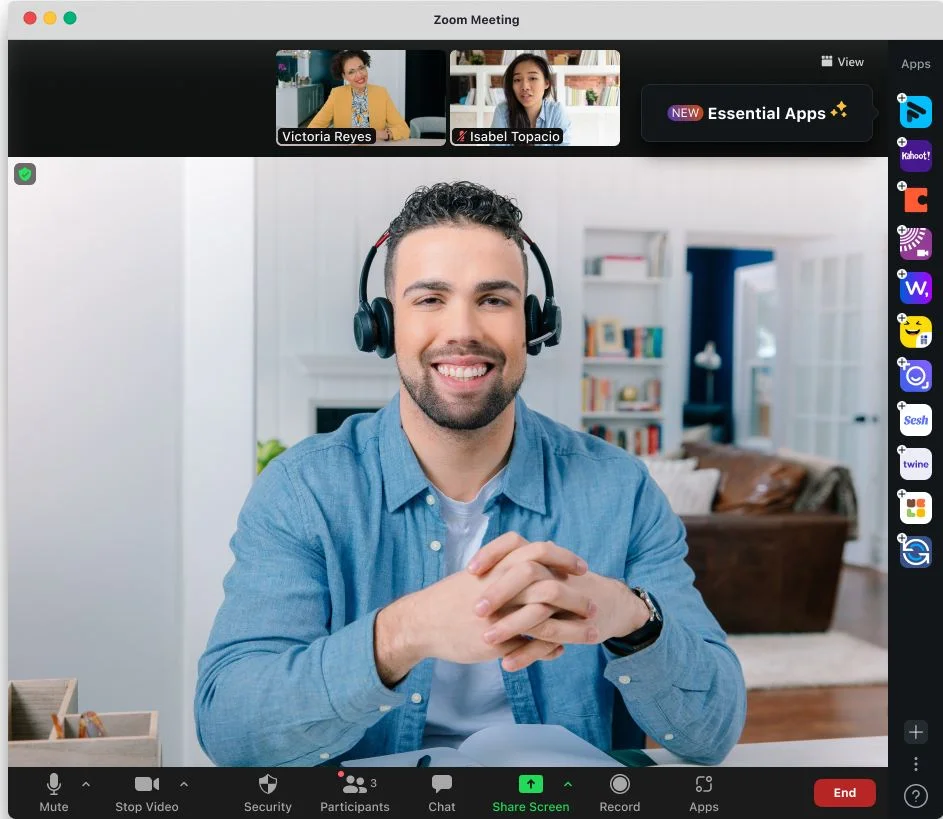
Zoom is a platform that enables individuals and businesses to connect virtually through face-to-face video calls. It includes features like screen sharing, chat, whiteboard, and more. Support agents can quickly engage with customers, address issues, and navigate complex problems efficiently.
Drift
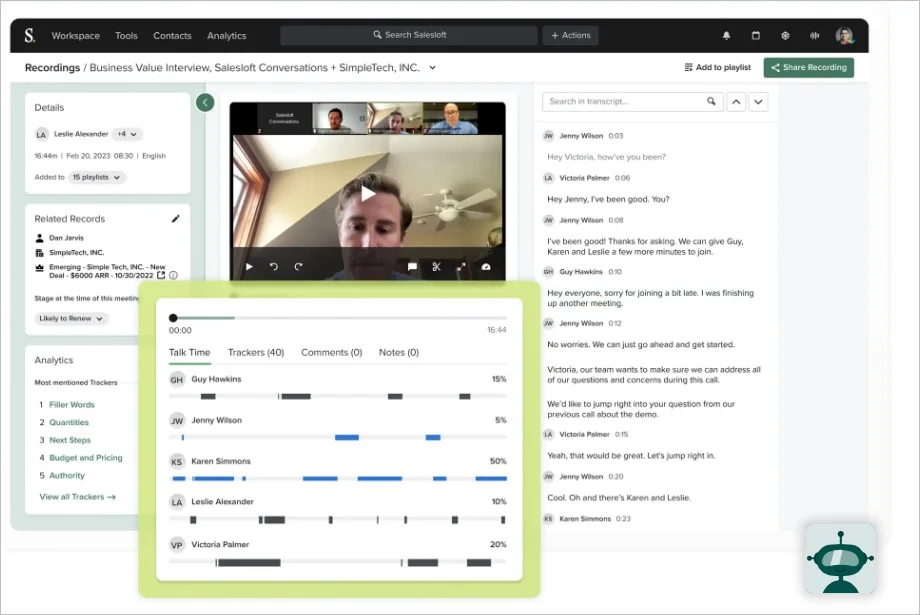
Drift is a conversational marketing and sales platform that helps businesses connect with customers in real-time interaction. It includes features like live chat, meeting scheduling, and knowledge base integration for quick communication with sales teams and support agents.
Elevate your business success with real-time support
Real-time support is essential for your business success because it guarantees you will always assist users without delays.
Prioritizing immediate responses, your company can quickly address issues that enhance a positive experience and encourage users to return for more.
With BoldDesk, every customer interaction becomes an opportunity to create unforgettable moments of delight.
Schedule a live demo or book a 15-day free trial today and experience how BoldDesk can enrich your customer support strategy by providing features that enable instant resolution of customer inquiries.
Feel free to contact us if you have any questions.
We trust this article provided meaningful insights. If you have any recommendations for better real-time support, please share them in the comments below.
Related articles
- Chatbot vs Live Chat in 2025: Which is Best?
- How to Improve Customer Experience: 12 Techniques
- Customer Self-Service Portal: Tips, Benefits, and Examples
Frequently Asked Questions
Popular tools include live chat software, in-app messaging, video support, and AI agents that provide instant responses and seamless communication.