

 In this page

Most companies burn through budgets chasing broad audiences, hoping their marketing strategy succeeds, while the ideal customers quietly slip through the cracks.
But what if you could stop guessing and start seeing your customers clearly, not as one faceless crowd, but as unique groups with specific customer expectations, behaviors, and value?
Customer segmentation flips the script. It replaces costly trial-and-error with precision, where businesses divide their different types of customers into meaningful segments based on real data.
In this guide, we’ll cover customer segmentation, why it matters, the types, and how to do it effectively.
What is customer segmentation?
Customer segmentation is the practice of dividing customers into different groups based on shared characteristics, such as demographics, behavior, or needs.
It breaks down customers into smaller, clearer groups that are easier to understand and connect with.
By learning each customer segment deeply, businesses can spot useful patterns, trends, and preferences, making it easier to provide personalized support and marketing.
This customer profiling results in more positive customer experiences that boost conversions, deepen loyalty, and ultimately drive long-term business growth.
Customer segmentation vs. market segmentation: What’s the difference?
Customer segmentation and market segmentation are often used interchangeably; however, the difference lies in their scope and application.
- Customer segmentation focuses on dividing your existing customer base into groups based on common characteristics.
- Market segmentation is the process of dividing a broad consumer or target market into sub-groups based on shared characteristics.
Example
A pizza shop uses customer segmentation to group its existing buyers, like regular Friday customers, so it can send each group the right deals. It uses market segmentation when it wants to attract new buyers, like college students nearby, and creates offers just for them.
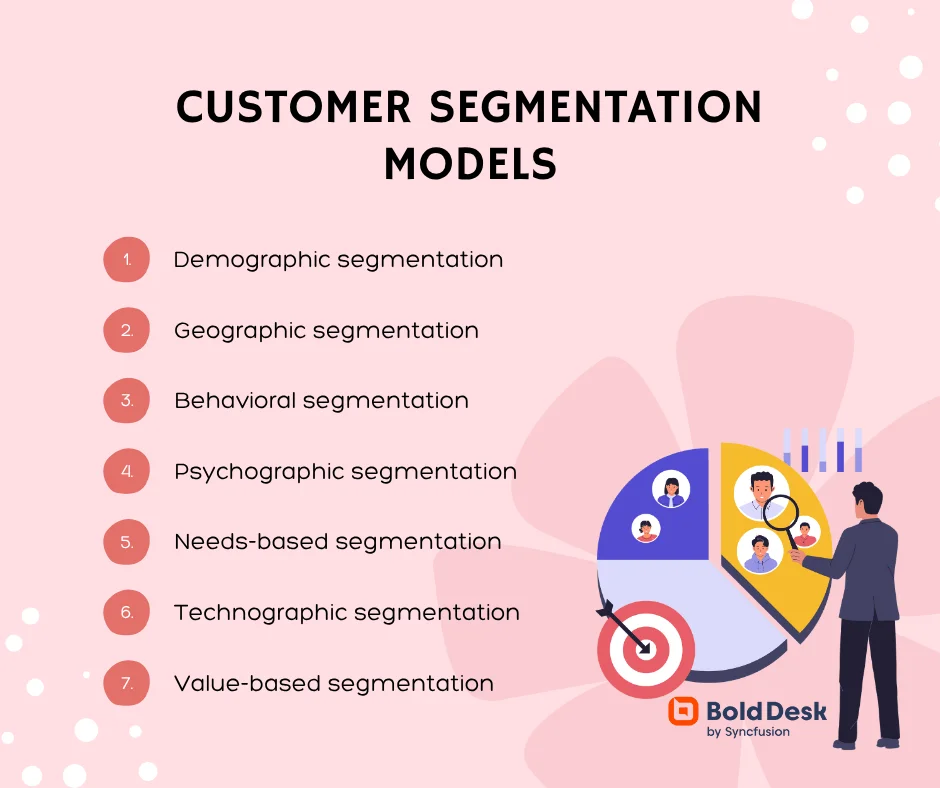
7 Common types of customer segmentation
Customer segmentation strategy depends on the type of customer data. With the right data, you can uncover patterns in behavior and preferences that make it easier to craft customer experiences that truly resonate.
But first, let’s look at the main customer segmentation models to consider:
Demographic segmentation
Let’s face it, you wouldn’t target the same ad to teenagers, working parents, and retired athletes?
That’s where demographic segmentation comes in. It helps you categorize customers by personal characteristics like:
- Age
- Gender
- Income
- Education
- Occupation
- Family status
Real-life example
McDonald’s Happy Meal campaign is a strategic example of demographic segmentation, designed specifically for children and families.
By including kid-friendly food with themed toys and targeting parents through value and convenience, it drives repeat purchases and brand loyalty.
Geographic segmentation
Think about it: someone in the US shops differently than someone in Brazil, and it’s not just about the weather!
Different geographic factors shape what customers need and how they connect with brands. Meaning, if you want to connect with your customers effectively, meet them where they are literally.
This includes focusing on factors such as:
- Location
- Language
- Climate and seasons
- Culture
- Population density
- Time zones
Real-life example
Coca-Cola adapts its product offerings to suit local tastes, such as introducing Green Tea Coke in Japan and promoting Maaza, a mango-flavored drink, in India.
This localization strategy helps Coca-Cola remain relevant and appealing across diverse global markets.
Needs-based segmentation
When you know why someone buys a product or prefers a service, you can offer exactly what they want. It then makes your brand the perfect fit for such customers.
For this reason, needs-based segmentation groups customers by the problems they’re trying to solve or the benefits they want most.
Real-life example
Procter & Gamble is a global consumer goods company offering products across beauty, health, and home care.
It uses needs-based segmentation by tailoring brands to specific consumer needs, for instance, Head & Shoulders for dandruff protection and Pantene for hair nourishment.
Behavioral segmentation
Customers don’t just say what they like, they also show it through what they do. That’s why behavioral segmentation is based on real customer behavior, not assumptions.
As such, it has become a gold standard for e-commerce and most digital platforms. These actions include:
- Purchasing behavior
- Usage patterns
- Brand interactions
- Customer lifecycle stages
- Decision-making processes
Tip: Use sentiment analysis to understand customer emotions and combine those insights with behavioral and contextual data to create experiences that feel timely, relevant, and deeply personal.
Real-life example
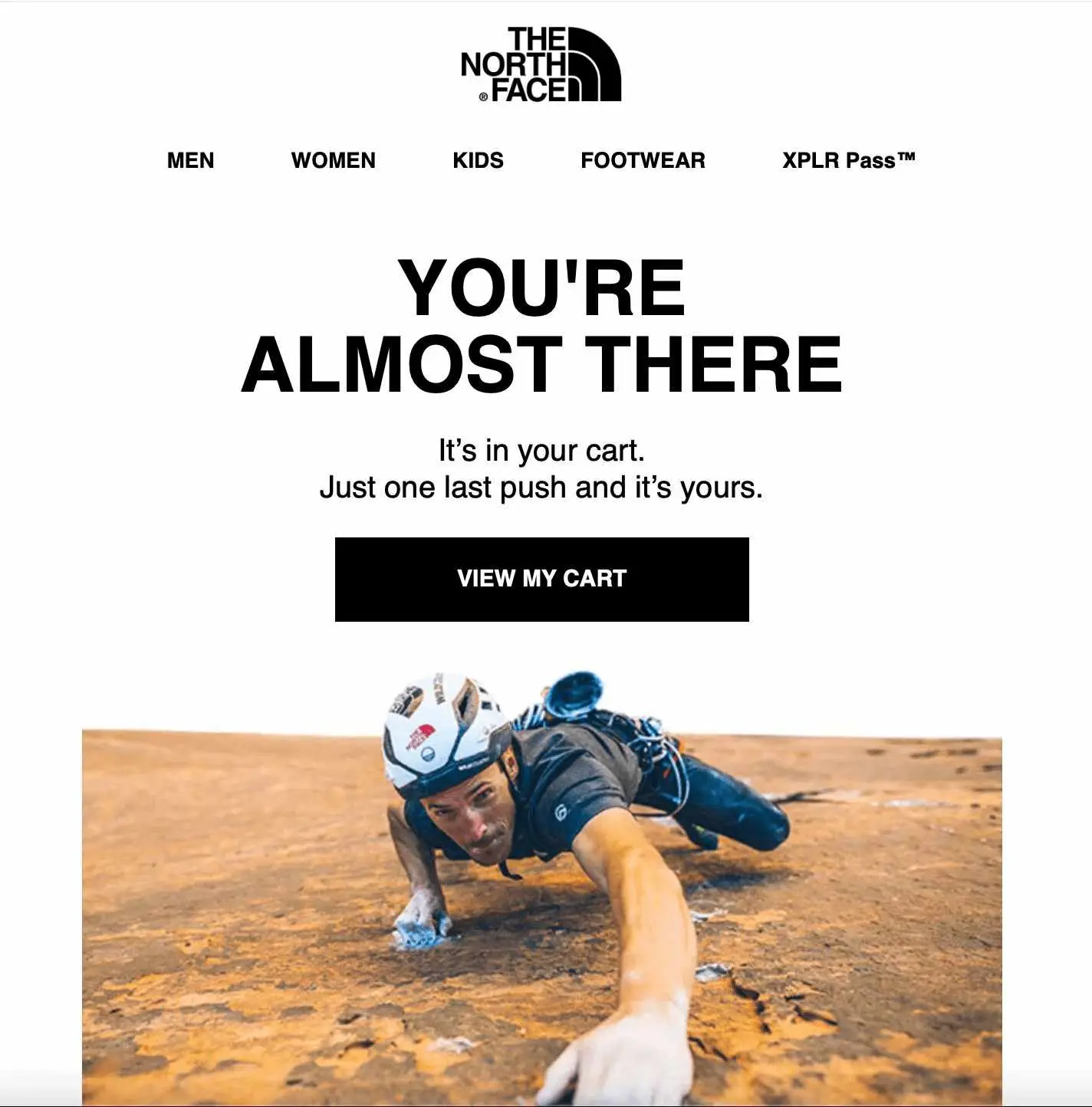
The North Face, a clothing and apparel retailer, uses behavioral segmentation to retarget shoppers who abandon their carts.
They send personalized emails with incentives like free shipping or discounts to encourage purchase completion. This strategy effectively turns browsing behavior into recovered sales.
Psychographic segmentation
Customers aren’t just choosing products or services; they’re choosing better versions of themselves.
Psychographic segmentation helps you tap into that deeper motivation by exploring the emotional connection behind every purchase.
This includes the customer’s:
- Values
- Interests and activities
- Opinions
- Lifestyle choices
- Social statuses
- Attitudes
Real-life example
“Don’t Buy This Jacket” campaign is a clear example of how Patagonia uses psychographic segmentation to connect with eco-conscious consumers.
By promoting sustainability over sales, the brand aligns with customers motivated by environmental responsibility and mindful living.
Technographic segmentation
This user segmentation approach looks at how customers use technology in terms of what they love, what they avoid, and how fast they adapt.
Preferred mostly by SaaS and tech-driven businesses, technographic segmentation is a smart way to personalize your product, support, and sales, thus delivering the right experience to the right people.
Real-life example
Apple segments creative professionals by their use of tools like Final Cut Pro and Adobe Creative Suite, then provides tailored support, training, and device care.
This ensures expert, workflow-specific assistance that boosts satisfaction and long-term loyalty.
Value-based segmentation
Classifies customers according to the economic value they bring to a business by tracking metrics such as customer lifetime value.
This approach helps you allocate resources effectively by focusing more attention on high-value customers while maintaining cost-effective strategies for lower-value segments.
Typical value-based segments include:
- High-value customers who have a customer lifetime value that covers approximately 40% of total business revenue.
- Medium-value customers show a growth potential, and their lifetime value is approximately 25% of total business revenue.
- Low-value customers whose lifetime value is below 5% of business revenue.
Real-life example
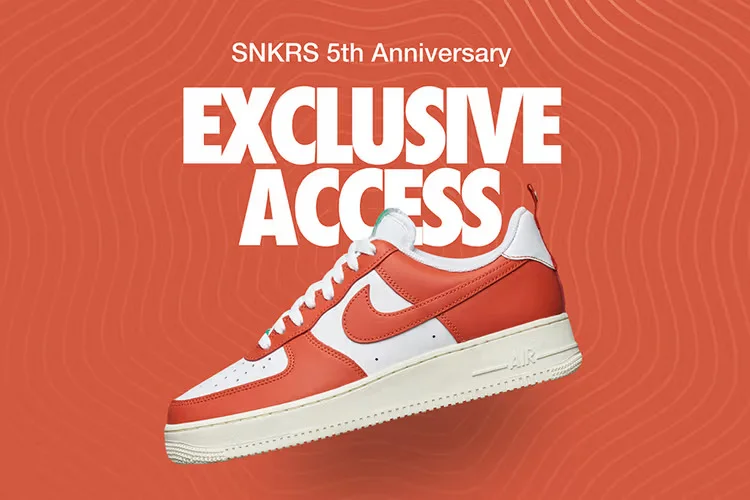
Nike’s SNKRS ‘Exclusive Access’ campaign uses value-based segmentation to reward high-value customers with early access to limited-edition releases.
Eligibility is based on purchase history and app engagement, encouraging loyalty and boosting customer lifetime value.
Why is customer segmentation important?
To understand the value of customer segmentation, let’s start with the basics: why should you segment your customers?
- Competitive advantage: In competitive markets, businesses that segment effectively can easily identify and serve niche groups, thereby meeting customer expectations more precisely and increasing brand loyalty.
- Improved retention and revenue growth: Segmenting customers strategically enables businesses to prioritize loyal, high-value customers who are more cost-effective to retain and likely to promote the brand, ultimately driving sustained revenue growth and profitability.
- Enhanced customer personalization strategies: Segmentation empowers businesses, especially SaaS, to tailor their product to each user group, making every update feel relevant and hard to ignore. This is because users trust that their needs are always prioritized.
- Optimized resource allocation: Customer segmentation helps businesses prioritize time and budget on the most profitable or strategically important customer groups, reducing wastage of resources.
How to create an effective customer segmentation strategy
Conducting customer segmentation analysis might seem complex, but with a clear plan, it can be achieved easily.
Here’s how you can build a customer segmentation strategy right:
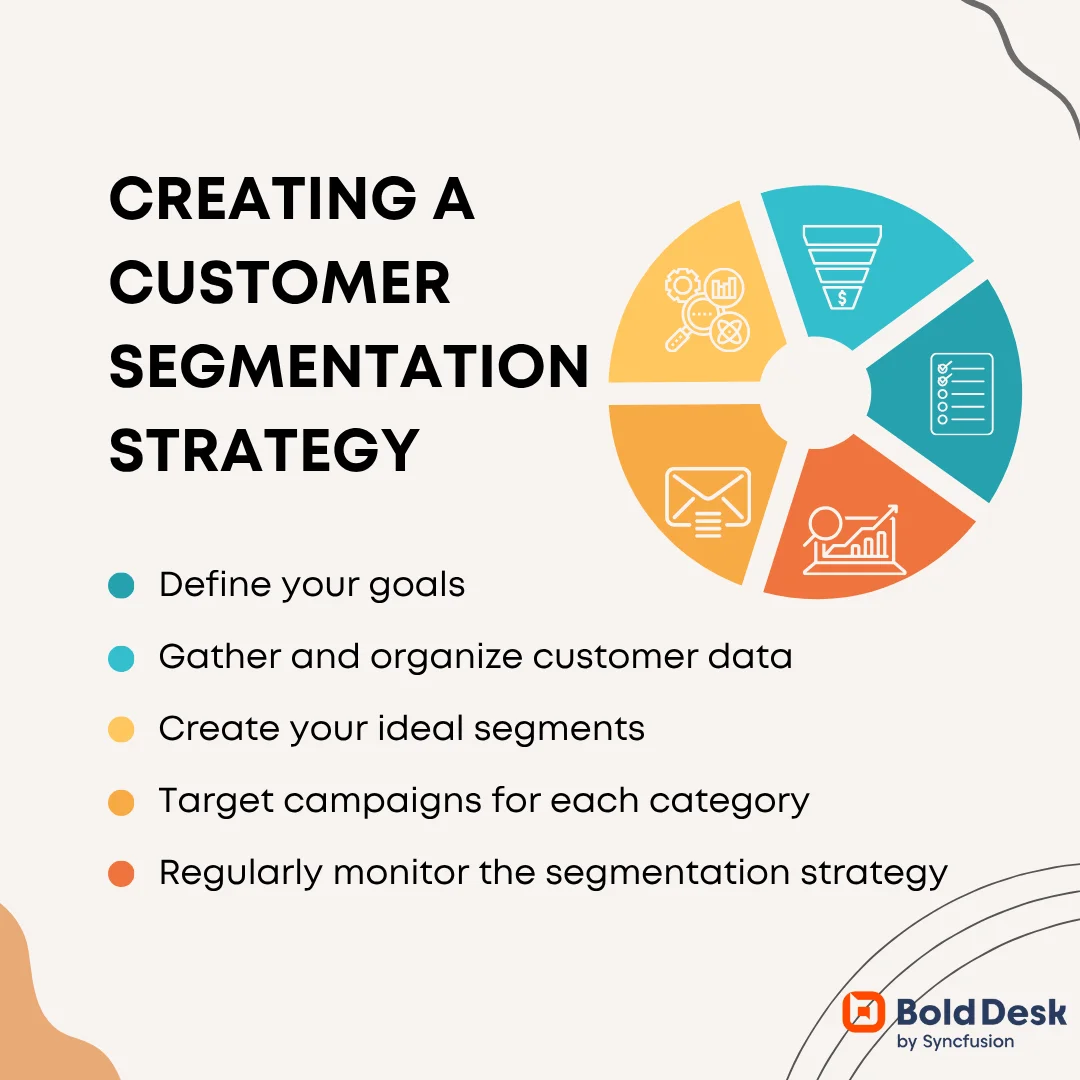
Define strategic customer segmentation goals for success
Start by figuring out what you want customer segmentation to achieve for both your business and your customers.
With that in mind, use market research to identify patterns like how often people buy your product or service, then build user personas that help set clear, measurable goals.
Gather and organize customer data
A strong customer segmentation strategy starts with collecting data from multiple sources, such as contact management, surveys, and customer feedback software.
Additionally, modern customer service software offers features like custom fields, tags, and categories to structure this data and apply AI to streamline the organization.
Create your ideal customer segments
Think of segmentation like sorting puzzle pieces; you want each group to fit your business goals and make sense on its own.
Use data like location, income, or product habits to define these segments, and be realistic about how many you can manage and what resources you’ll need.
The goal is to build segments that are clear, useful, and big enough to make a real difference.
Target campaigns for each category
To stay relevant in a market that demands personalization, start by developing detailed customer personas that define who you’re targeting within each segment.
Then create personalized marketing plans and customer service experiences tailored to each group’s unique needs using messaging, offers, and products that feel authentic and engaging.
Continuously monitor your segmentation strategy
Your segmentation strategy isn’t something you set and forget; it needs regular check-ins.
As your customers and market evolve, keep tracking performance and listening to feedback so you can adjust and stay ahead.
Deliver impactful service with customer segmentation
Customer segmentation analysis is a business strategy that helps you understand your audience, personalize your approach, and drive conversions.
Start small, pick one segmentation type, test it, learn, then scale. When you deeply understand your customers, you serve them better, and that’s how businesses grow.
As a trusted solution, BoldDesk enables targeted customer engagement by segmenting users using custom fields, tags, and categories. Its intuitive, real-time reporting and analytics dashboards provide instant insights into each customer segment.
Combined with AI-driven recommendations, teams can identify trends, prioritize effectively, and deliver more impactful service.
Contact support for more information on BoldDesk, and please let us know what you think about this in the comments section below.
Related articles
- How to Analyze Survey Data in Customer Service
- Customer Connection: 10 Best Ways to Create It
- What is Customer Intelligence? Benefits and Best Practices
Frequently Asked Questions
Customer segmentation helps businesses divide their customer base into distinct groups based on shared characteristics. This allows for more personalized marketing, improved customer experience, and better allocation of resources.
There are several tools and platforms that help businesses segment their customers effectively, including:
- CRM or customer service software like BoldDesk
- Reporting and analytics platforms like Bold BI, Matlab, Bold Reports, etc.
- Marketing automation tools like Mailchimp or ActiveCampaign
Lacking a clear segmentation strategy. Jumping into segmentation without defined goals, relevant data, or a plan for how to use the segments can lead to confusion and wasted effort. A well-thought-out strategy ensures that segmentation aligns with business objectives and delivers actionable insights.