

 In this page

Imagine walking into a store where you’re greeted by name, offered exactly what you need, and made to feel genuinely valued. That’s the essence of a customer-centric mindset.
Today’s customers expect more than just products; they want seamless, personalized experiences. Businesses that deliver on this build trust, loyalty, and lasting growth.
In this blog, we’ll explore how top brands create customer-obsessed cultures, and how you can do the same by asking one key question: What does my customer truly need, and how can I deliver it before they ask?
What is customer experience?
Customer experience is the overall perception customers have of your brand based on every interaction, from browsing your website to receiving post-purchase support, across all touchpoints.
It reflects how helpful, seamless, and enjoyable the customer interactions feel.
Great customer experience is consistent, personalized, and aligned with your brand’s values. When done right, it builds trust, encourages repeat business, and turns the customers into loyal advocates.
What makes a good customer experience?
A great customer experience goes beyond problem-solving, it’s about delivering a seamless, positive, and memorable journey that makes customers feel truly valued.
Below are the essential qualities that define an exceptional experience:
- Simplicity: Customers value ease at every step. A smooth, intuitive process reduces friction and makes interactions effortless, boosting overall satisfaction.
- Emotional connection: Empathy and genuine care create trust. When customers feel understood and respected, they form lasting emotional bonds with your brand.
- Consistency: Consistency across channels builds confidence. Delivering the same quality and tone everywhere ensures customers know what to expect every time.
- Transparency: Honest communication fosters trust. Clear pricing, policies, and proactive updates during issues show reliability and strengthen customer relationships.
- Proactive support: Anticipating needs prevents frustration. Offering solutions before problems arise demonstrates attentiveness and creates a stress-free, positive experience for customers.
- Responsiveness: Quick, accurate responses matter. Timely support signals respect for customers’ time and reinforces confidence in your brand’s reliability and care.
- Continuous improvement: Listening and adapting show commitment. Acting on feedback and sharing improvements builds trust and keeps experiences aligned with evolving expectations.
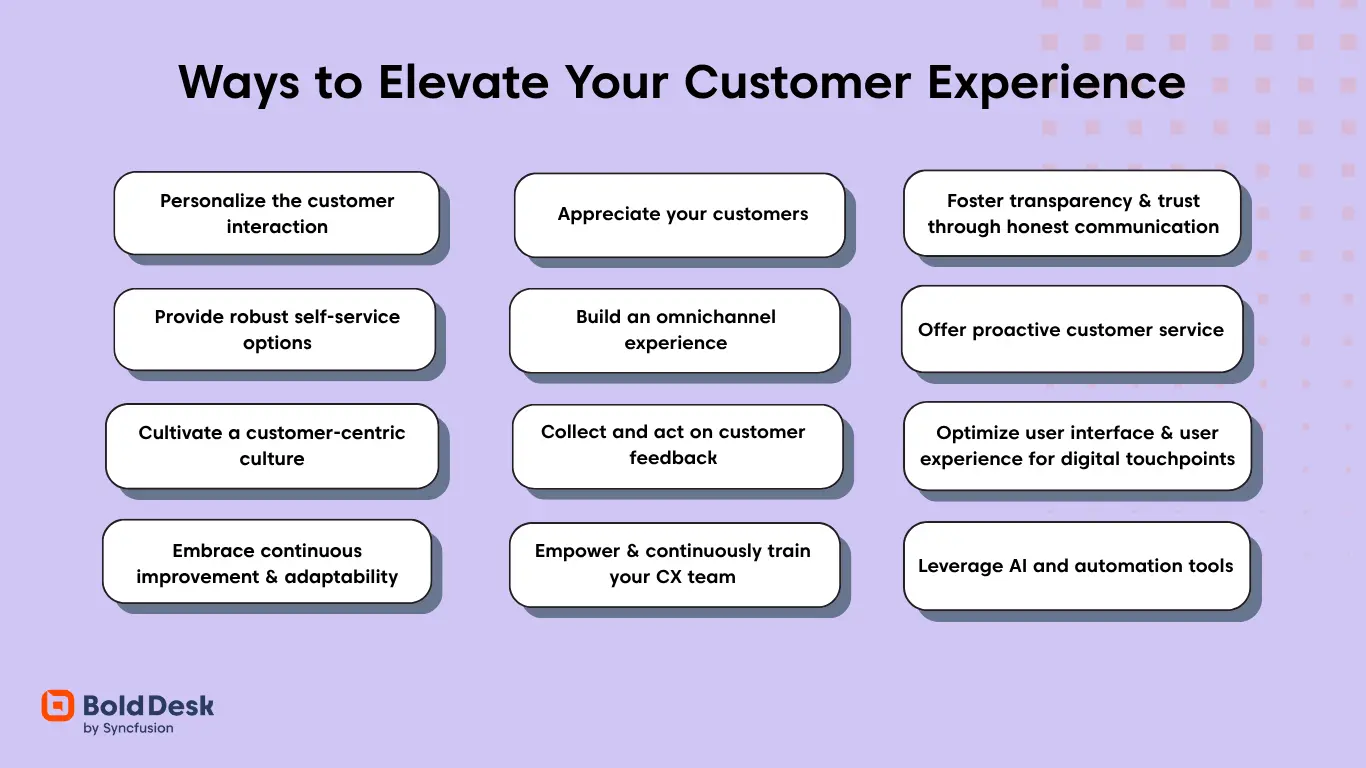
12 Effective tips to improve your customer experience
Enhancing customer experience starts with putting the client at the heart of your business strategy. Every decision, from product design to support, should reflect their needs and expectations.
Use the following approaches to strengthen your customer experience strategy:
Personalize every customer interaction
Generic experiences are outdated. Today, personalization means using data, such as purchase history, browsing behavior, and past support interactions, to deliver tailored recommendations, relevant content, and exclusive offers.
Salesforce reports that 59% of consumers consider personalized engagement, especially interactions that reflect their past experiences, important when deciding where to do business.
This bespoke approach fosters deeper satisfaction and loyalty because customers feel understood and valued.
Provide robust self-service options
Modern customers expect instant answers and control. By offering intuitive customer self-service tools, you reduce reliance on support agents and create a seamless experience that saves time and builds trust.
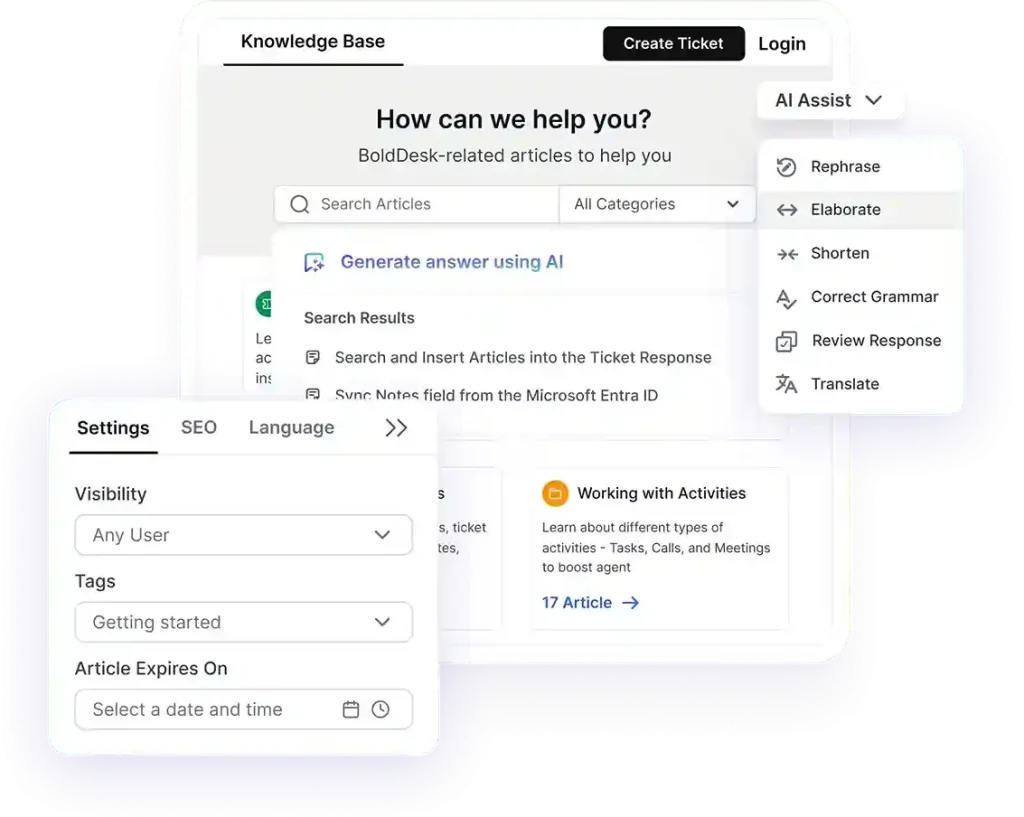
Here’s how you can make it happen:
- Comprehensive knowledge bases and intuitive customer portals.
- Active community forums ensure 24/7 customer service availability.
- Integrating AI-agent further streamlines access to information.
Cultivate a customer-centric culture
CX excellence starts with culture. A customer-first mindset ensures every decision and interaction aligns with exceeding customer expectations.
Embedding this approach early empowers employees, drives improvements through feedback, and promotes cross-functional collaboration for a unified experience.
Embrace continuous improvement and adaptability
Customer expectations evolve constantly. Treat CX as a moving target by:
- Collecting feedback regularly
- Analyzing customer data for trends
- Innovating offerings and refining processes
This proactive customer service approach creates agility, enabling you to meet shifting demands and deliver consistent value.
Appreciate your customers
Customers are the lifeblood of your business. Express gratitude through personalized thank-you notes, welcome emails, and loyalty rewards.
Acknowledge their patience during issues and follow up when feedback leads to improvements. Training agents in empathy and polite communication reinforces customer value in every interaction.
Build an omnichannel experience
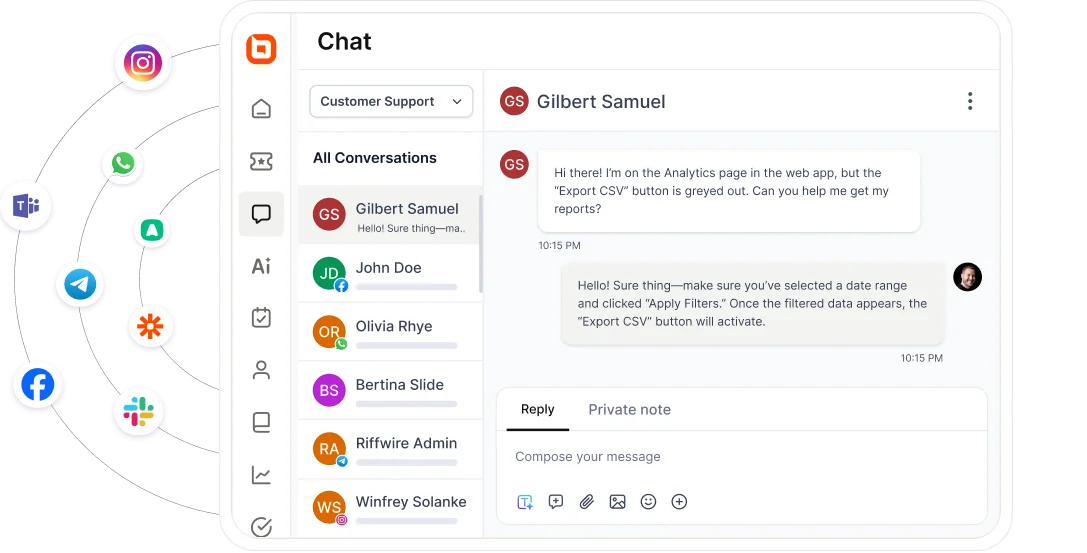
Customers expect consistency across platforms. An omnichannel strategy ensures a unified, context-aware journey, whether via app, live chat, website, or phone.
Access to customer history prevents repetition and builds trust. Tools like Bolddesk’s omnichannel-inbox consolidate interactions for a smooth experience.
Collect and act on customer feedback
Understanding your audience starts with effective customer feedback collection through NPS, CSAT, CES surveys, in-app widgets, social listening, and interviews.
But the real impact comes from action:
- Analyze data for patterns and pain points
- Implement meaningful changes
- Close the loop by informing customers when their input drives improvements
This full-circle approach builds trust and deepens engagement.
Empower and continuously train your CX team
Your employees shape customer perceptions. To boost agent productivity, provide customer service training in product knowledge and essential soft skills, such as empathy and communication.
Training should be ongoing to keep teams adaptable and confident. When employees feel supported, they deliver positive experiences that strengthen both employee experience (EX) and customer experience (CX).
Foster transparency and trust through honest communication
Trust grows through clarity. Be upfront about products, pricing, and policies.
When issues arise, avoid vague responses or deflecting responsibility.
Instead, respond openly, apologize sincerely, and explain corrective steps. This transparency builds long-term loyalty.
Offer proactive customer service
Proactive customer service means addressing customer pain points before they turn into problems. Instead of waiting for complaints, anticipate needs and offer help early. For example:
- Send alerts for delays before customers ask
- Share helpful resources based on common questions
- Monitor product usage to offer timely solutions
Proactive service reduces complaints, lowers support volume, and creates a stress-free experience.
Optimize user interface and user experience for digital touchpoints
In a digital-first world, intuitive design matters. Ensure websites, apps, and portals are fast, easy to navigate, and user-focused.
Strong UI simplifies navigation, while great UX ensures quick load times, clear CTAs, and smooth workflows, reducing friction, avoiding bad customer service moments and boosting satisfaction.
Leverage AI and automation tools
Artificial intelligence (AI) and automation are transforming customer experience by delivering faster, more personalized, and more efficient support. This transformation happens in several ways:
- AI-agents offer instant, 24/7 help for common questions
- Smart automated help desk handles repetitive tasks like order updates or refunds, reducing errors and saving time
- AI-driven insights help identify customer pain points and offer tailored solutions before issues arise
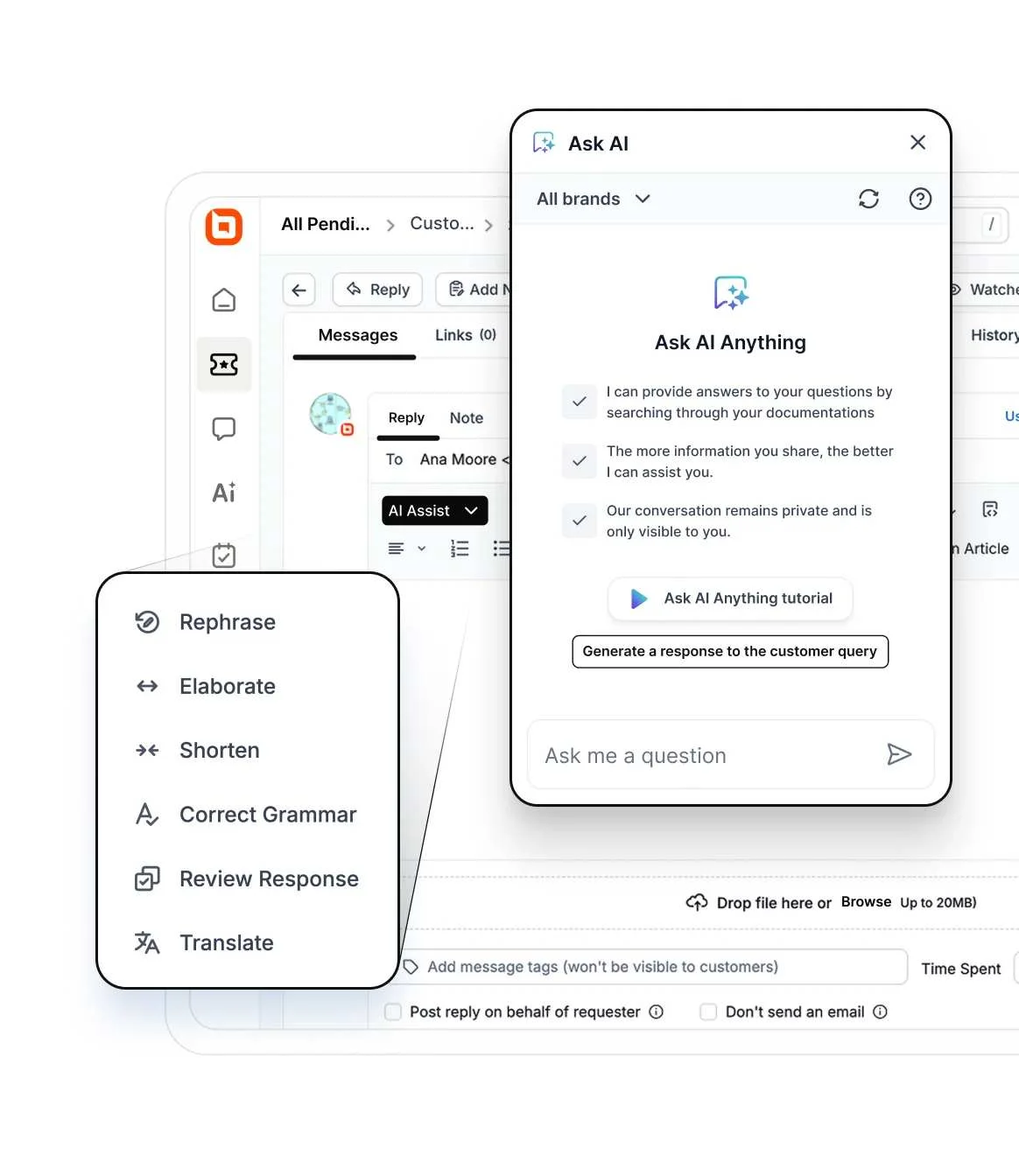
These tools free agents for meaningful interactions, reduce errors, and create a seamless experience that builds trust.
Benefits of prioritizing customer experience
A good customer service experience is important for the following reasons.
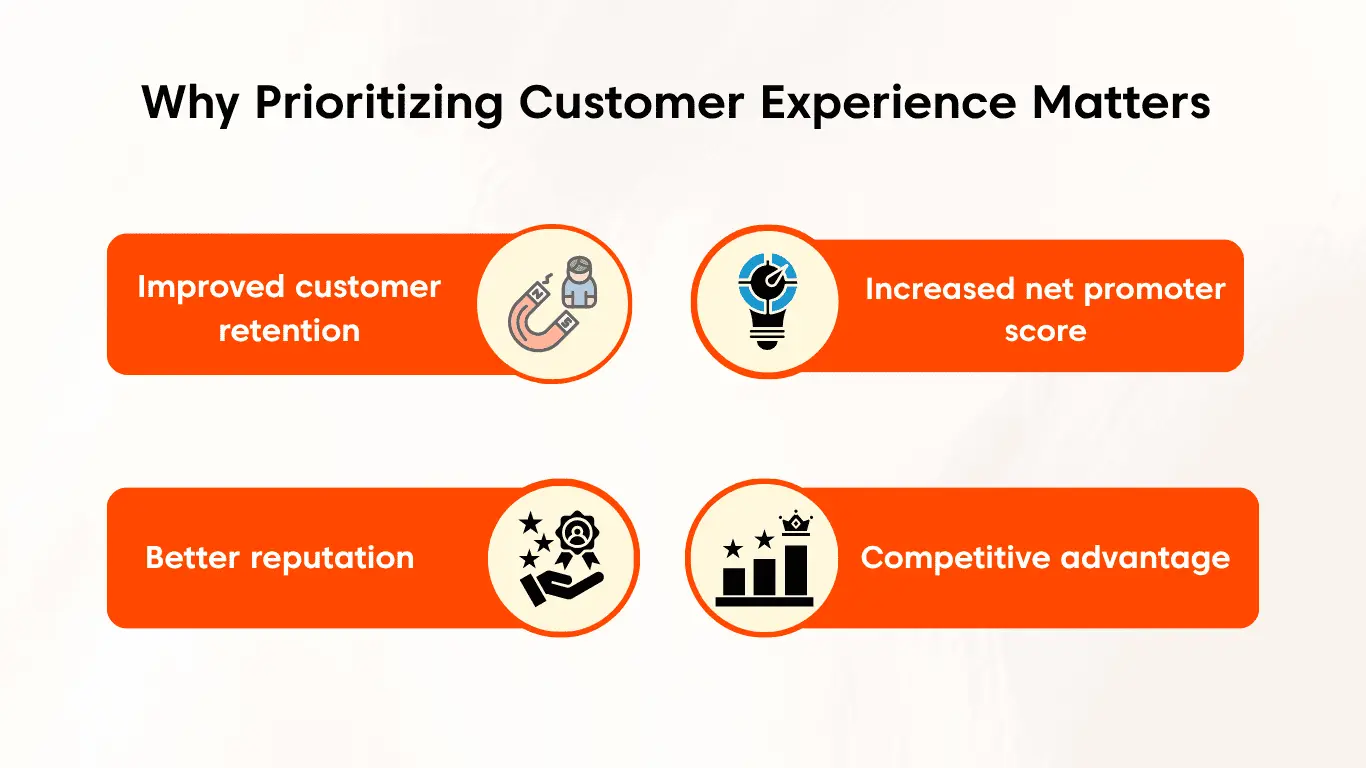
Improved customer retention
Customers who are satisfied with their experiences are more likely to remain loyal to a company or brand and continue to do business with them. This, in turn, leads to a rise in revenue and profits for the company.
Increased net promoter score
Prioritizing your customers’ satisfaction helps to build a better brand reputation.
When clients have a positive experience with a brand, they are more likely to recommend it to others, creating a positive outcome of free promotion and new customers.
Better reputation
By increasing brand loyalty among your customers, you are also gaining free promotion in the way of reviews.
When researching products to meet their needs, people rely heavily on reviews from other customers. Making your customer journey a great one will result in great reviews.
Ensure your products and services are listed on third-party platforms where customers can leave reviews potential customers will trust. Your company’s reputation will ride on these positive reviews.
Competitive advantage
Overall, focusing on clients’ experiences allows businesses to stand out from their competitors.
Create a uniquely excellent customer service experience, and customers will remember and return for it.
By focusing on the customer journey, companies can gain insight into customer needs and preferences that can be used to develop new goods and services that better appeal to customers.
This way, firms can stay ahead of their competitors and increase their profits.
Examples of good customer service experiences
Great customer service leaves a lasting impression and builds trust with customers.
In this section, we’ll explore real-life examples that show how thoughtful, timely support can turn everyday interactions into memorable moments.
These stories highlight what good service looks like, and why it matters.
Starbucks: Convenience meets personalization
Starbucks crafts a positive customer experience by blending a friendly atmosphere with convenience.

They prioritize convenience with mobile ordering and drive-throughs while offering comfortable spaces to relax or work.
By combining friendly service, customization, and efficiency, Starbucks creates a customer experience that keeps clients coming back for more.
Southwest Airlines: Hassle-free travel
Known for its customer-friendly policies, like free checked bags and no change fees, Southwest Airlines creates a positive experience with less hassle and a commitment to on-time flights.

Ritz-Carlton: Empowered service excellence
Ritz-Carlton, the luxury hotel chain, is famous for its “empowerment” policy, where employees can spend up to $2,000 to resolve customer issues without having to seek an approval from a manager.
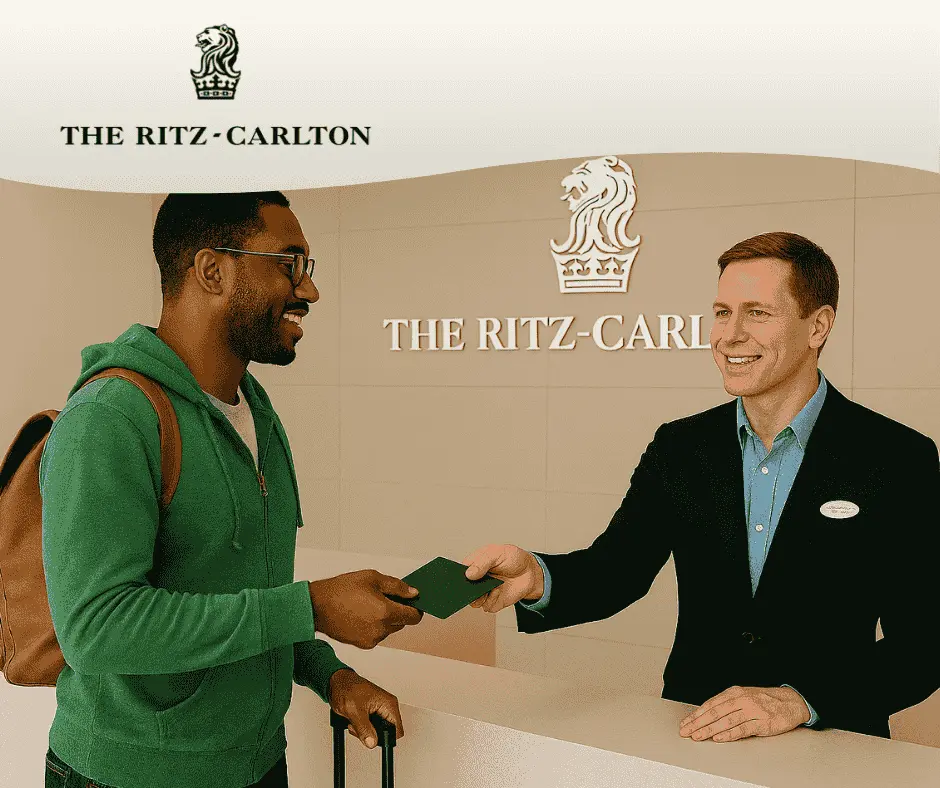
This allows staff to address problems quickly and generously, leaving a positive impression on guests.
Warby Parker: Digital ease with human touch
Warby Parker excels at customer experience by blending convenience and human touch.
The eyewear company’s innovative Home Try-On program lets you pick glasses online and try them on at home, while their stores offer friendly staff and access to your online order history.

This focus on both digital ease and personalized interactions, along with their mission-driven approach, creates a shopping experience that feels frictionless.
Disney: Immersive, magical experiences
Disney excels at customer experience by creating a seamless and immersive world.

From highly trained cast members focused on guest happiness to detailed park upkeep, Disney strives to exceed expectations.
They leverage technology for convenience, prioritize emotional connections with characters and stories, and actively seek guest feedback to refine the magical experience.
What causes a bad customer experience?
While great customer service builds trust and loyalty, poor experiences can quickly damage a brand’s reputation.
These kind of customer experiences often arise from issues like unclear communication, lack of empathy, and ineffective problem resolution. Below are some common causes of customer frustration and lost trust:
- Lack of transparency: When customers don’t receive clear, timely information, especially during problems, they feel confused and left in the dark. This erodes trust and creates unnecessary anxiety.
- Slow response times: Delayed replies make customers feel ignored, particularly when their concerns are urgent. Without proactive updates, frustration escalates quickly.
- No empathy or ownership: Failing to acknowledge inconvenience or offer a sincere apology signals indifference. Customers feel undervalued and unheard.
- Poor communication: Generic or robotic responses that don’t address the actual issue leave customers dissatisfied. Clear, human-centered communication is essential for resolution.
- No resolution or follow-up: Leaving issues unresolved or neglecting follow-up shows that customer satisfaction isn’t a priority. This often results in negative reviews and lost loyalty.
Elevate your customer experience with BoldDesk
Customer experience plays a key role in building strong relationships, boosting loyalty, and helping businesses grow.
With tools like BoldDesk, companies can simplify their support processes and offer fast, personalized service, making every customer feel heard and valued.
When businesses focus on delivering great experiences, they turn happy customers into loyal fans and stand out in a crowded market.
How does your team approach customer experience? What tools or strategies have worked best for you?
Share your thoughts in the comments below, we’re excited to learn from your experiences!
Related articles
- Customer Experience Analytics: Important KPIs and Use Cases
- Top 10 Customer Experience Metrics & KPIs to Measure Success
- 7 Best Ways to Utilize AI for Customer Experience
Frequently Asked Questions
Customer service focuses on interactions during support or assistance, while customer experience covers the entire customer journey, from discovery to post-purchase. A great CX strategy ensures every touchpoint feels seamless and personalized, not just the service moments.
Customer satisfaction indicates how effectively your brand meets or exceeds expectations. Higher satisfaction levels foster a better client experience because satisfied customers are more likely to remain loyal, recommend your brand, and engage positively throughout their journey.
Automation can speed up responses and reduce repetitive tasks, but balance is key. Use chatbots for FAQs and quick resolutions, while ensuring human agents handle complex issues. This approach maintains efficiency without compromising personalized client experience.
Monitor Customer Satisfaction (CSAT), Net Promoter Score (NPS), and Customer Effort Score (CES). Combine these with insights from the customer journey, such as repeat purchases and resolution times, to get a full picture of your customer service experience and overall client experience.