




TL;DR: Discover 37 SaaS examples across customer service, CRM, ecommerce, analytics, collaboration, and additional categories. The breakdown helps teams evaluate features and pricing efficiently, allowing decision makers and managers to navigate the growing SaaS ecosystem and identify how each tool type aligns with modern business operations.
The modern business landscape is dominated by Software as a Service (SaaS). By delivering software applications over the internet, SaaS providers offer businesses a flexible, scalable, and cost-effective way to access the tools they need.
No longer burdened by the complexities of on-premise software, companies can focus on their core competencies while leveraging powerful cloud-based solutions.
We have compiled 37 SaaS examples in this guide to help you choose the best SaaS for your business.
What is Software as a Service (SaaS)?
Software as a Service (SaaS) is a mode of software distribution in which customers access a program online. The service provider or vendor maintains and constantly updates the program, eliminating the need for businesses to build the application from scratch.
Vendors usually host their SaaS apps in the cloud. This means that users access the software from anywhere on their mobile devices or desktops through a web browser or application. SaaS vendors allow customers to access and use the software for a subscription fee.
Because SaaS applications are hosted and maintained by the provider, businesses can adopt them faster, reduce IT overhead, and access ongoing updates without managing the software internally.
SaaS market growth: Recent trends and data
Most companies have embraced SaaS software because it is efficient, reliable, and easy to scale. This adoption has led to a rise in demand.
SaaS software plays a significant role in accelerating the growth of businesses across industries. As a result, SaaS adoption has increased among businesses worldwide.
According to Zylo’s 2025 SaaS Management Index, smaller companies with 1-500 employees spent an average of $11.5M on SaaS and used 152 apps, while large enterprises with 10,000+ employees spent an average of $284M and used 660 apps.
This growth is driven by businesses investing in technologies such as:
- Enterprise resource management applications
- CRMs
- Data analytics tools
- Web optimization tools
- Email tools
The global adoption of SaaS software varies across different countries, with significant concentrations in certain regions. Currently, there are over 30,800 SaaS companies worldwide. (Demandsage)
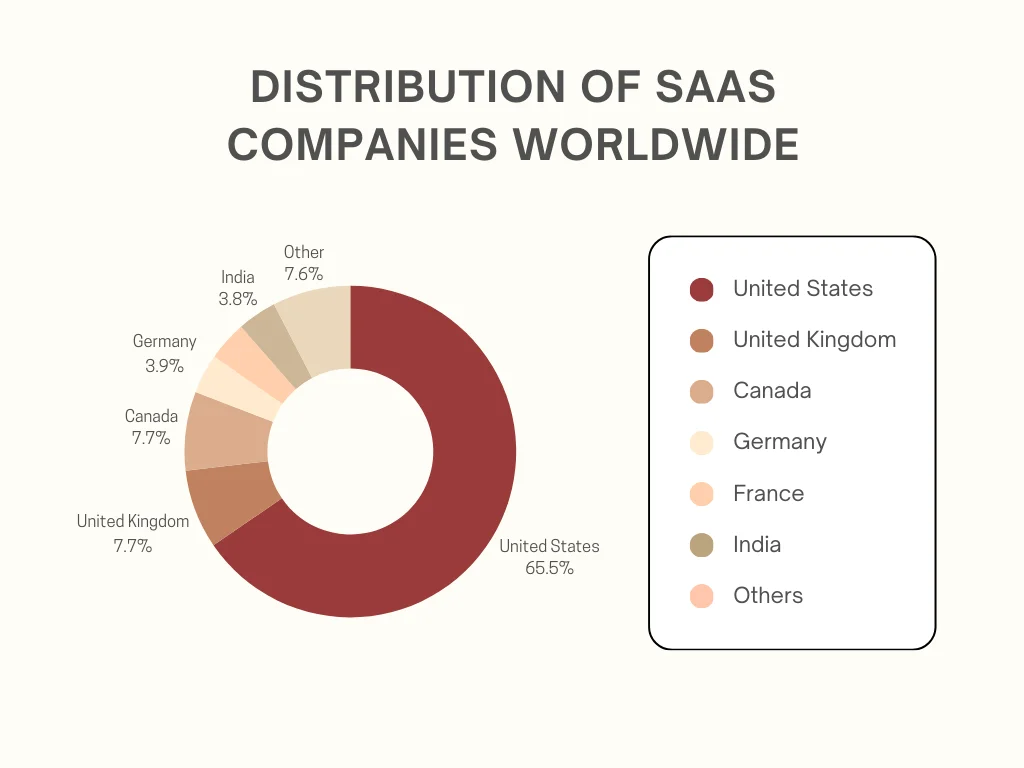
The global market size for SaaS was valued at USD 315.68 billion in 2025, according to Fortune Business Insights. This figure is expected to grow to an estimated USD 1,131.52 billion by 2032.
These statistics show that the SaaS industry is growing rapidly and is expected to maintain strong growth in the coming years.
Quick comparison of the best SaaS products in 2026
The table below compares popular SaaS products across multiple categories, including customer service, CRM, analytics, ecommerce, and collaboration.
The products featured were selected based on factors such as market adoption, brand recognition, feature breadth, business use case coverage, pricing accessibility, and industry relevance in 2026.
While the tools are grouped by category, they are not ranked from best to worst. Numbering is used only to make the list easier to navigate.
Disclosure: BoldDesk, Bold BI, Bold Reports, and BoldSign are products developed by Syncfusion. Their inclusion follows the same selection criteria applied to all other products featured in this list.
| Tool | Category | Starting price | Free trial | Best for | Key differentiator |
| BoldDesk | Customer service | $99/month (5 agents) | 15 days | SMB and mid-sized support teams | All features are included across plans with transparent pricing |
| Intercom | Customer service | $29/month | 14 days | Conversational customer support | AI-first customer messaging platform |
| Tidio | Customer service | $24.17/month | 7 days | Live chat and customer engagement | Combines live chat with AI chatbot automation |
| LiveAgent | Customer service | $15/month | 30 days | Multi-channel customer support | Large native channel coverage at an affordable price |
| Salesforce | CRM | $25/month | 30 days | Enterprise sales teams | Extensive CRM ecosystem and customizability |
| Zoho CRM | CRM | $4/month | 15 days | Budget-conscious businesses | Feature-rich CRM at a low entry cost |
| HubSpot | CRM | $9/month | 14 days | Growing businesses | Unified CRM, sales, and marketing platform |
| Stripe | Payment processing | Custom pricing | No | Online payments and billing | Developer-friendly payment infrastructure |
| PayPal | Payment processing | Custom pricing | No | Global digital payments | Widely recognized consumer payment network |
| Square | Payment processing | $49/month | No | Retail and ecommerce payments | Integrated payment and POS ecosystem |
| WooCommerce | Ecommerce | Contact sales | No | WordPress-based online stores | Deep integration with WordPress websites |
| Shopify | Ecommerce | $19/month | 3 days | Online stores | End-to-end ecommerce platform with app marketplace |
| BigCommerce | Ecommerce | $29/month | 15 days | Scaling ecommerce businesses | Strong enterprise ecommerce capabilities |
| Bold Reports | Reporting and analytics | Contact sales | 30 days | Operational and business reporting | Pixel-perfect embedded reporting capabilities |
| Tableau | Reporting and analytics | $35/month | 14 days | Data visualization | Advanced interactive data visualizations |
| Google Analytics | Reporting and analytics | Contact sales | No | Website and marketing analytics | Direct integration with Google ecosystem |
| Bold BI | Business intelligence | Contact sales | 30 days | Embedded analytics and dashboards | Self-service and embedded BI in a single platform |
| Heap | Business intelligence | Contact sales | 14 days | Product and user behavior analytics | Automatic user activity data capture |
| Kissmetrics | Business intelligence | $25.99/month | 7 days | Customer behavior analysis | Focus on customer journey and retention analytics |
| Microsoft Teams | Collaboration | $4/month | 30 days | Microsoft-centric organizations | Native Microsoft 365 integration |
| Slack | Collaboration | $4.38/month | Free plan available | Team communication | Channel-based collaboration and integrations |
| Dropbox | Collaboration | $9.99/month | 30 days | Cloud file sharing and storage | Simple and secure file sharing |
| Trello | Project management | $5/month | Free plan available | Small teams | Easy-to-use Kanban project boards |
| Asana | Project management | $10.99/month | Free plan available | Cross-functional project management | Advanced task and workflow management |
| ClickUp | Project management | $7/month | Contact ClickUp | Distributed and remote teams | Multiple project views in a single workspace |
| WordPress | Content management | $8/month | 7 days | Website publishing | Largest CMS ecosystem and plugin library |
| Canva | Content management | $15/month | 30 days | Visual content creation | User-friendly graphic design platform |
| Wix | Content management | $17/month | Free plan available | No-code website creation | Drag-and-drop website builder |
| Mailchimp | Marketing automation | $10/month | 30 days | Email marketing | Beginner-friendly email campaign automation |
| Klaviyo | Marketing automation | $45/month | Free version available | Ecommerce marketing | Advanced ecommerce customer segmentation |
| ActiveCampaign | Marketing automation | $15/month | 14 days | Marketing automation and lead nurturing | Powerful automation workflows |
| NetSuite | Inventory management | Contact sales | Contact sales | Enterprise inventory operations | Inventory management within a full ERP suite |
| QuickBooks | Inventory management | $19/month | 30 days | Inventory and accounting management | Combined accounting and inventory management |
| Fishbowl | Inventory management | Custom pricing | 14 days | Warehouse inventory tracking | Advanced inventory control for warehouses |
| BoldSign | E-signature | $5/month | 30 days | SMB document workflows | Cost-effective electronic signature solution |
| DocuSign | E-signature | $10/month | 30 days | Enterprise document signing | Industry-leading e-signature adoption |
| Nitro Sign | E-signature | $17.40/month | 14 days | Digital document approvals | Integrated PDF and e-signature workflows |
Top 37 software as a service examples to watch out for in 2026
The following are widely used SaaS products across multiple software categories, including their features, pricing, and the business needs they are best suited for.
Customer service SaaS examples
The goal of most businesses when purchasing software is to increase profits and attract more customers.
Customer service SaaS applications help businesses improve customer satisfaction, streamline support operations, and increase retention.
Below are a few examples of SaaS apps that brands can use to manage customer interactions and improve agent productivity.
1. BoldDesk
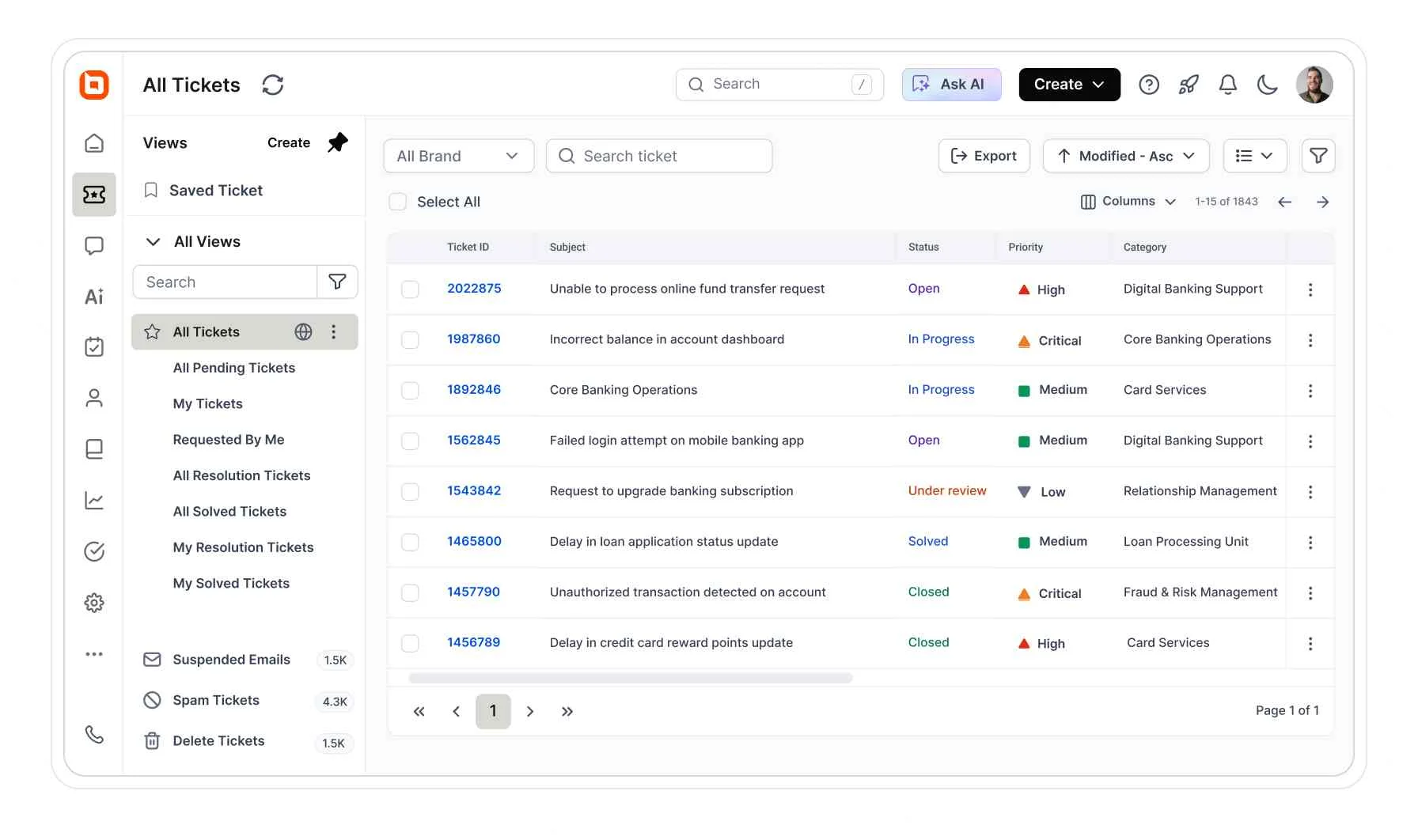
BoldDesk is a customer service software that enables businesses to manage customer support activities.
It is a help desk SaaS application designed for organizations looking to centralize customer communications and support workflows in a single system.
Key features
- Ticketing system
- Live chat software
- Automation and AI
Pros
- Easy to use, with an intuitive interface and straightforward setup.
- Responsive customer support and smooth integrations enhance productivity.
Cons
- Some users report a learning curve and missing advanced features, including remote monitoring and management capabilities.
Pricing
Pricing starts at $99/month for 5 agents.
Free trial: 15 days
To learn more, feel free to contact BoldDesk support for assistance. Book a live demo or sign up for a free trial today to experience its features.
2. Intercom
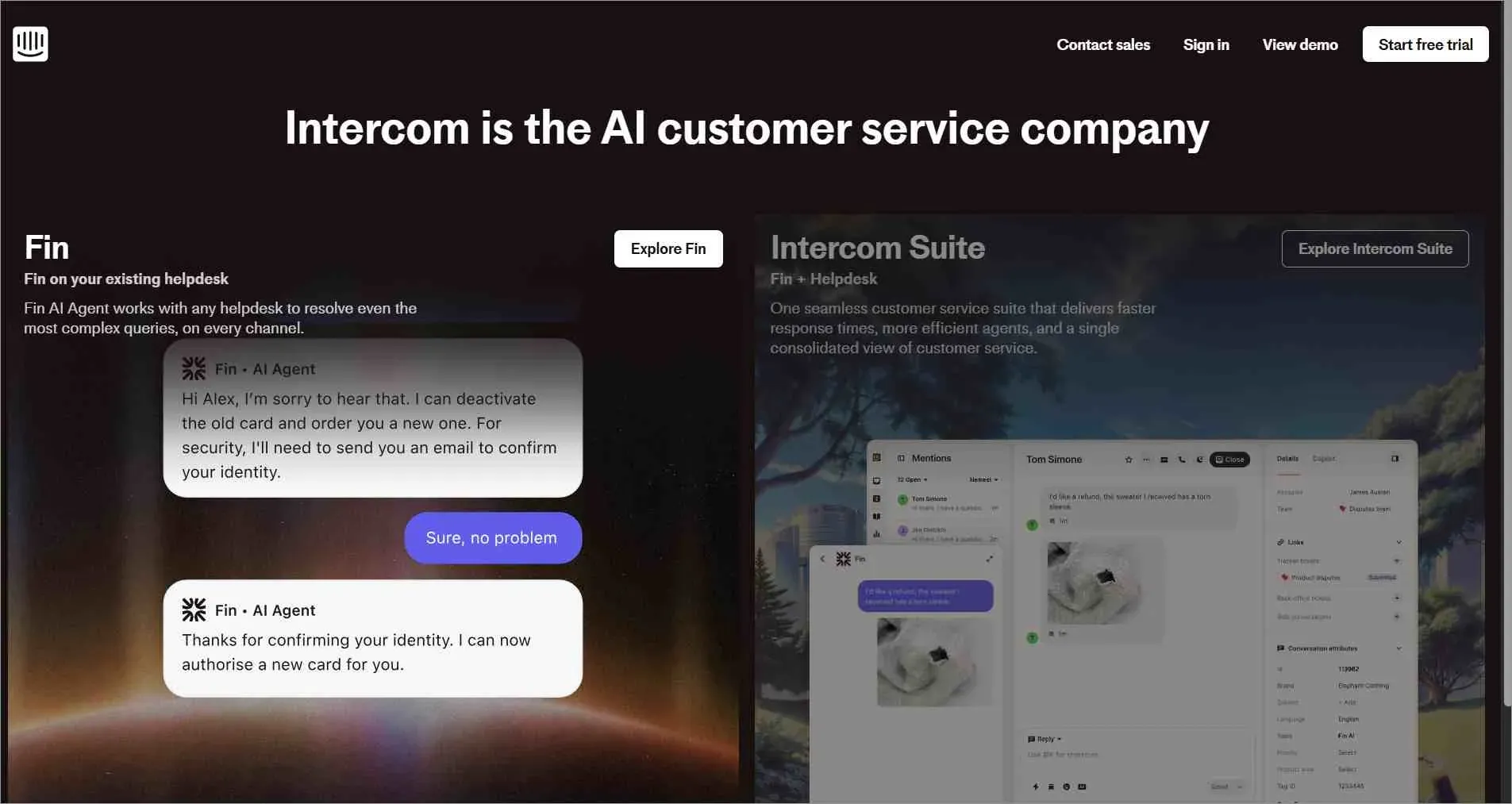
Intercom is one of the top SaaS examples in customer service. The SaaS software helps support agents provide instant responses to customers. Its range of integrations makes it ideal for businesses of all sizes to provide efficient customer support.
Key features
- Proactive support
- Side conversations
- Insights and reports
Pros
- Makes customer communication easier through live chat, messaging, and AI-powered support tools.
- Helps support teams respond faster with automation and knowledge-base-assisted answers.
Cons
- Some advanced AI workflows may require ongoing tuning and optimization.
Pricing
Starts at $29/month
Free trial: 14 days
3. Tidio
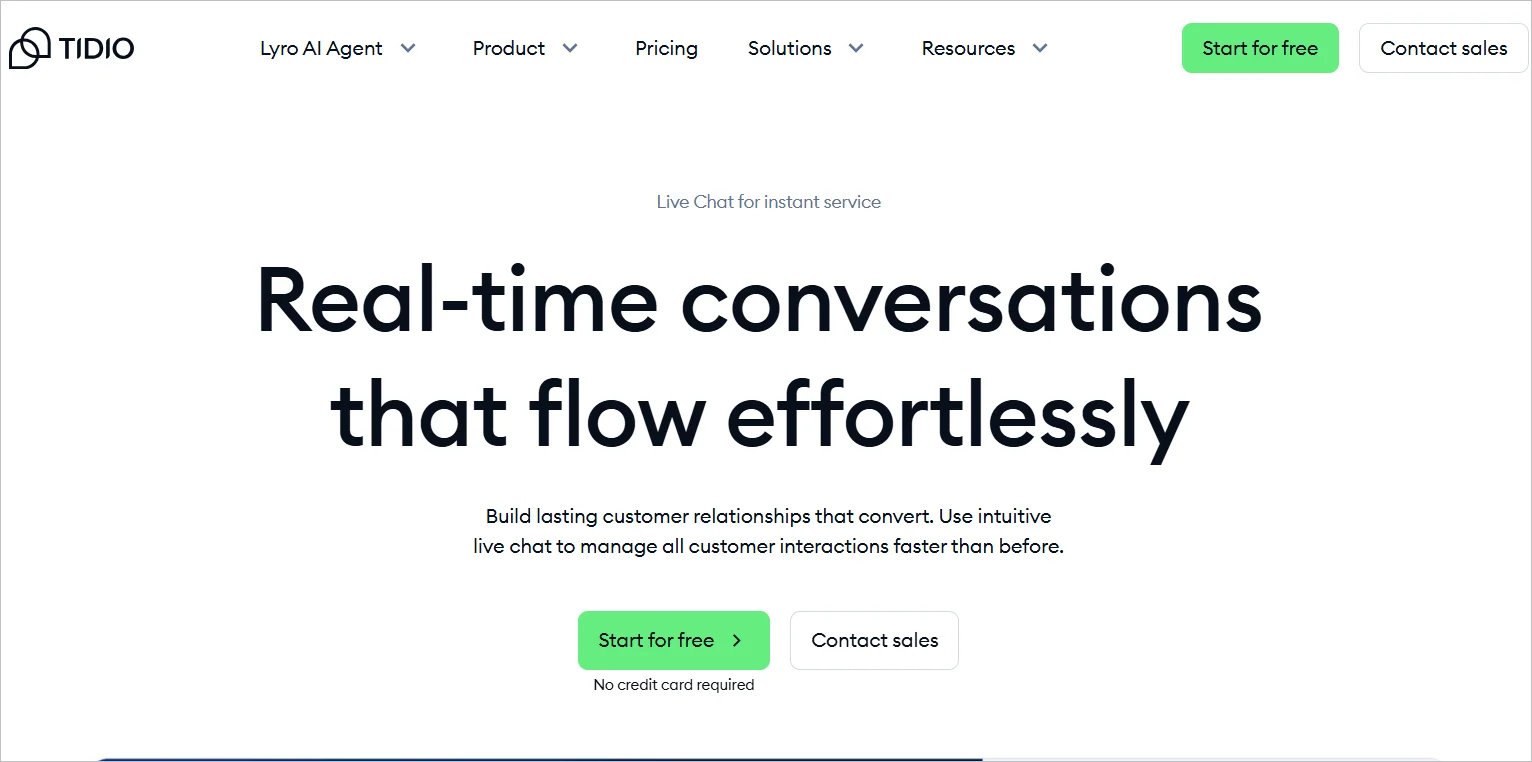
Tidio is a customer service SaaS product for businesses. Companies use it to chat with their clients in real-time to improve their experience.
Key features
- Live typing preview
- Chat history
- Chat analytics
Pros
- Easy to set up and implement, making it a good choice for businesses that want to get started quickly.
- AI chatbots help answer customer questions faster and reduce wait times.
Cons
- Pricing can become expensive for freelancers and small businesses as usage grows.
Pricing
Starts at $24.17/month
Free trial: 7 days
4. LiveAgent
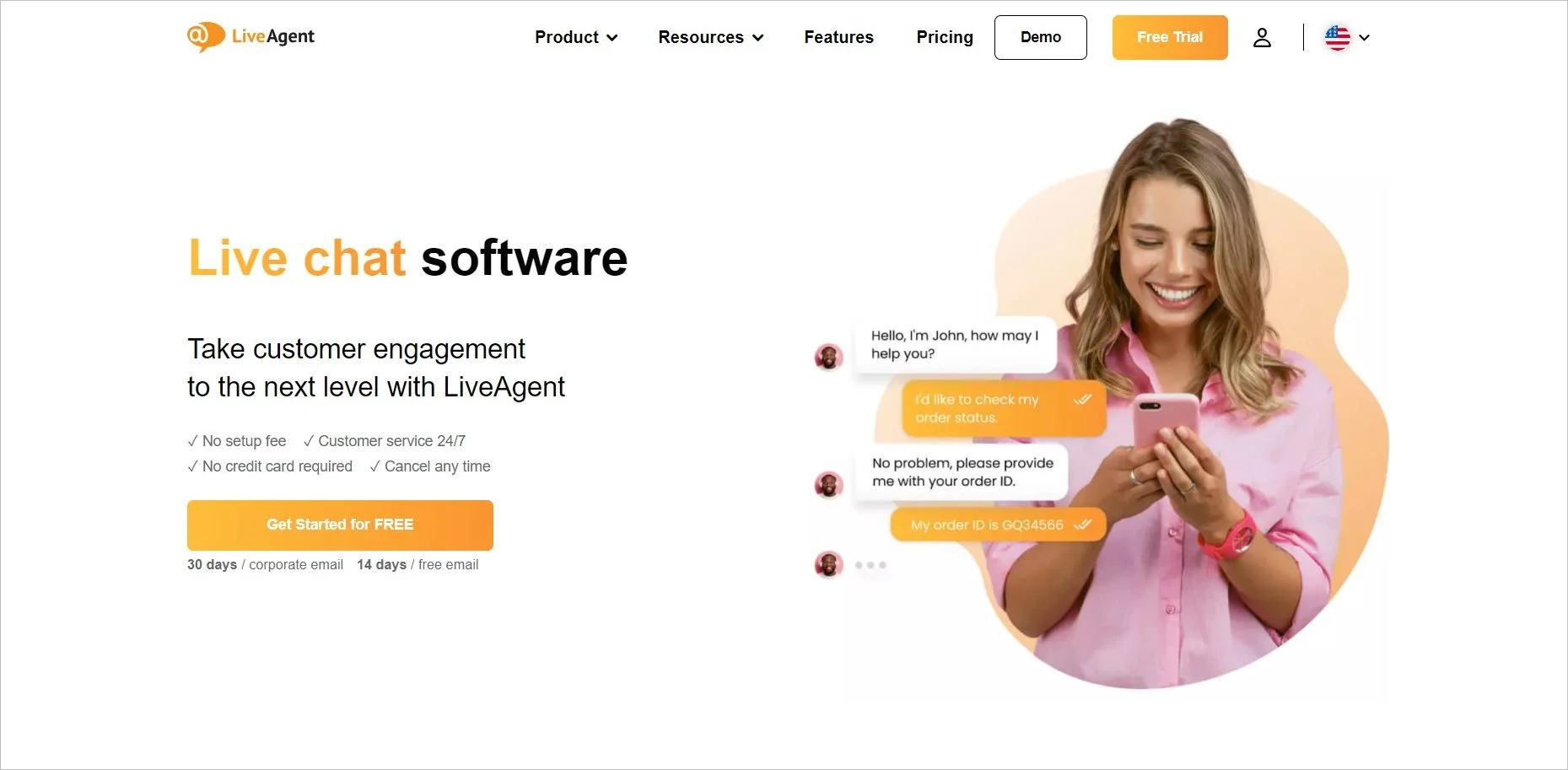
LiveAgent is a customer support SaaS tool that businesses can use to provide efficient customer care. Companies can use LiveAgent to track site visitors and gather insights from chats.
Key features
- Chat routing
- Reports and analytics
- Real-time typing view
Pros
- Easy to use and helps support teams resolve customer requests more efficiently.
- Offers a user-friendly ticketing system that streamlines customer interactions across multiple channels.
Cons
- Some users report a learning curve due to the interface and feature navigation.
Pricing
Starts at $15/month
Free trial: 30 days
Customer relationship management
Customer relationships extend beyond delivering excellent service. CRM SaaS applications help businesses manage client contacts, track customer journeys, and analyze customer data.
5. Salesforce
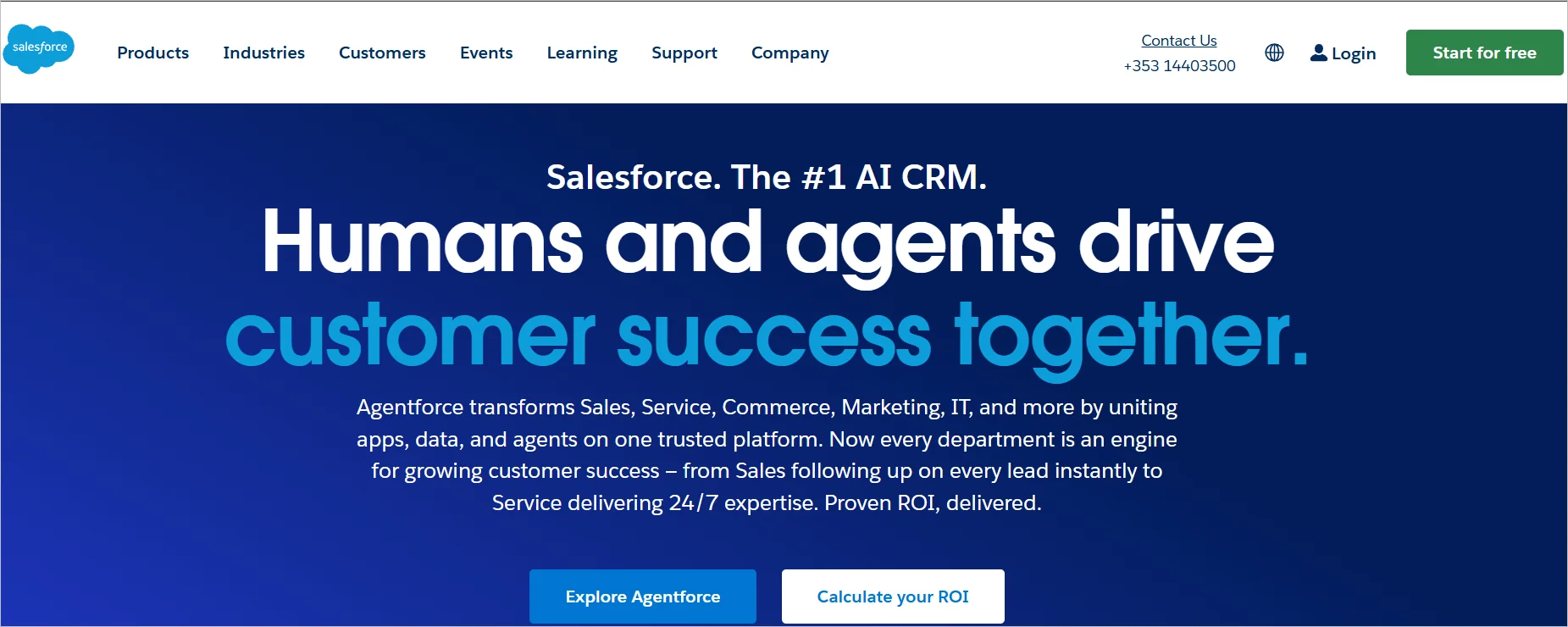
The Salesforce app is a good SaaS example of CRM software used to manage sales and track leads.
It has several features suited for small, medium, and large businesses to handle customer operations and scale quickly.
Key features
- Customer journey monitoring
- Automated workflows
- Integration with most business applications
Pros
- Offers a feature-rich CRM platform for managing leads, customer relationships, and sales workflows.
- Provides strong lead management and seamless integration across the Salesforce ecosystem.
Cons
- New users may face a steep learning curve when configuring and navigating the platform.
Pricing
Starts at $25/month
Free trial: 30 days
6. Zoho CRM
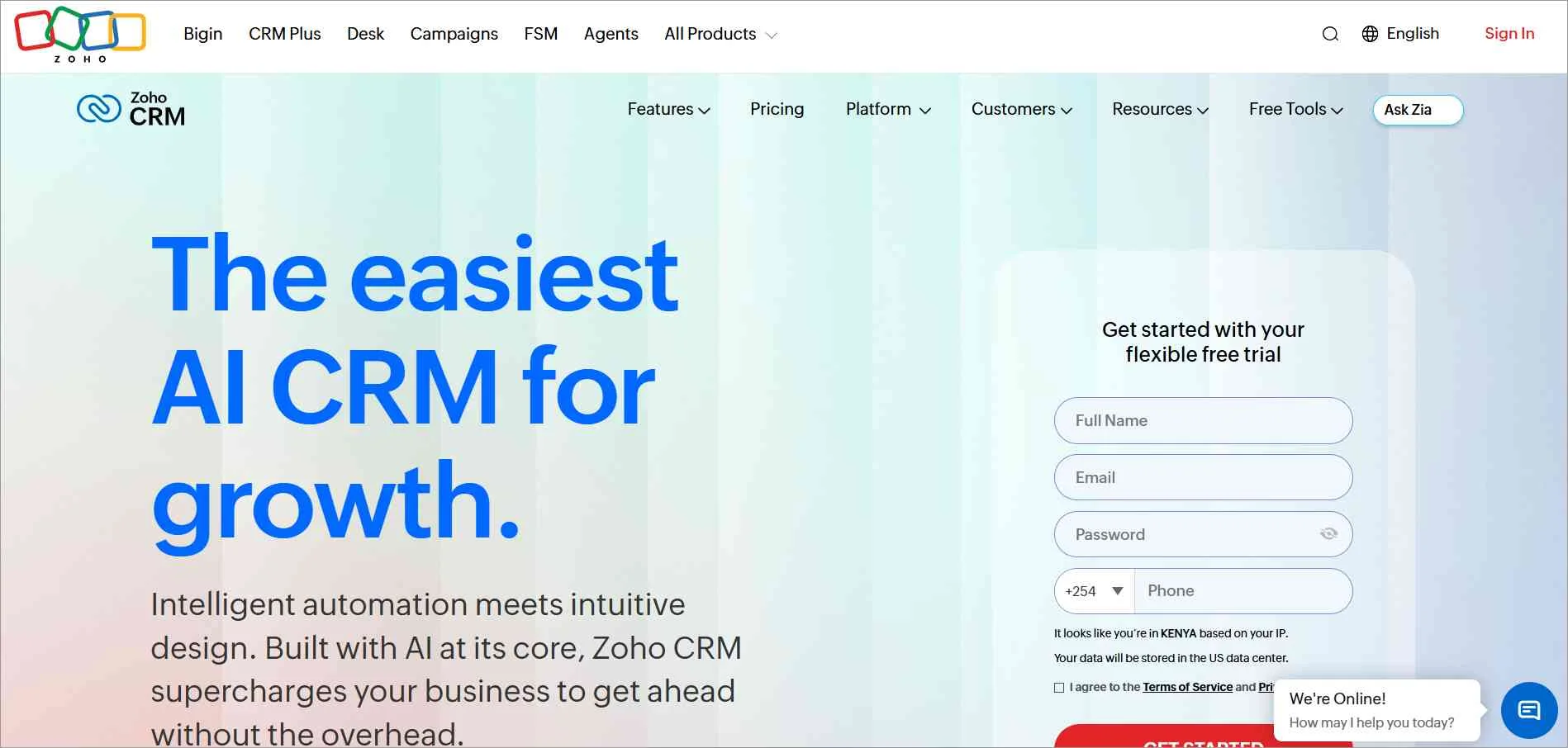
Zoho CRM is a SaaS app that helps businesses manage customer data. Companies use this CRM to track leads and analyze customer insights.
Key features
- Workflow automation
- Real-time customer insights
- Contact management
Pros
- Easy to use, with an intuitive interface that simplifies CRM adoption and day-to-day customer management.
- Offers robust features, lead management capabilities, and integrations that help streamline business workflows.
Cons
- Some users report challenges with integrations and automation when connecting Zoho CRM to other systems.
Pricing
Starts at $4/month
Free trial: 15 days
7. HubSpot
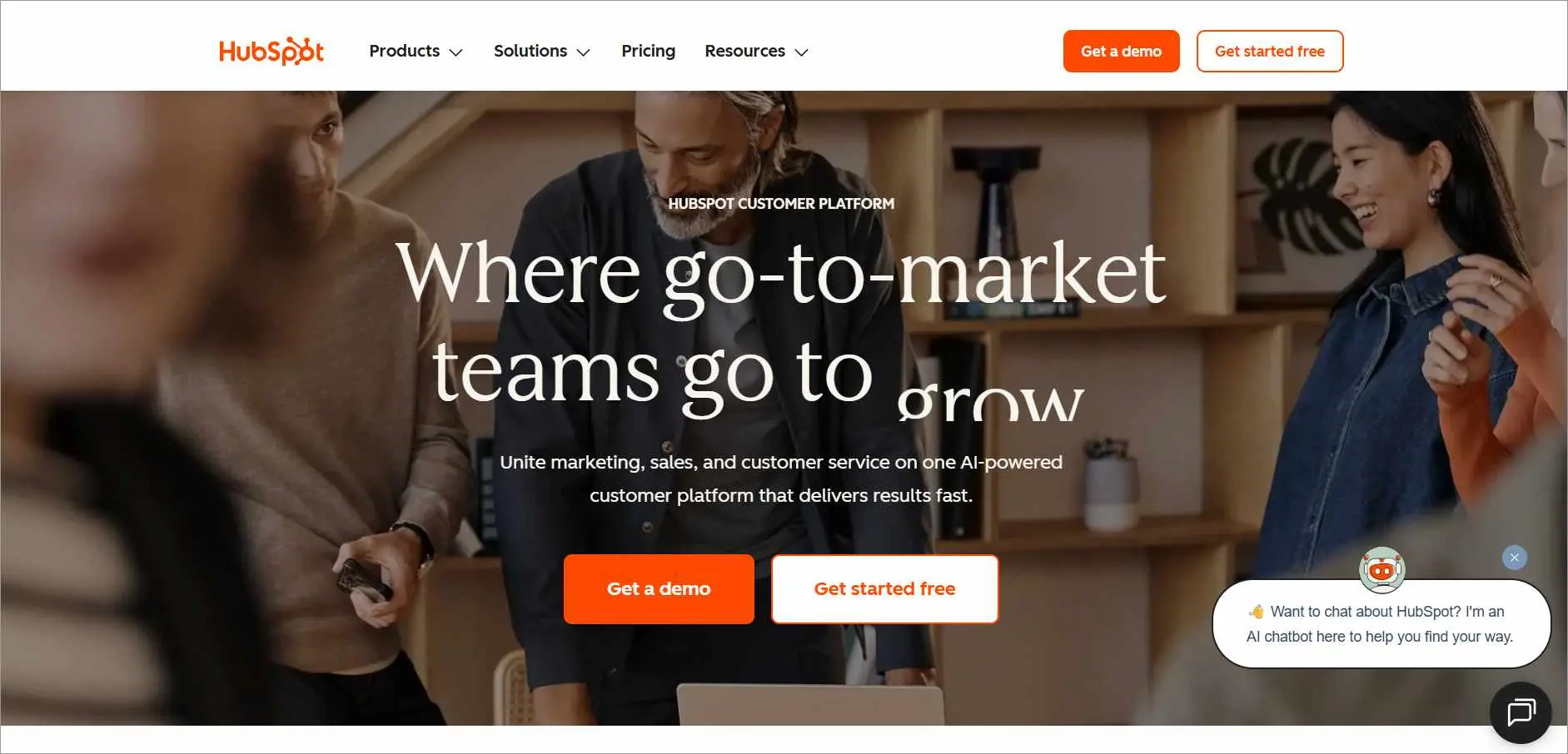
HubSpot is a CRM tool that allows brands to launch and manage marketing campaigns. This tool tracks customer interactions, monitors leads, and organizes customer journeys.
Key features
- Easy contact management
- Email tracking and templates
- Reports and analytics
Pros
- Easy to use, with an intuitive interface that simplifies marketing, email campaigns, and automation workflows.
- Powerful automation and email marketing features help teams create and manage campaigns more efficiently.
Cons
- Advanced features can require significant training and onboarding to use effectively.
Pricing
Starts at $9/month
Free trial: 14 days
Payment processing
For ecommerce businesses, processing payments from clients in different parts of the world can be quite challenging, given the ever-growing security risks.
Several SaaS vendors provide simple and secure software apps to process transactions for online brands. Below are some payment processing SaaS examples.
8. Stripe
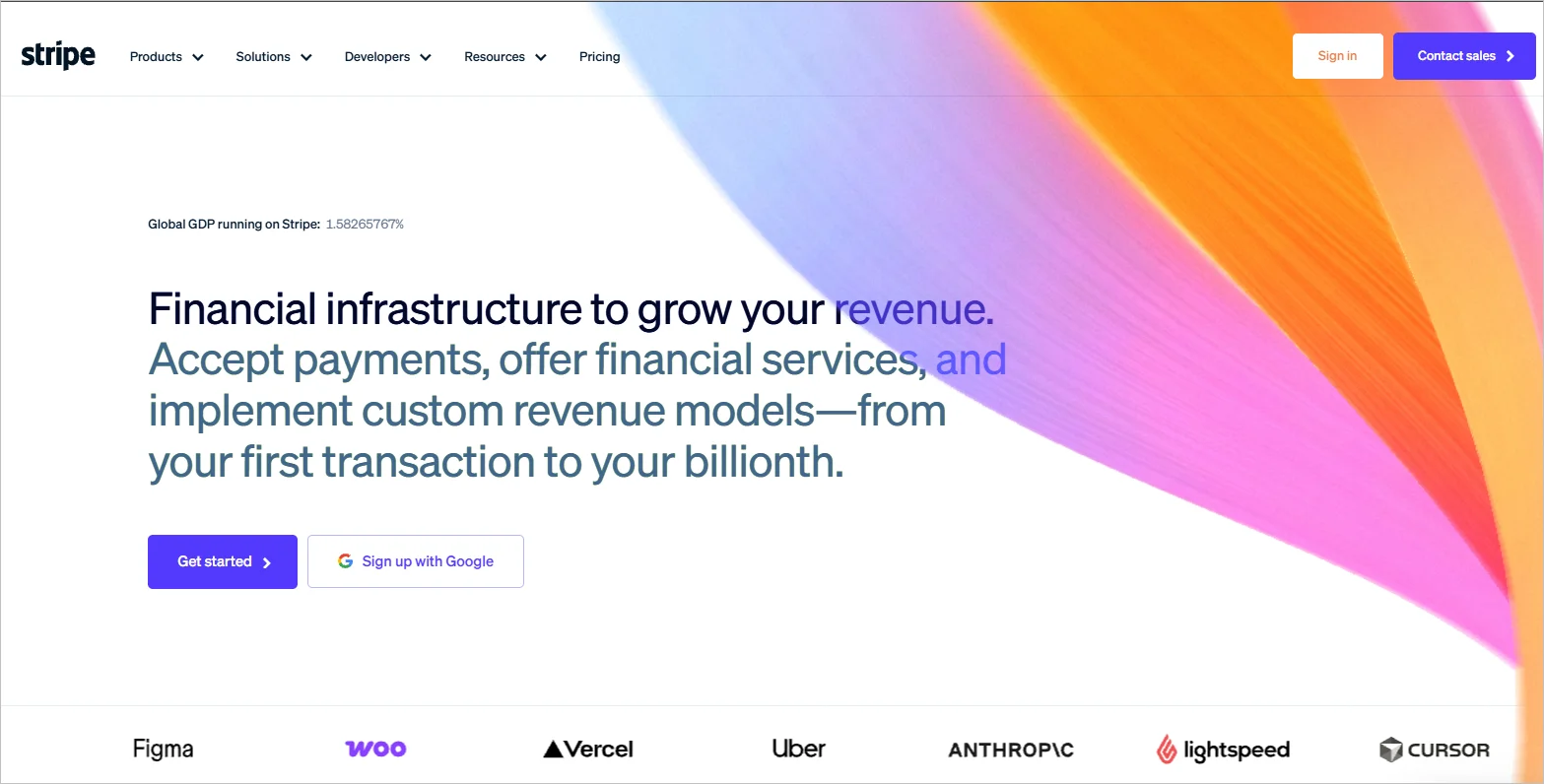
Stripe is a payment application that brands can use to handle transactions. It is secure and easy to use, making it suitable for online businesses of all sizes.
Key features
- Invoice support
- Real-time reporting
- Embeddable checkout
Pros
- Provides reliable payment processing and simplifies subscription billing management.
- Offers powerful APIs and integrations that make it easy to connect with other business systems.
Cons
- Pricing and transaction fees can become expensive, particularly for startups and growing businesses.
Pricing
Stripe charges custom prices based on region and number of transactions.
Free trial: Not available
AI-Powered Customer Support, Free for Startups
Scale support effortlessly with omnichannel communication, automation, and self-service tools.

9. PayPal
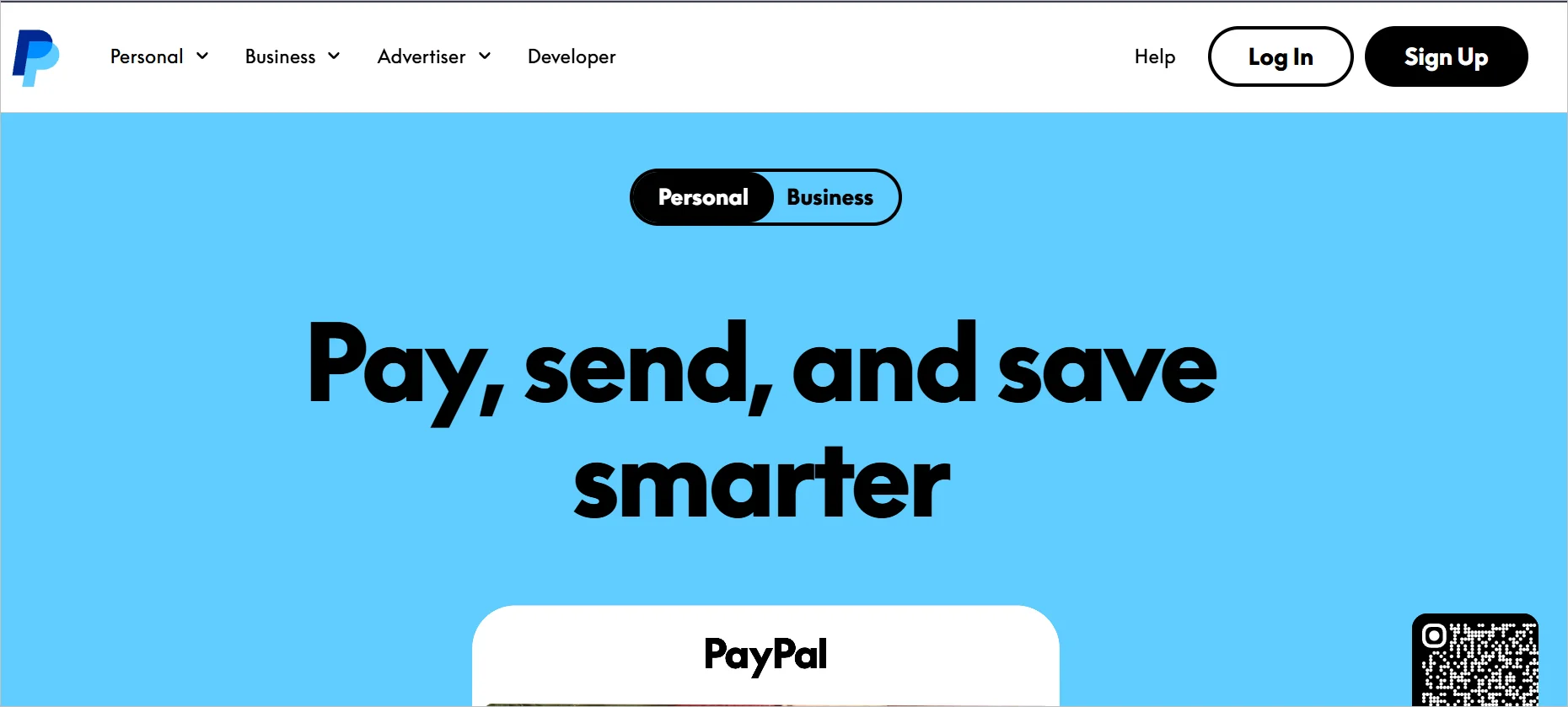
PayPal is a popular platform for sending and receiving money online. This SaaS app offers brands and users a secure way to buy products and services online.
Key features
- Fraud protection
- Integration with most ecommerce sites
- Simple user interface
Pros
- Easy to set up and use, making it simple for businesses to start accepting payments online.
- Widely accepted globally, supporting secure international transactions and payments.
Cons
- Some users report delays in accessing funds due to payment holds or withdrawal processing times.
Pricing
PayPal has different pricing plans based on the transaction amount and region.
Free trial: Not available
10. Square
Square is one of the popular SaaS applications used to track profits and receive payments. Most ecommerce stores use Square to process transactions.
Key features
- Customer data analytics
- Secure payments
- Reporting and insights
Pros
- Easy to set up and use, making it simple for businesses to start accepting payments quickly.
- Offers fast payment processing and useful business features, including customization and automation tools.
Cons
- Some users report limitations around customization, mobile payments, and internet-dependent functionality.
Pricing
Starts at $49/month
Free trial: Not available
Ecommerce software
Online businesses don’t have to build an ecommerce store from scratch. They can save time and money by subscribing to readily available platforms to set up stores and reach customers. Below are examples of SaaS ecommerce tools.
11. WooCommerce
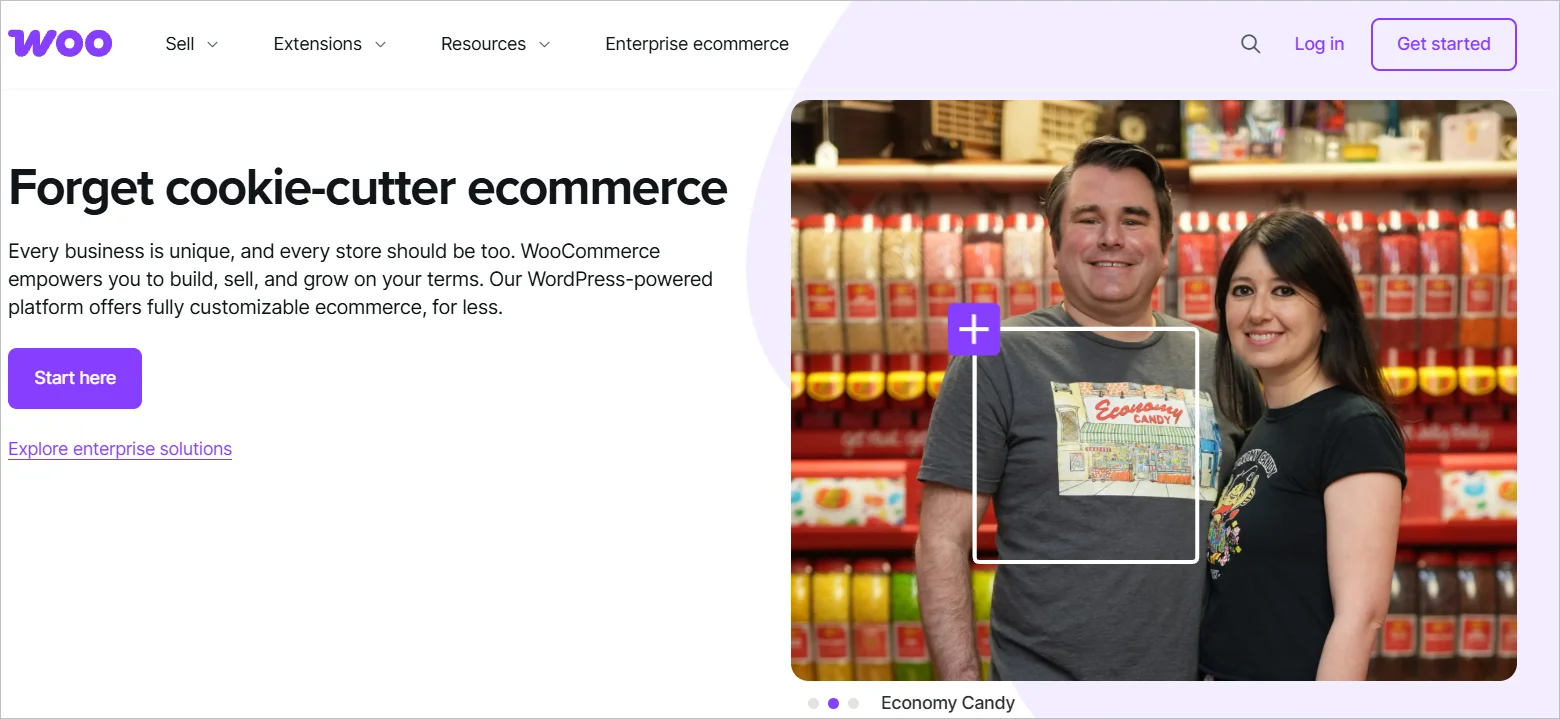
WooCommerce is a popular SaaS online shopping platform. It offers extensive customization features and marketing options.
Key features
- Customizable themes
- Extension options, such as subscriptions and bookings
- Online store setup
Pros
- Easy to set up and manage, allowing businesses to launch an online store without extensive coding knowledge.
- Highly customizable through a large ecosystem of plugins and integrations.
Cons
- Costs can increase as businesses purchase premium extensions and additional features.
Pricing
Contact sales
Free trial: Not available
12. Shopify
Shopify provides a platform for businesses to set up stores, market, and sell products online. Ecommerce brands use Shopify to reach a wider market to sell their products and services.

Key features
- Custom templates
- Customer data analytics
- Store creator
Pros
- Easy to set up and manage, thanks to its intuitive interface and user-friendly ecommerce tools.
- Offers seamless integrations and a quick path from store setup to launch.
Cons
- Costs can increase due to third-party apps, transaction fees, and advanced customization requirements.
Pricing
Starts at $19/month
Free trial: 3 days
13. BigCommerce
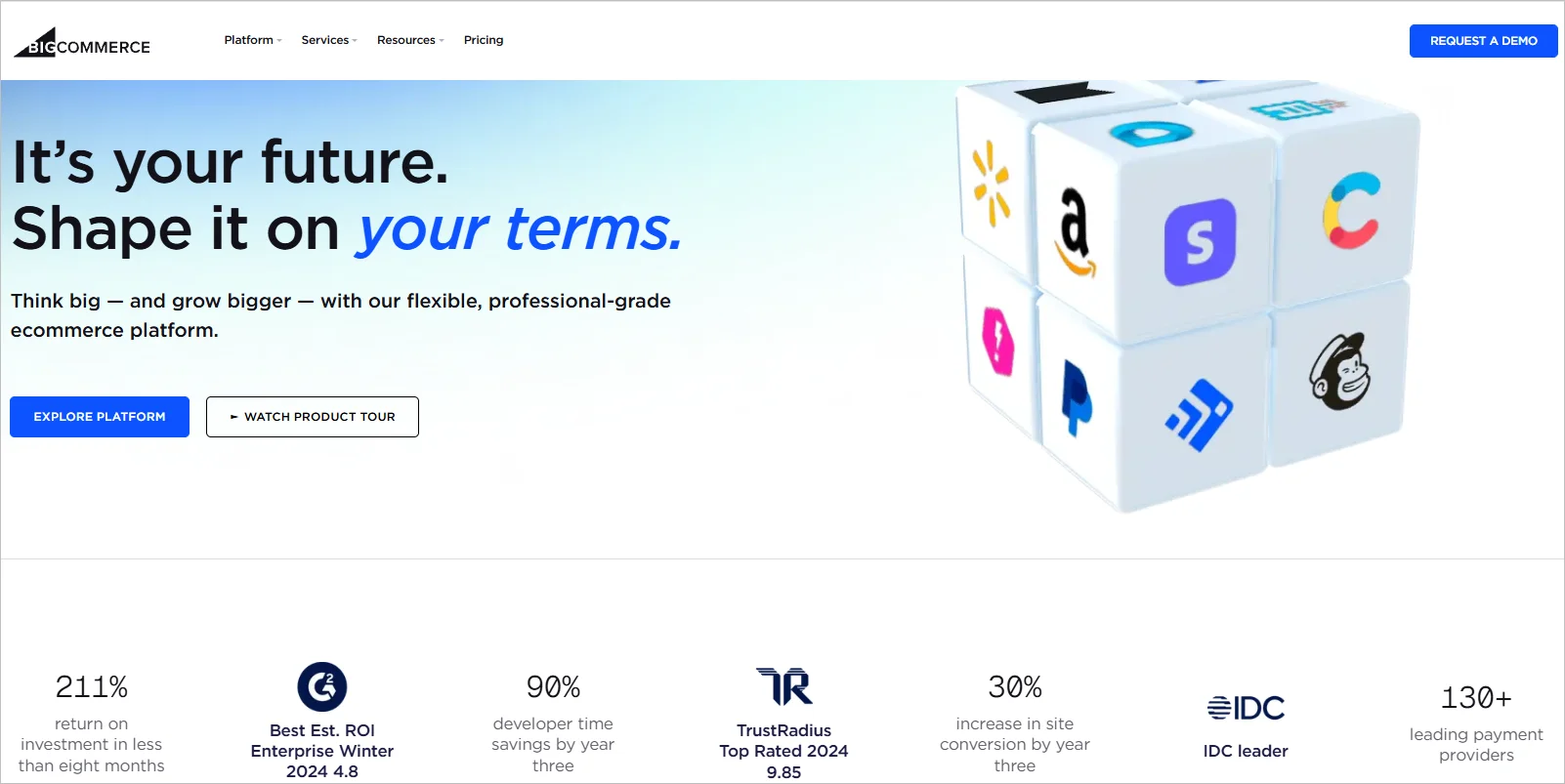
BigCommerce is also a well-known SaaS platform for selling products and services online. Its many integrations make it flexible and reliable.
Key features
- Integrations with other software
- Checkout options
- Analytics and reporting tools
Pros
- Easy to use, making it simple to set up and manage an online store.
- Integrates well with other business systems and is backed by responsive customer support.
Cons
- Some users find pricing expensive, especially when essential features are only available on higher-tier plans.
Pricing
Starts at $29/month
Free trial: 15 days
Reporting and analytics
Reporting and analytics apps help businesses make sense of customer data, business performance, and support processes. These apps can generate reports that are easy to analyze to gain insights and promote SaaS customer success. Below are some examples.
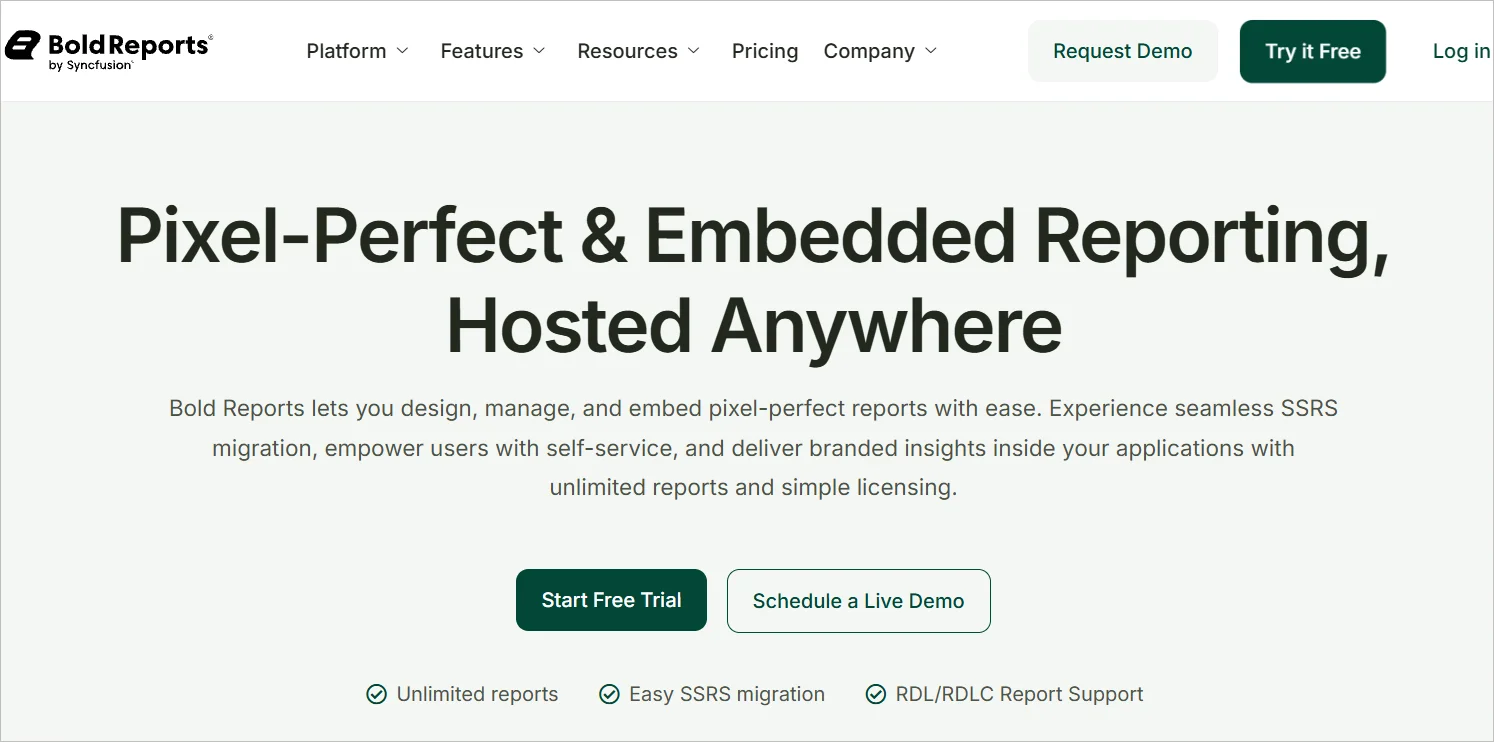
14. Bold Reports
Bold Reports is a reporting tool for brands to gather customer insights. It lets you analyze and manage customer data through live, real-time reports.
Key features
- Interactive reports
- Data visualization
- Integrations with most SaaS applications
Pros
- Supports pixel-perfect SSRS RDL and RDLC reporting, making it well-suited for organizations that require highly formatted operational reports.
- Offers both self-service and embedded reporting capabilities, allowing businesses to integrate reports directly into their applications.
Cons
- New users may need time to familiarize themselves with report design and deployment workflows.
Pricing
Contact sales
Free trial: 30 days
15. Tableau
One of the top cloud-based analytics solutions available today is Tableau. It enables users to convert data into actionable insights.
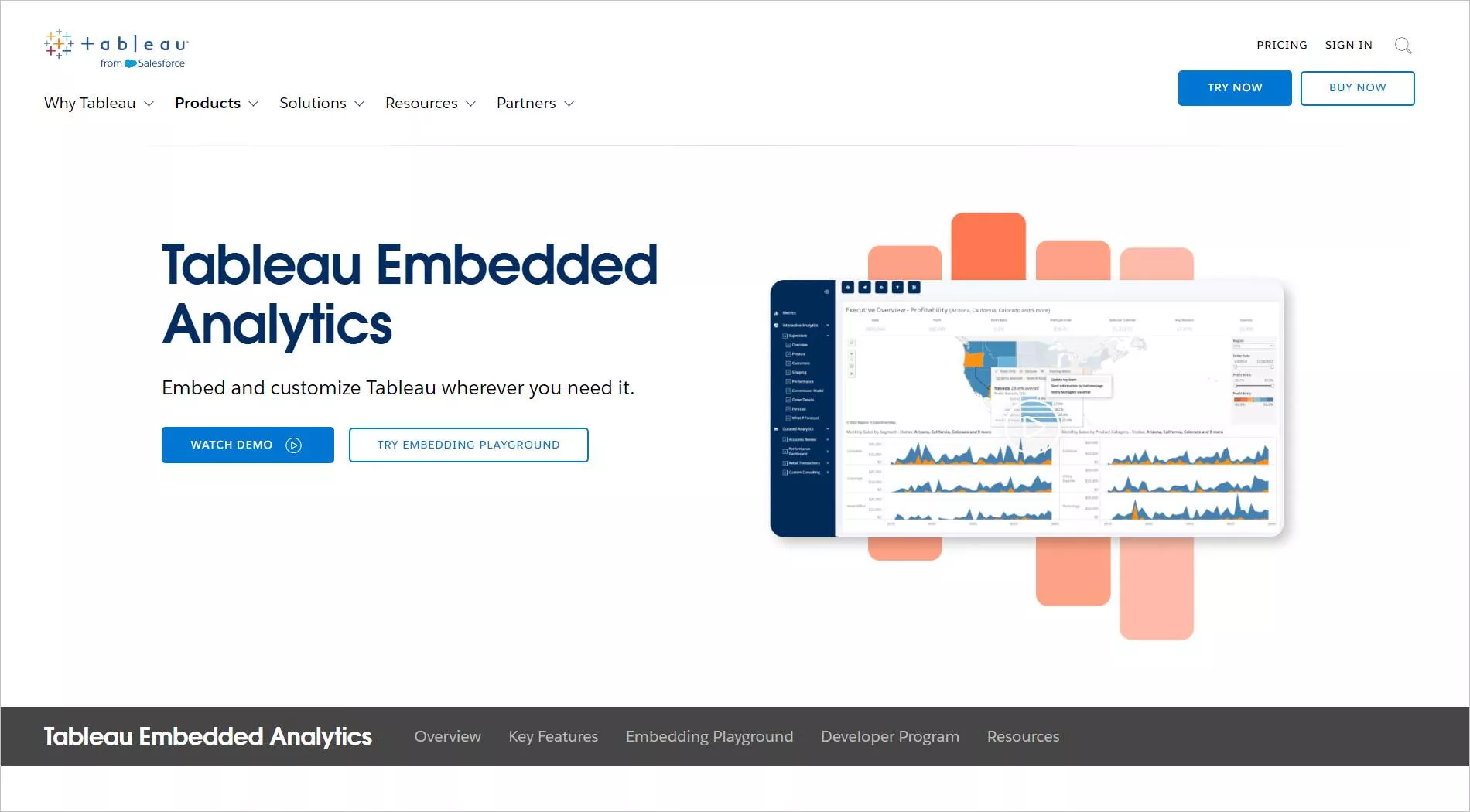
Brands use this tool to analyze customer data and make better decisions.
Key features
- Integrations with most applications
- Interactive dashboards
- Web authoring
Pros
- Easy to use, with an intuitive drag-and-drop interface for creating interactive dashboards and reports.
- Powerful data visualization capabilities that help users turn complex data into clear, actionable insights.
Cons
- Pricing can be expensive, especially for larger deployments and smaller organizations with limited budgets.
Pricing
Starts at $35/month
Free trial: 14 days
16. Google Analytics
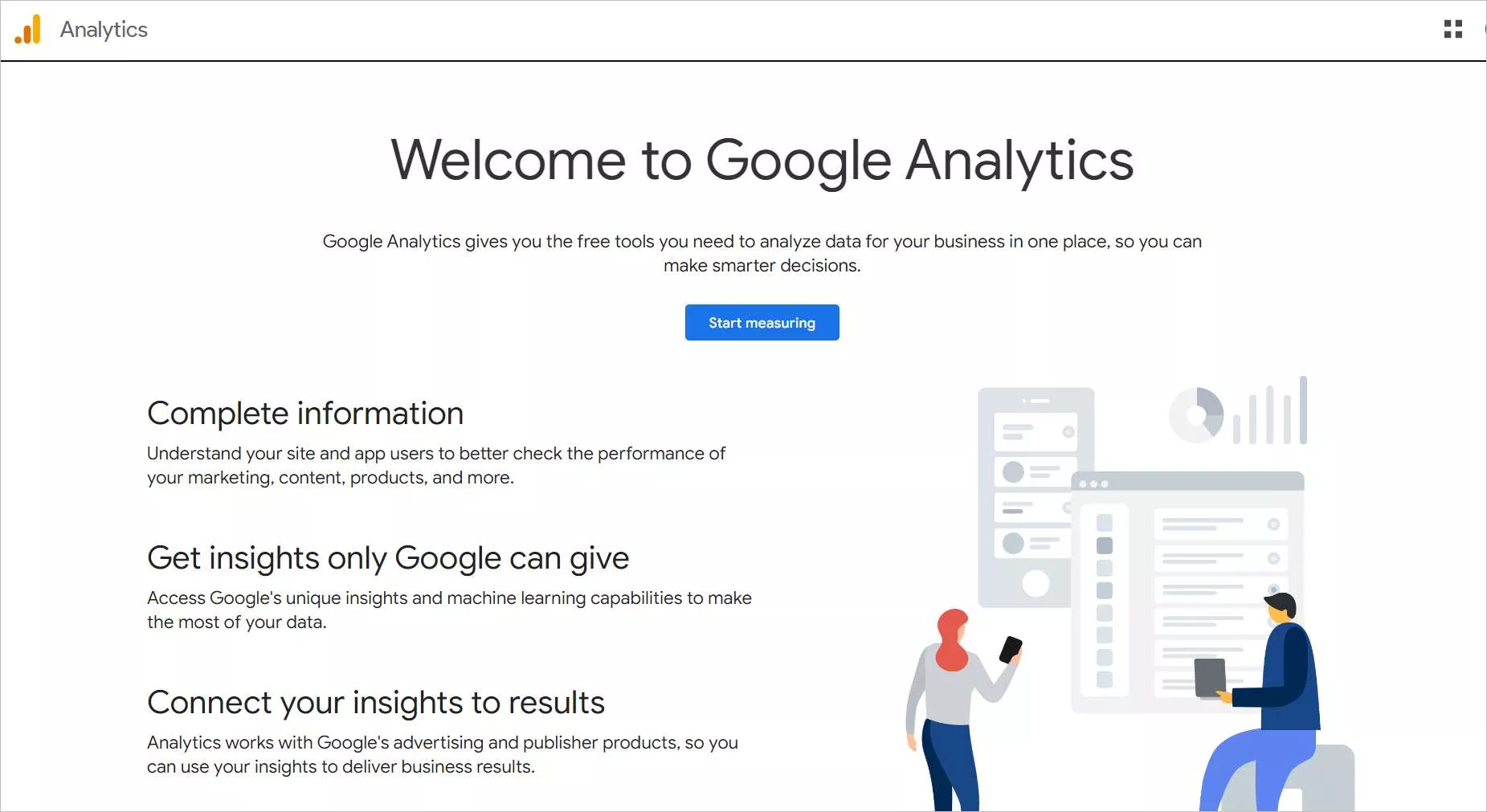
Google Analytics helps you understand your customers’ journeys, improve marketing strategies, and monitor the performance of your website.
Key features
- Built-in automation
- Shareable reports
- Data analytics and insights
Pros
- Provides detailed insights into website traffic, user behavior, and engagement.
- Integrates easily with Google and other marketing tools for deeper performance analysis.
Cons
- The interface and setup can feel complex when configuring advanced tracking and reports.
Pricing
Contact sales
Free trial: Not available
Business intelligence
Gathering customer insights is a crucial strategy to improve customer satisfaction. Various SaaS apps exist to help companies collect customer data. They include:
17. Bold BI
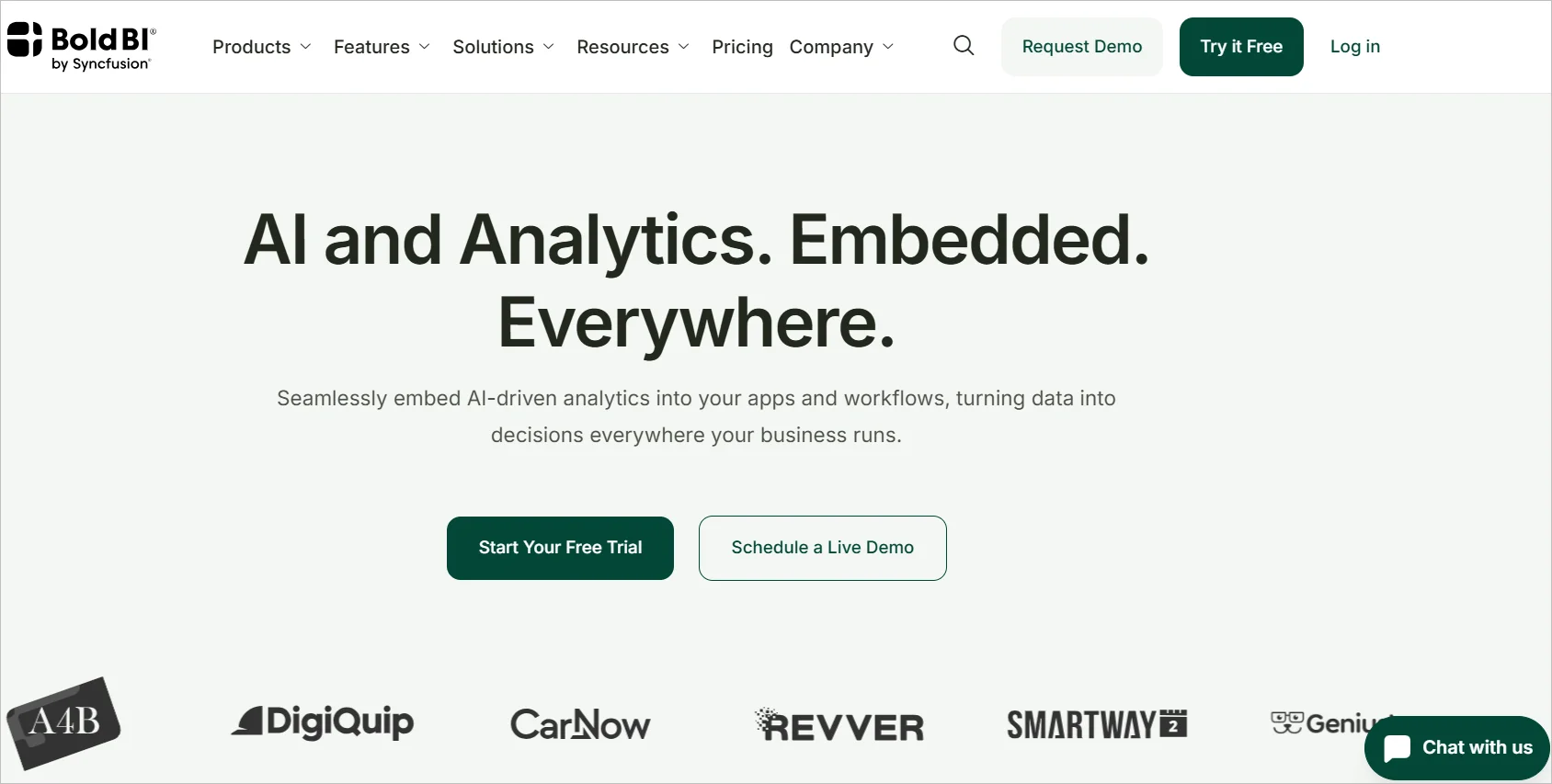
Bold BI is a business intelligence (BI) tool for visualizing and analyzing data. It has intuitive widgets for brands to create dashboards and visualize various metrics.
Key features
- Embedded analytics
- Data visualization
- Collaboration features
Pros
- Combines embedded analytics with self-service dashboard creation.
- Helps teams visualize business metrics without extensive coding.
Cons
- Complex enterprise analytics deployments may require technical setup and customization.
Pricing
Contact sales
Free trial: 30 days
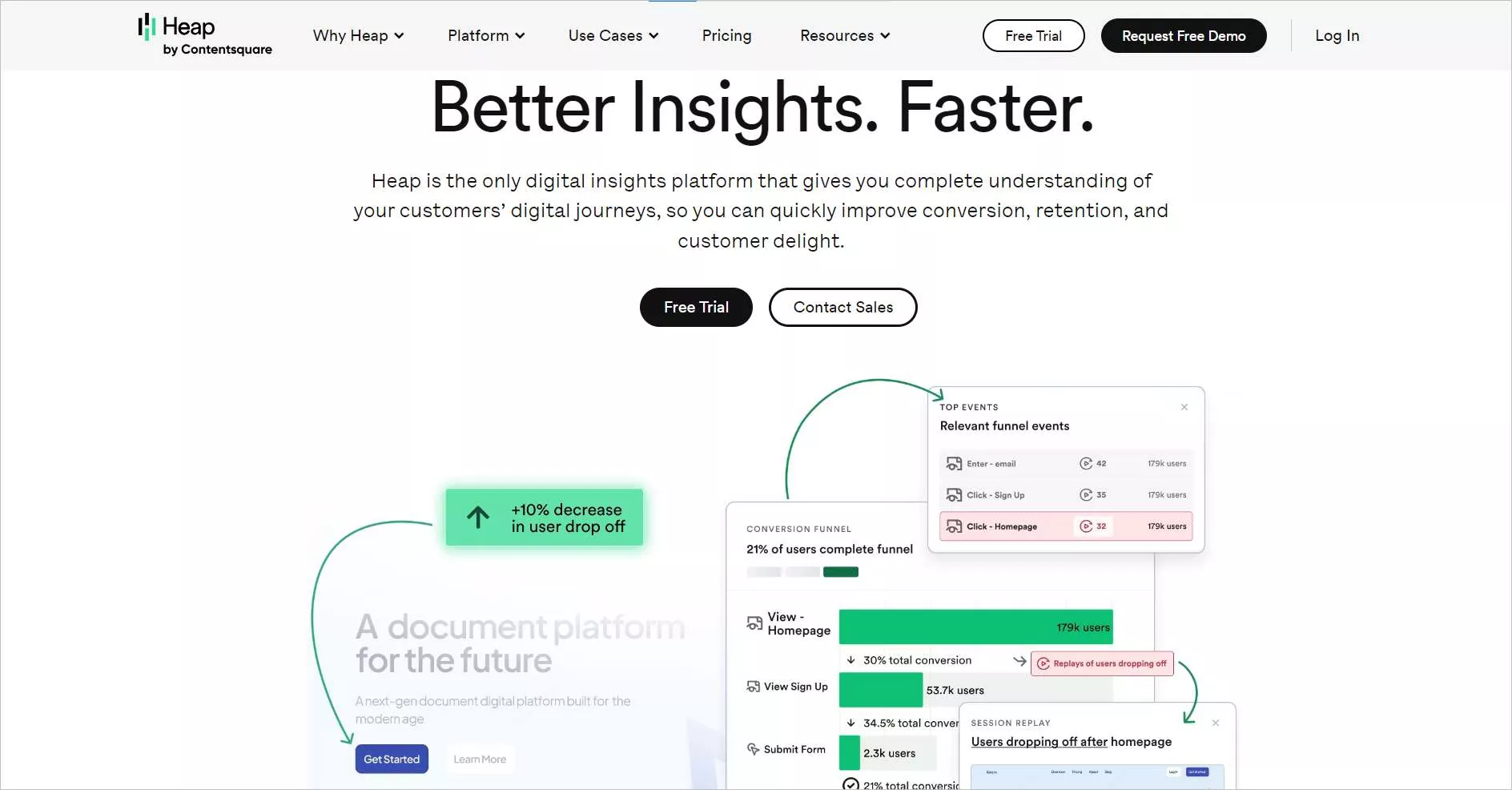
18. Heap
Heap is a SaaS tool that brands can use to gain insights into customers’ data. Brands use it to gather information on user sessions, actions, and behaviors on their websites.
Key features
- Analytics charts and reports
- Customer data history
- Email alerts
Pros
- Automatically captures user interactions without manual event tagging.
- Provides powerful funnel, retention, and user journey analysis tools.
Cons
- Advanced analysis may require analytics expertise to interpret effectively.
Pricing
Contact sales
Free trial: 14 days
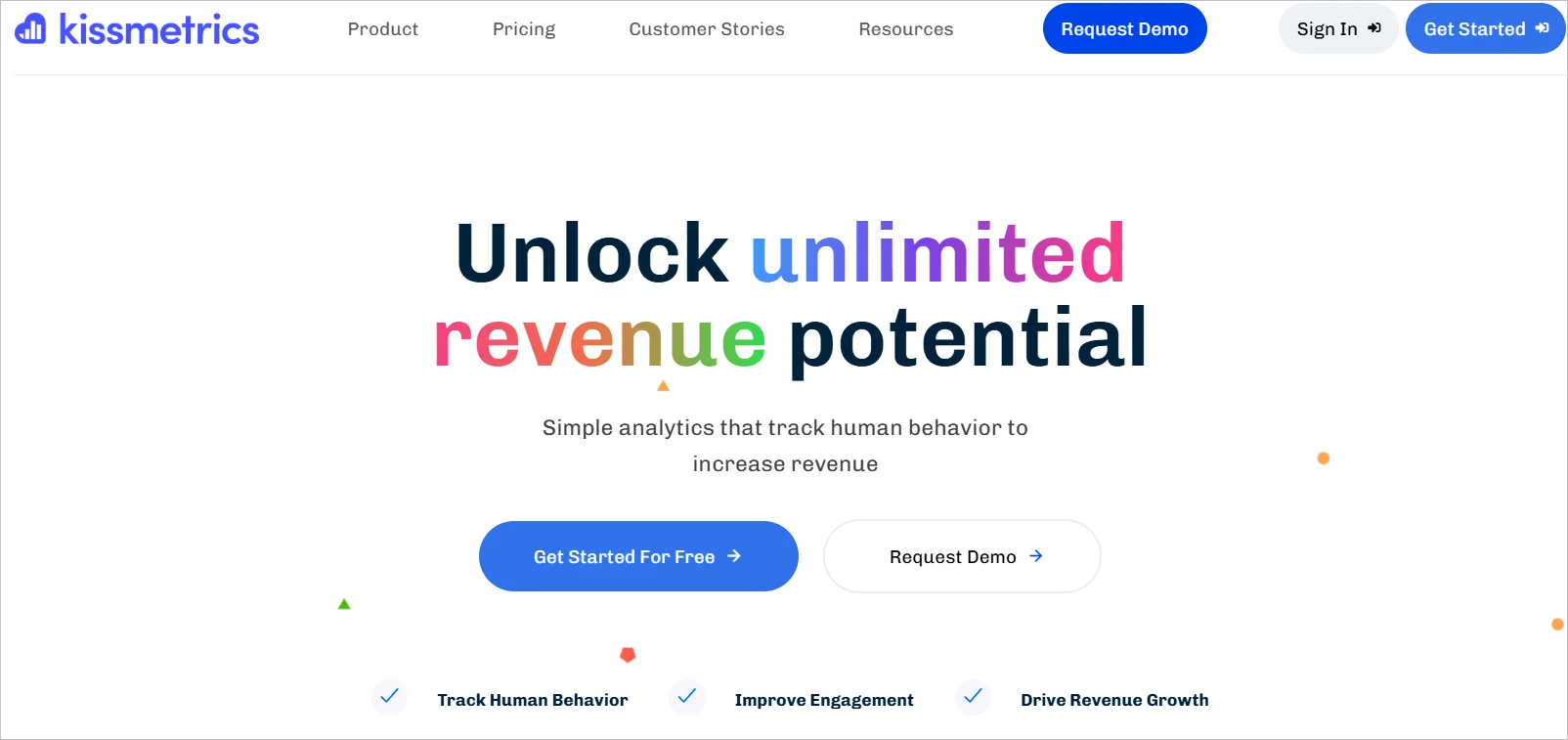
19. Kissmetrics
Kissmetrics helps companies gain customer insights by tracking how customers use their applications. It can also measure customer engagement.
Key features
- Feature usage tracking
- Page views counter
- User behavior monitoring
Pros
- Tracks customer and user behavior beyond basic website metrics.
- Helps businesses measure the metrics that matter most to growth and retention.
Cons
- May require time to identify and configure the right metrics for your business.
Pricing
Starts at $25.99/month
Free trial: 7 days
Collaboration software
Enhancing collaboration is a proven method for improving your team’s efficiency. Below are some good examples of collaboration tools that you can subscribe to.
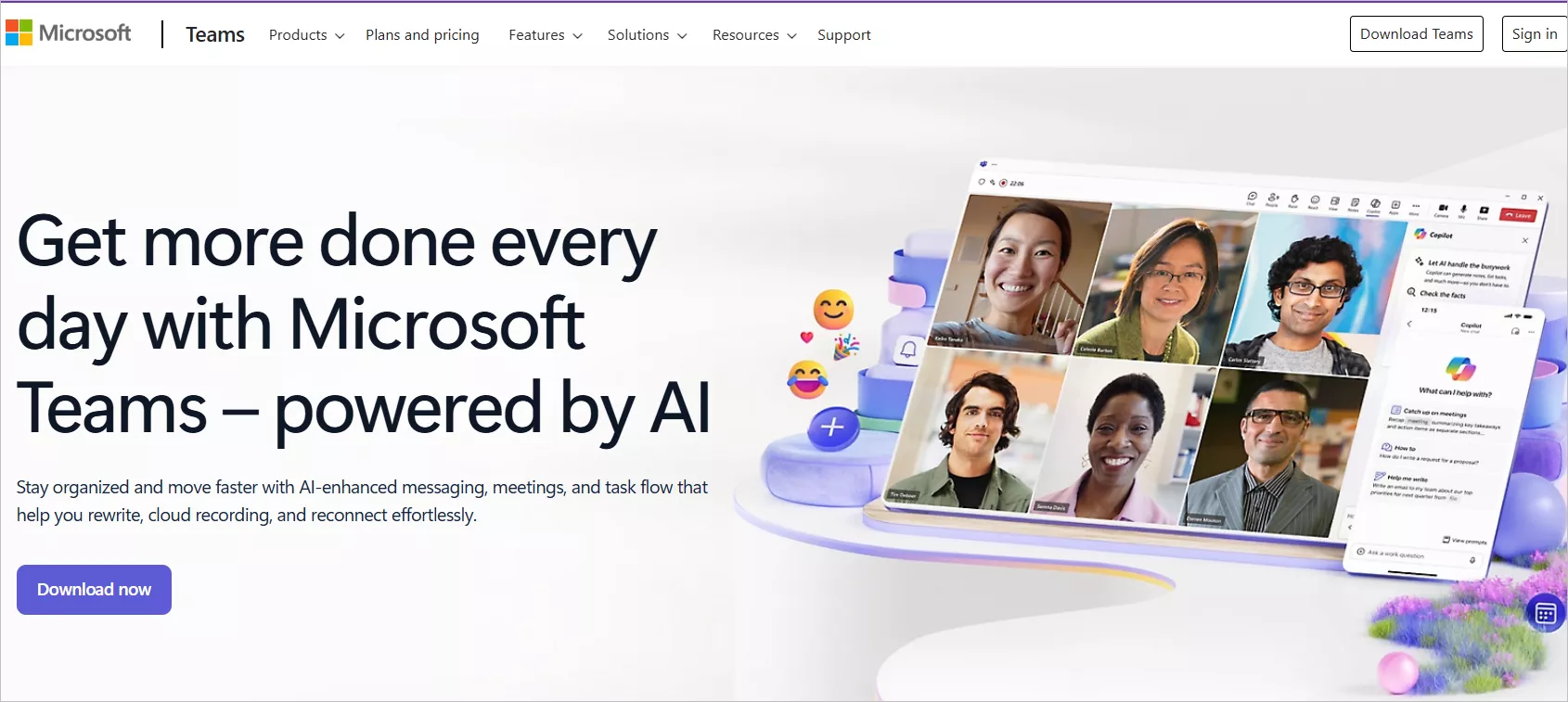
20. Microsoft Teams
Microsoft Teams is a collaboration tool for chat, video, and file sharing. It facilitates effective communication and can help you improve the efficiency of your support team. Most companies use Teams to communicate and share files.
Key features
- Instant messaging
- Video calls
- Integrations with third-party apps
Pros
- Easy to use for team communication, meetings, and collaboration.
- Strong collaboration features, including file sharing and team communication in one platform.
Cons
- The interface may feel complex and overwhelming for some users.
Pricing
Starts at $4/month
Free trial: 30 days
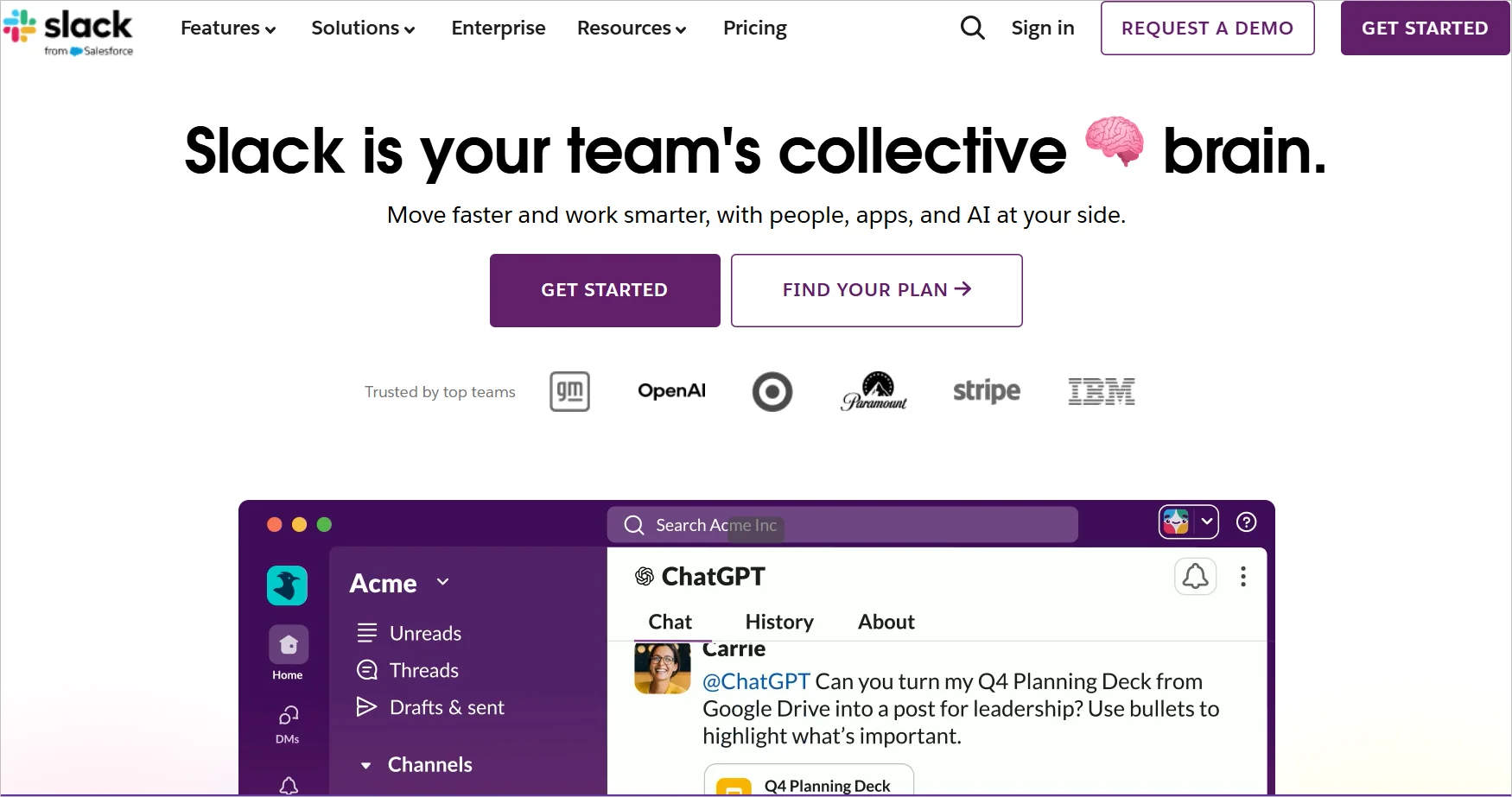
21. Slack
Slack is another popular collaboration tool for teams. Users can share files and work on projects in real time. Most large companies, such as eBay, use Slack to communicate.
Key features
- Direct messaging
- Integrations with many applications
- Collaborative workspaces
Pros
- Easy to use and helps teams collaborate through organized channels and conversations.
- Integrates with a wide range of tools and supports workflow automation.
Cons
- Search, message organization, and channel management can become difficult as conversations grow.
Pricing
Starts at $4.38/month
Free trial: A free version is available with limited options.
22. Dropbox
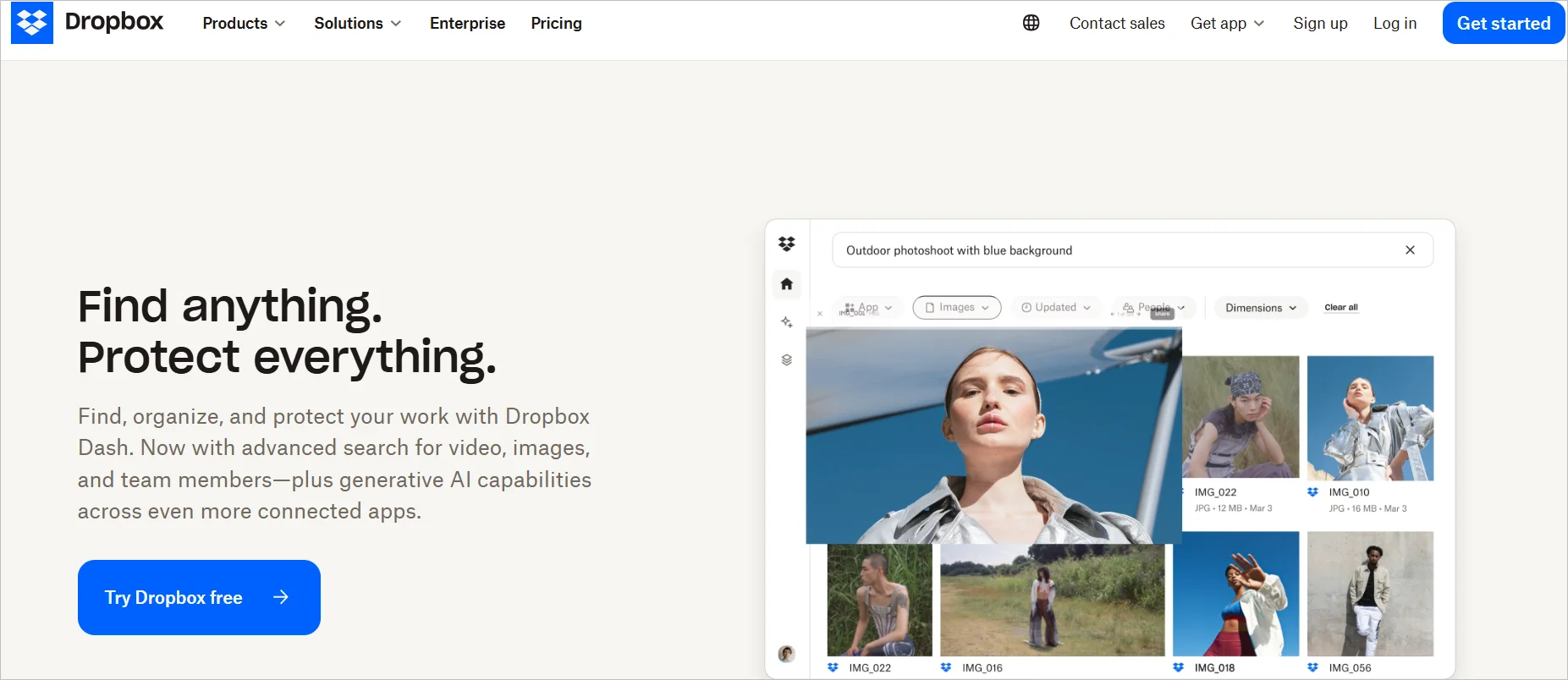
Dropbox is a popular collaboration tool for companies. Businesses use Dropbox to store, retrieve, and manage their files on the cloud.
Teams use Dropbox to share sensitive files, such as tax returns.
Key features
- Cloud file storage
- Secure file transfers
- Real-time file tracking
Pros
- Easy to use, with an intuitive interface for storing, accessing, and sharing files.
- Makes file sharing and access across multiple devices simple and efficient.
Cons
- Storage upgrades can be expensive, especially for individuals and small teams.
Pricing
Starts at $9.99/month
Free trial: 30 days
Project management software
Many businesses rely on SaaS products and productivity tools to improve team collaboration, task management, and workflow visibility.
Here are some SaaS examples.
23. Trello
Trello is a project management tool suitable for managing a team that includes remote workers.
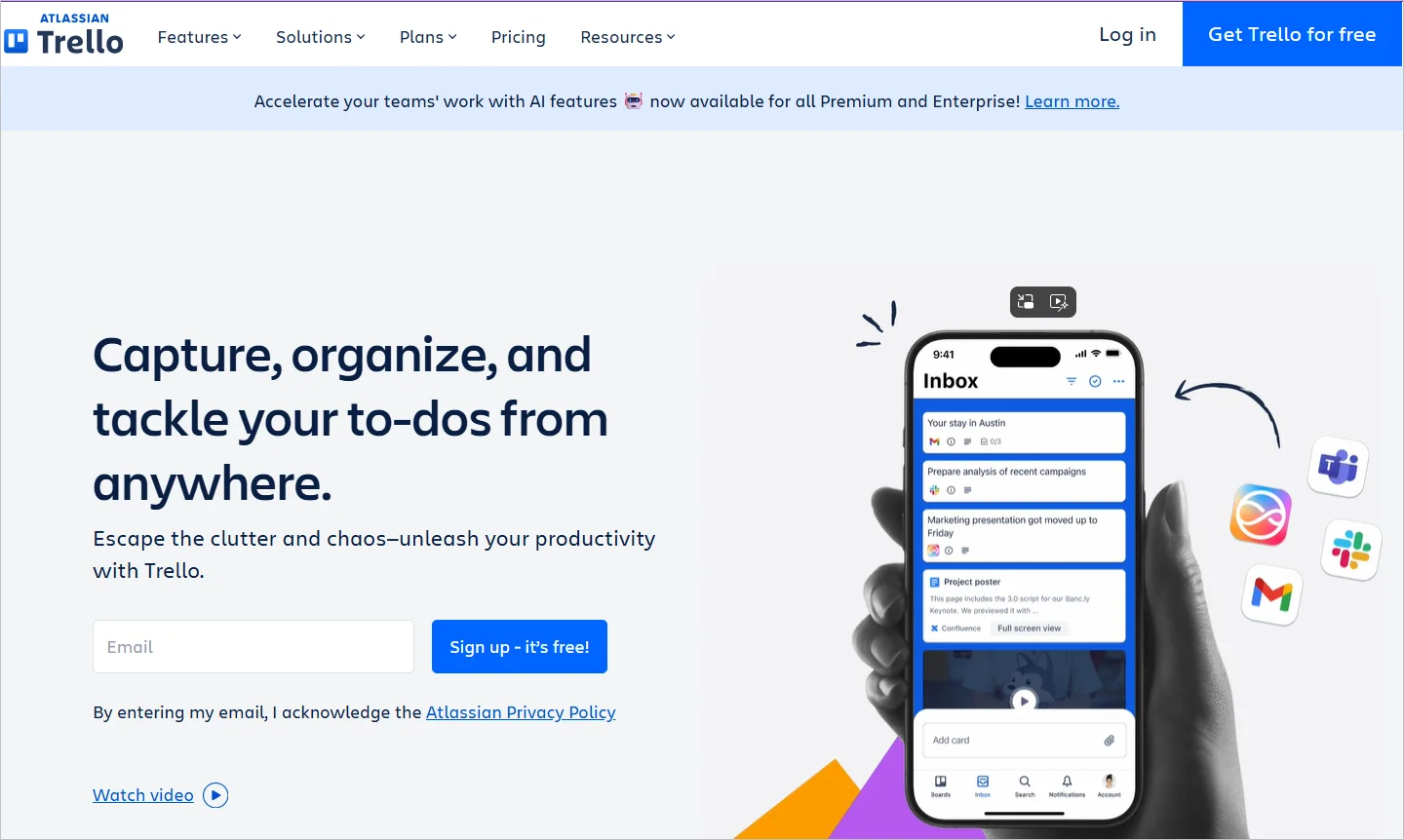
Large companies with departments in different regions can use Trello to assign and track tasks, collaborate on projects, and communicate.
Key features
- Engaging interface
- Collaborative workspace
- Task automation
Pros
- Easy to use, with an intuitive visual interface for organizing tasks and projects.
- Makes task management and team collaboration simple and effective.
Cons
- Limited functionality for complex project management needs.
Pricing
Starts at $5/month
Free trial: A free plan is available for up to 10 users.
24. Asana
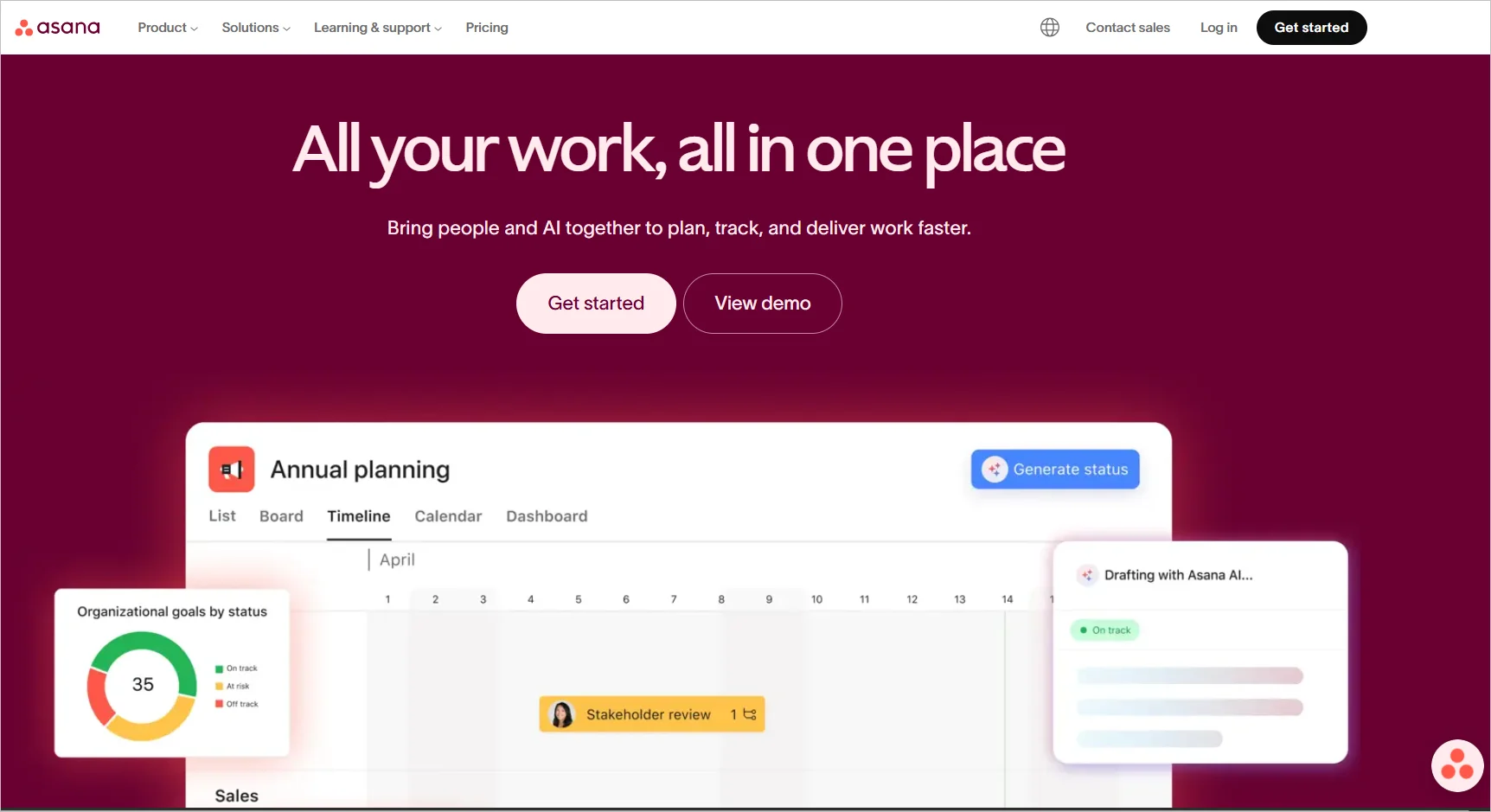
Asana focuses on project management and is a good example of a SaaS tool.
It offers multiple views that cross-functional teams can apply to their dashboards and check individual and connected tasks.
Key features
- Custom fields
- Time tracking
- Status updates
Pros
- User-friendly interface that simplifies task and project management.
- Strong workflow and collaboration features that help teams stay organized and productive.
Cons
- Some advanced features require paid plans or upgrades.
Pricing
Starts at $10.99/month
Free trial: Not available
25. ClickUp
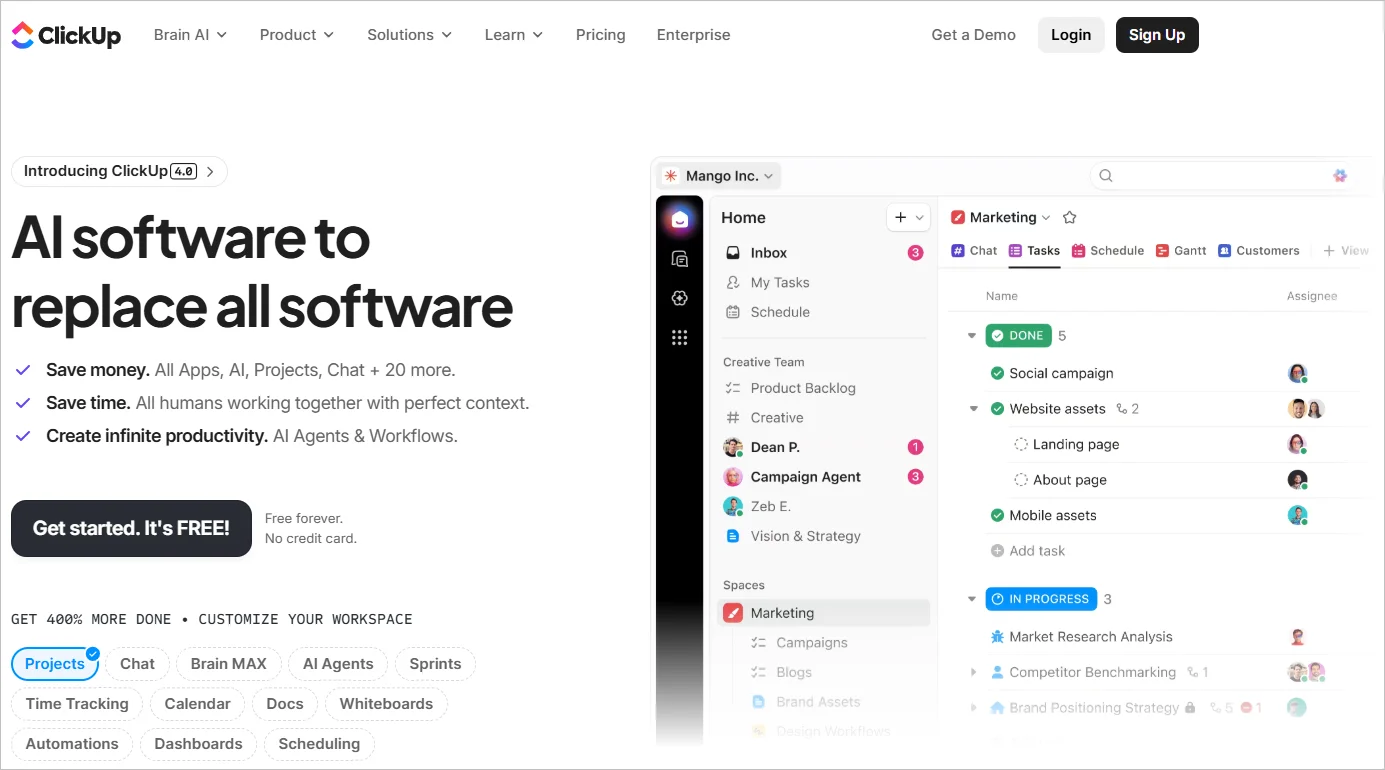
ClickUp is a good SaaS application for remote teams to work together on projects. Companies with teams in different parts of the world can use ClickUp to communicate, share files, and collaborate.
Key features
- Gantt charts
- Worklog views
- Time tracking
Pros
- Easy to use for organizing projects, tasks, and team collaboration.
- Offers extensive task management, customization, and workflow features.
Cons
- Some features are limited or locked behind paid plans, and users may experience occasional performance issues.
Pricing
Starts at $7/month
Free trial: Contact ClickUp
Content management software
Content creators and designers can only do so much. Modern content management SaaS applications have many functionalities that can help creators generate new content for marketing and advertising. Below are some good examples of content management SaaS.
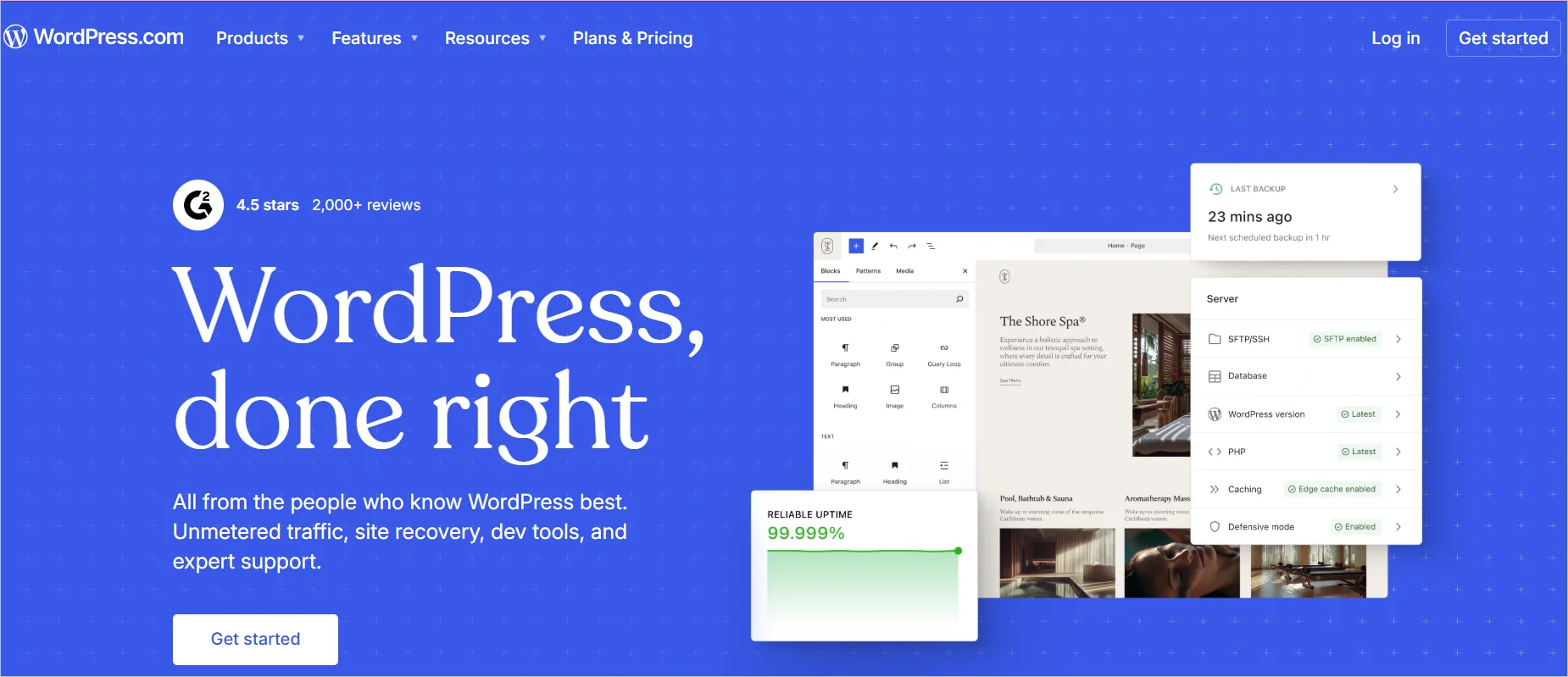
26. WordPress
WordPress is a web app for building and managing websites. It enables brands to create, edit, and publish engaging web content to drive customer engagement and enhance web visibility.
Key features
- A library of custom themes
- Integrations with most social media applications
- Search engine optimization
Pros
- Easy to use, with a flexible interface for creating and managing websites.
- Offers extensive customization through thousands of plugins and themes.
Cons
- Requires ongoing attention to security, updates, and site management.
Pricing
Starts at $8/month
Free trial: 7 days
27. Canva
Canva provides templates, images, and short videos to create web and social media content.
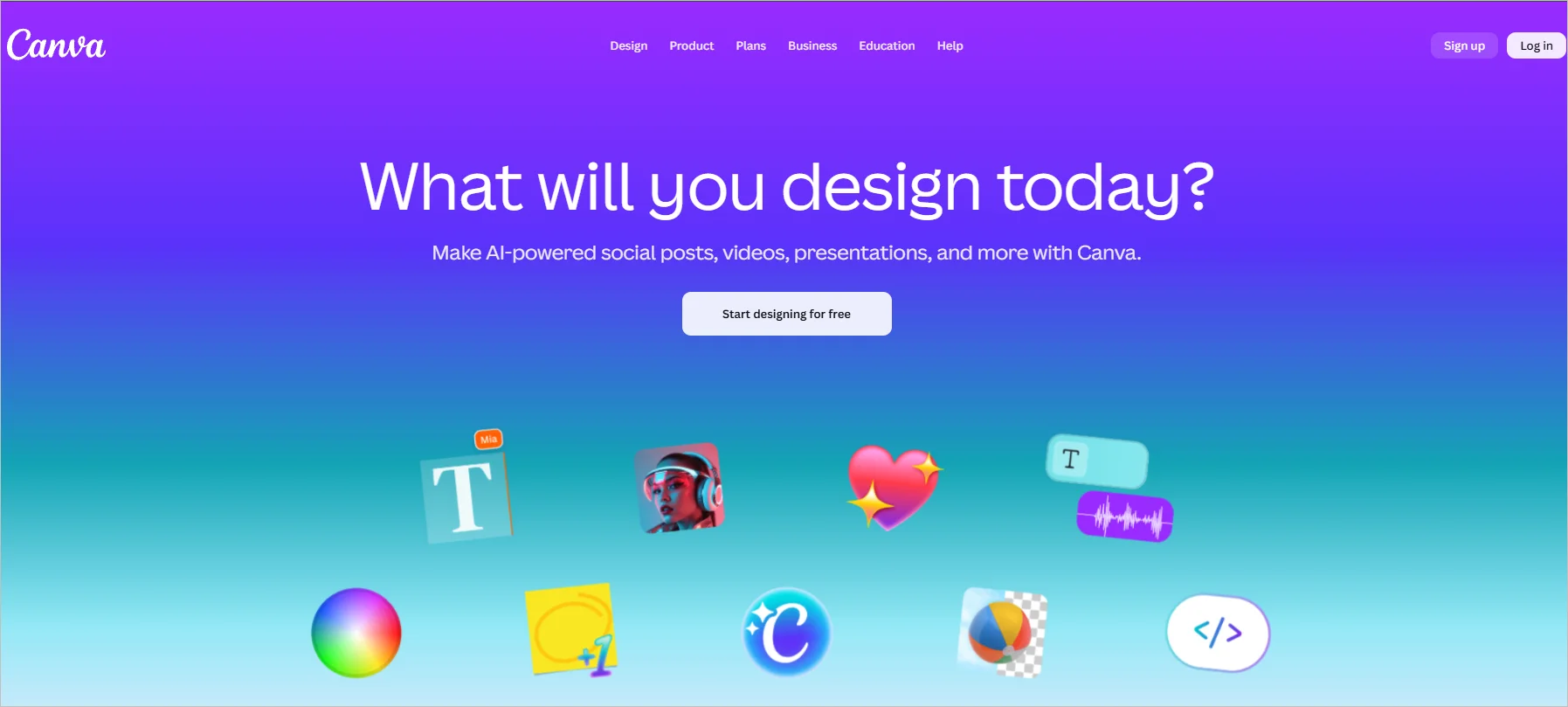
Companies use Canva to create social media posts, stories, and blog images.
Key features
- Logo maker
- Custom templates
- Video editor
Pros
- Easy to use, with intuitive design tools and templates that simplify content creation.
- Offers a large library of templates and design options for creating professional-looking visuals quickly.
Cons
- Customization and design flexibility can be limited for more advanced design needs.
Pricing
Starts at $15/month
Free plan: 30 days
28. Wix
The Wix platform allows users to easily create their own websites with no coding required. The platform has several templates for users to choose from and customize their websites to their liking.
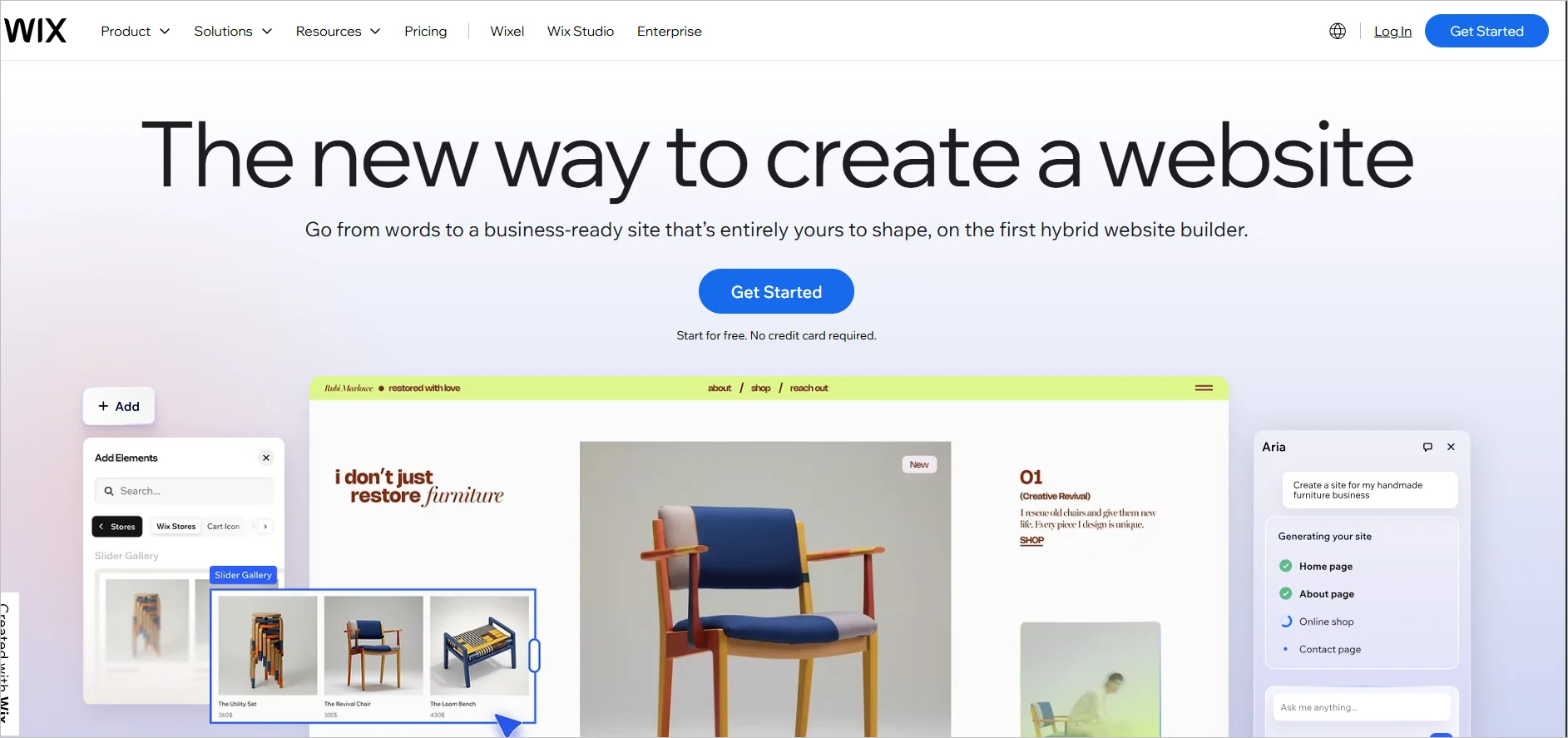
With the help of Wix’s user-friendly website builder, you can quickly and easily construct a website.
Key features
- Free domain for a year
- Site analytics
- Marketing suite
Pros
- Easy to use, allowing users to build websites without coding.
- Offers a drag-and-drop editor and a wide selection of customizable templates.
Cons
- Premium features and upgrades can increase overall costs.
Pricing
Starts at $17/month
Free trial: Free plan available
Marketing automation
Marketing can be resource-intensive at times. Modern SaaS tools have made it easier and cheaper for companies to reach potential clients and expand their customer base. Below are some good SaaS examples of marketing automation software.
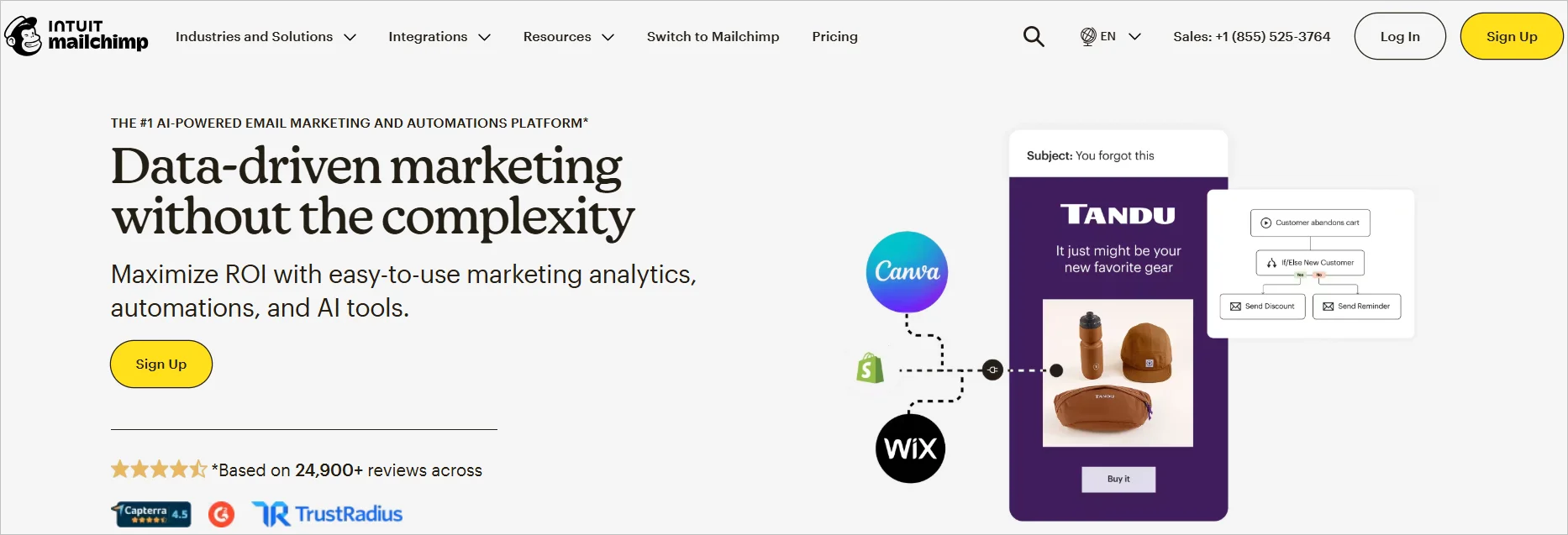
29. Mailchimp
Mailchimp is a SaaS application for email marketing founded in 2001 to help companies conduct targeted campaigns. It can help companies increase conversion rates by building strong customer relationships through email.
Key features
- Customer journey builder
- Generative AI content
- Advanced reporting and analytics
Pros
- Easy to use, with a drag-and-drop editor and pre-designed email templates.
- Offers strong automation, audience segmentation, and campaign reporting features.
Cons
- Pricing increases as contact lists and subscriber counts grow.
Pricing
Starts at $10/month for 500 contacts
Free trial: 30 days
30. Klaviyo
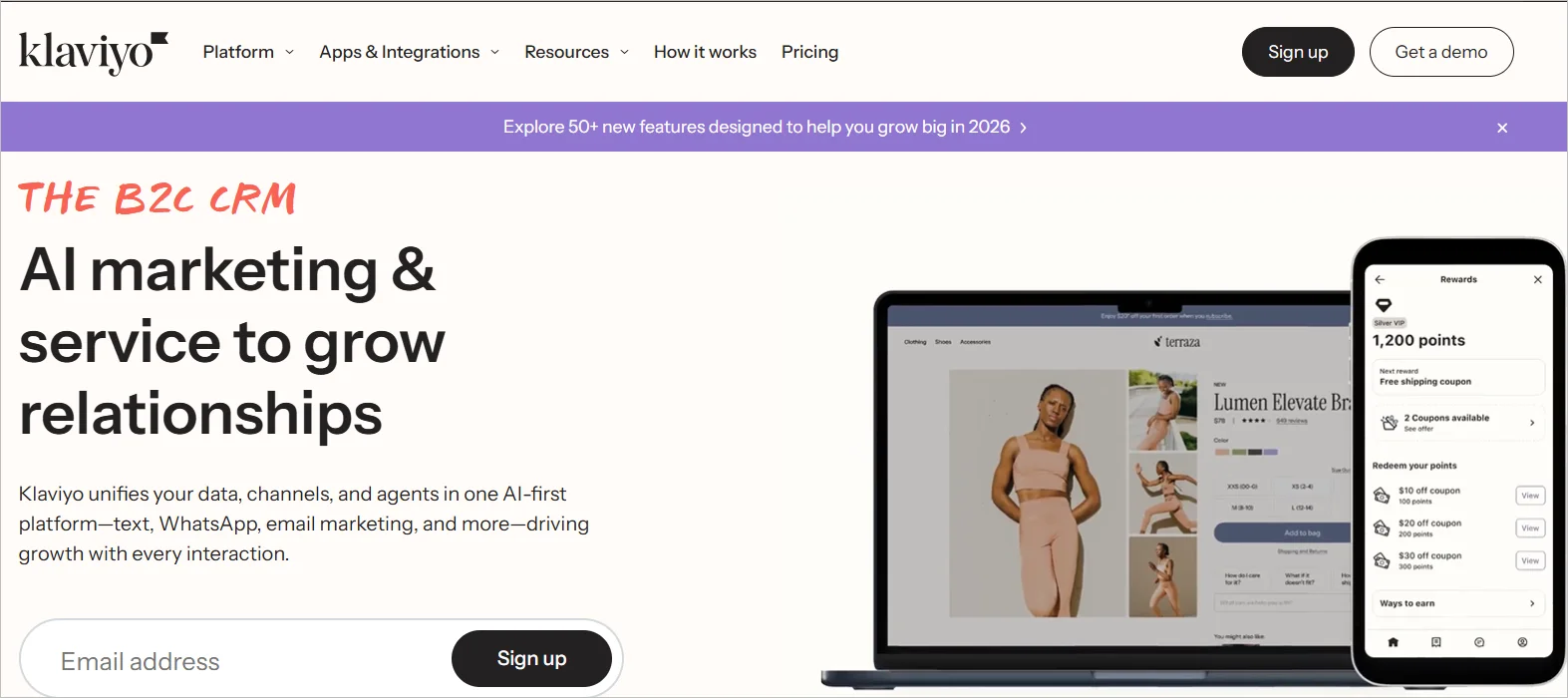
Klaviyo is an email marketing SaaS application that lets you create personalized email campaigns to target different customers. Brands use Klaviyo to drive customer engagement through emails and SMS.
Key features
- Marketing automation
- Custom templates
- Web forms
Pros
- Easy to use, with an intuitive interface for managing email and SMS campaigns.
- Powerful automation and integrations help create personalized marketing campaigns.
Cons
- Some users report a steep learning curve for advanced features and workflows.
Pricing
Starts at $45/month for 15,000 emails
Free trial: A free version is available, but is limited to 500 monthly emails.
31. ActiveCampaign
ActiveCampaign helps brands draft and send emails to contact lists. Companies use the SaaS application to schedule emails, messages, and even appointments, helping to capture leads.
Key features
- AI-powered automation
- Personalized emails
- Multi-channel offerings
Pros
- Powerful automation and contact management features for targeted customer engagement.
- Easy CRM integration and customer segmentation capabilities.
Cons
- Some users report a learning curve and occasional workflow or automation issues.
Pricing
Starts at $15/month
Free trial: 14 days
Inventory management
SaaS applications have changed how brands market their offerings and manage inventory today. A crucial part of businesses nowadays is keeping and managing stock records. Below are some SaaS examples of inventory management software:
32. NetSuite
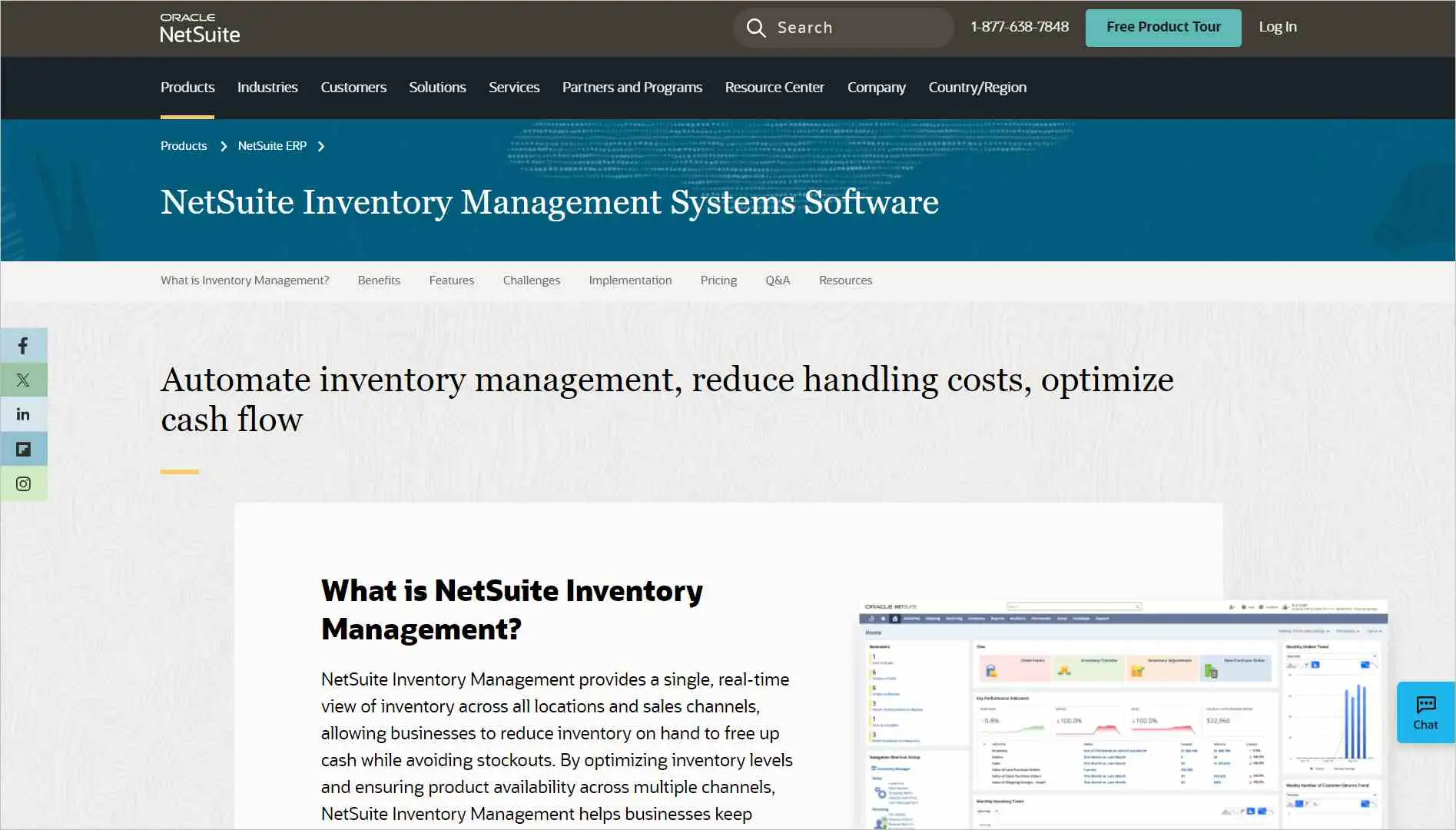
The NetSuite software provides a real-time view of your inventory across different locations. It helps brands manage their inventory, ensuring good organization and product availability.
Key features
- Real-time inventory view
- Automated inventory tracking
- Analytics and reporting capabilities
Pros
- Offers powerful reporting and automation to streamline business operations.
- Highly customizable and scalable for growing businesses.
Cons
- Licenses and additional costs can be expensive for some organizations.
Pricing
Contact sales
Free trial: Contact sales
33. QuickBooks
QuickBooks is a popular inventory management SaaS app. Stores can use it to monitor inventory, receive alerts when it’s time to restock, and gather insights on what to buy and sell.
Key features
- Inventory tracking
- Restock alerts
- Product reports
Pros
- Simplifies accounting, invoicing, and expense tracking.
- Offers strong reporting and financial management features.
Cons
- Pricing can increase as additional features or users are added.
Pricing
Starts at $19/month
Free trial: 30 days
34. Fishbowl
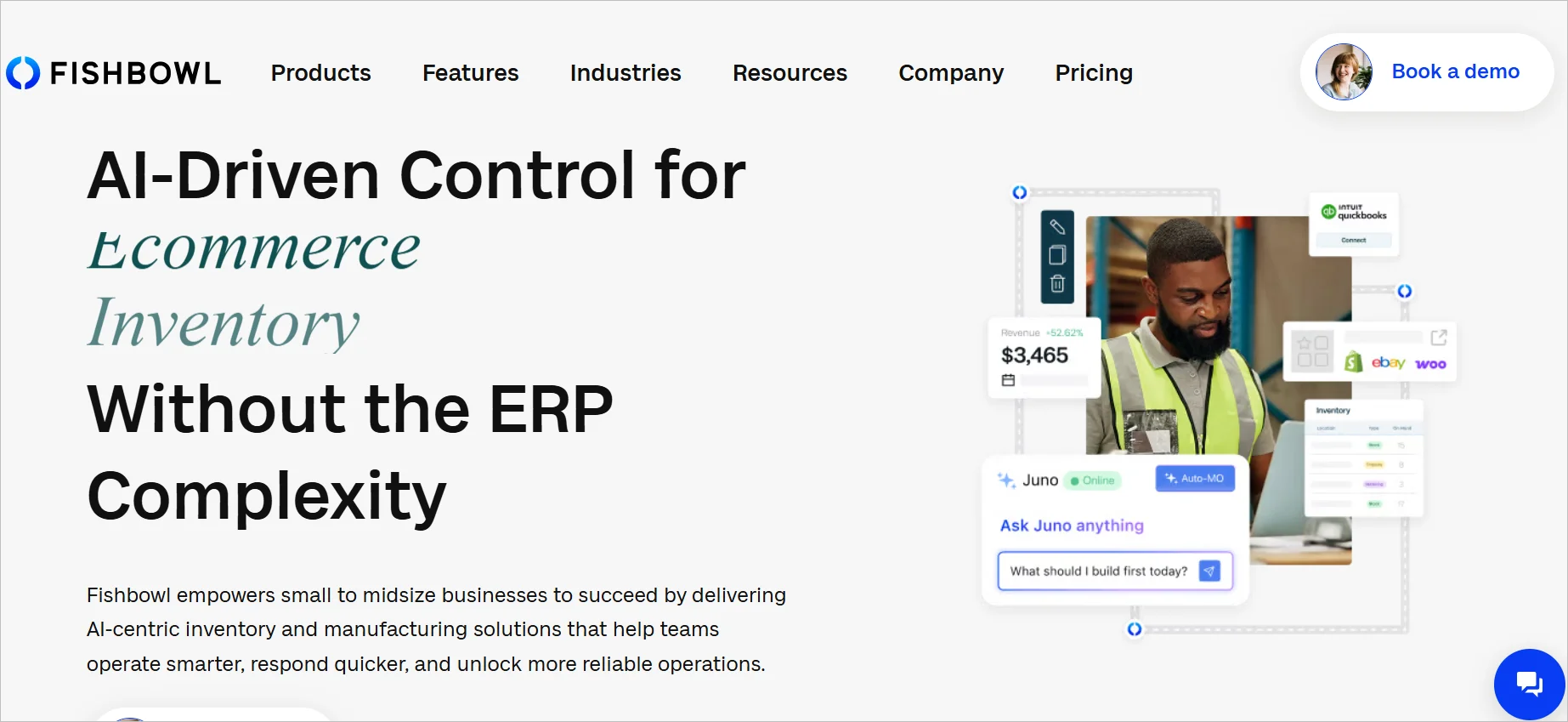
Fishbowl is a SaaS application for tracking inventory. It gives users a clear view of their inventory across all locations and provides useful insights.
Key features
- Customizable workflows
- Automated reporting
- Reporting
Pros
- Strong inventory tracking and management, from raw materials to finished products.
- Integrates well with QuickBooks, shipping platforms, and ecommerce systems.
Cons
- Some users report slow reporting, mobile app performance issues, and increasing costs.
Pricing
Fishbowl provides custom pricing for different business needs.
Free trial: 14 days
E-signature
E-signature has become the norm as companies transition towards a paperless and digital mode of conducting business. Nowadays, you can digitally sign documents and share them with other stakeholders online, saving time and money.
Below are some good SaaS examples of e-signature apps.
35. BoldSign
Using BoldSign, you can sign a digital document, track it, and manage it. This SaaS tool also has several features, including bulk signing, user management, and mobile support.
Businesses like real estate companies use BoldSign to sign legal contracts.
Key features
- Automated reminders
- Template sharing
- Custom fields
Pros
- Easy-to-use electronic signature solution with a simple signing workflow.
- Offers secure e-signatures, reusable templates, and robust API integrations.
Cons
- Some users report challenges managing large numbers of templates and document organization.
Pricing
Starts at $5/month
Free trial: 30 days
36. Docusign
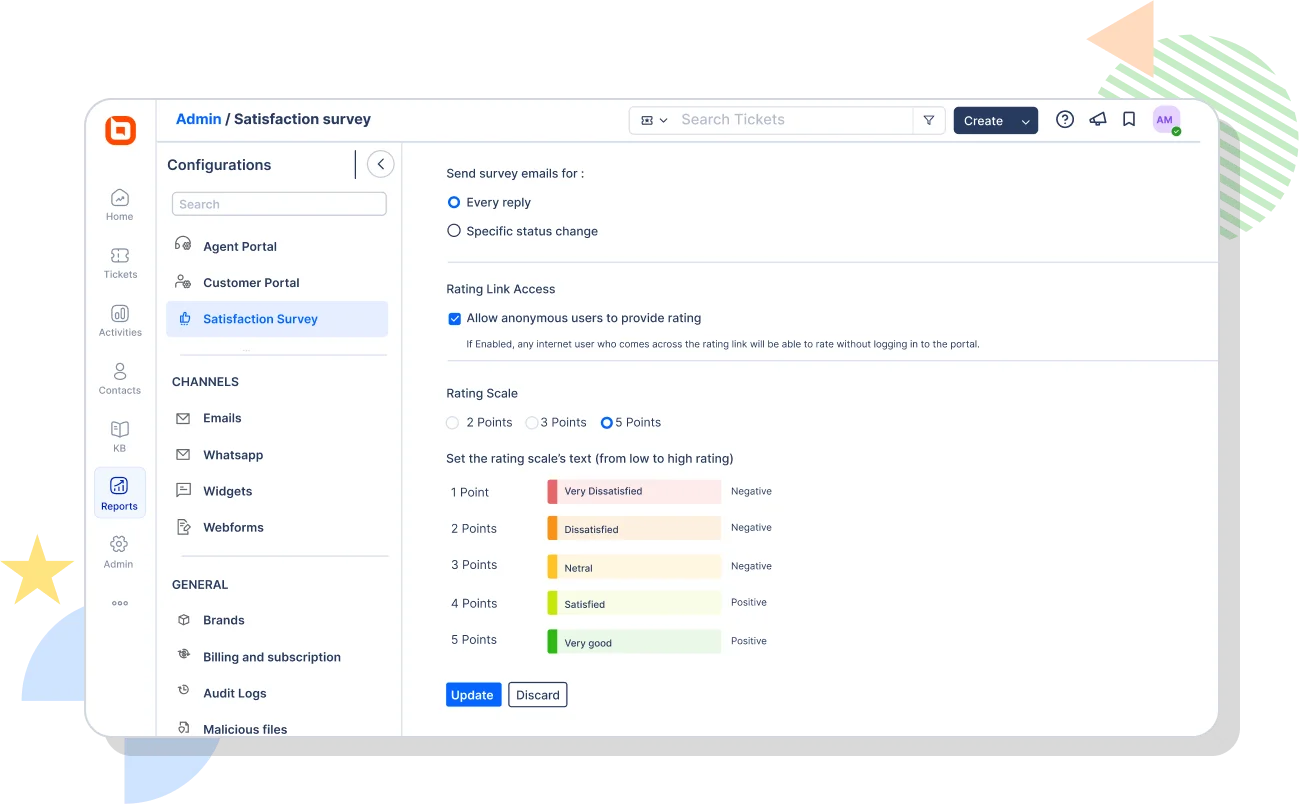
A popular e-signature SaaS example, Docusign helps brands sign digital files. Banks use Docusign to share documents so clients can approve certain transactions without physical copies.
Key features
- Shareable templates
- Multiple integrations
- Collaborative commenting
Pros
- Easy to use for sending, signing, and tracking documents electronically.
- Helps organize document workflows with secure e-signatures and automated notifications.
Cons
- Pricing can become expensive for high-volume document signing.
Pricing
Starts at $10/month
Free trial: 30 days
37. Nitro Sign
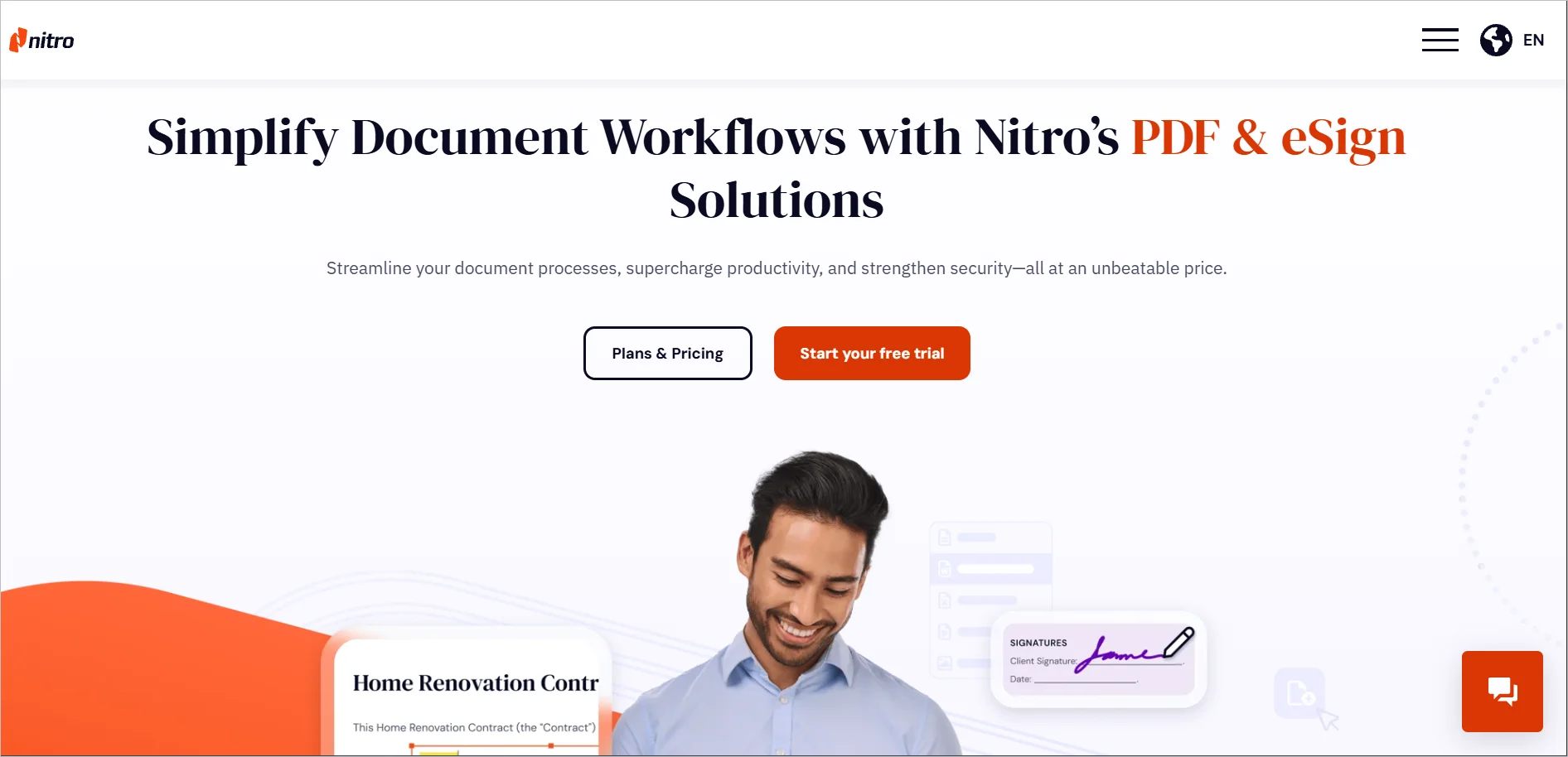
Another popular e-signature SaaS example is Nitro Sign, which is used by brands to sign and share documents online. Companies can use Nitro Sign to sign legal contracts.
Key features
- Unlimited eSignature requests
- Track signature requests
- Audit trails
Pros
- Easy to use, with a clean interface for signing, sending, and tracking documents.
- Integrates well with Nitro PDF and helps streamline secure document workflows.
Cons
- Some users report occasional crashes and stability issues.
Pricing
Starts at $17.40/month
Free trial: 14 days
Future-proof your business with the best SaaS applications
As technology evolves, businesses continue to adopt SaaS applications to improve efficiency, streamline operations, and solve industry-specific challenges.
The SaaS market continues to expand, giving organizations more options than ever before.
When evaluating SaaS products, consider factors such as features, scalability, integrations, ease of use, security, customer support, and pricing.
The right solution depends on your organization’s specific requirements, budget, and long-term goals.
We hope this article was helpful. Are there any software-as-a-service examples you think we should include? Please share in the comments below.
Related articles
- 33+ Best SaaS Tools for Businesses [2026]
- 15+ Best Small Business Tools & Software (2026)
- 11 Best Help Desk Software for Small Business in 2026