


TL;DR: Customer service involves helping customers before, during, and after a purchase to ensure smooth experience and problem resolution. It shapes brand perception, drives loyalty, and directly impacts business growth. Effective service blends communication, empathy, speed, and the right tools to deliver consistent, high‑quality support across channels.
With customers anticipating every interaction to feel seamless, personal, and instantly helpful, companies can no longer afford gaps in the support experience.
While 66% of brands believe they’re delivering great experiences, only 17% of customers agree. (Businesswire)
That disconnect makes customer service more than just a support function; it’s the heartbeat of modern business.
It shapes trust, influences buying decisions, and determines customer perception, whether to stay loyal or switch.
In this article, we will delve into the world of customer service, explore its importance, types, and share insights on how you can provide the best possible customer experience.
What is customer service?
Customer service is the support and assistance businesses provide before, during, and after a purchase to help customers resolve issues, understand products, and complete tasks successfully.
It includes answering questions, troubleshooting problems, offering product guidance, and ensuring customers have a smooth experience throughout their journey.
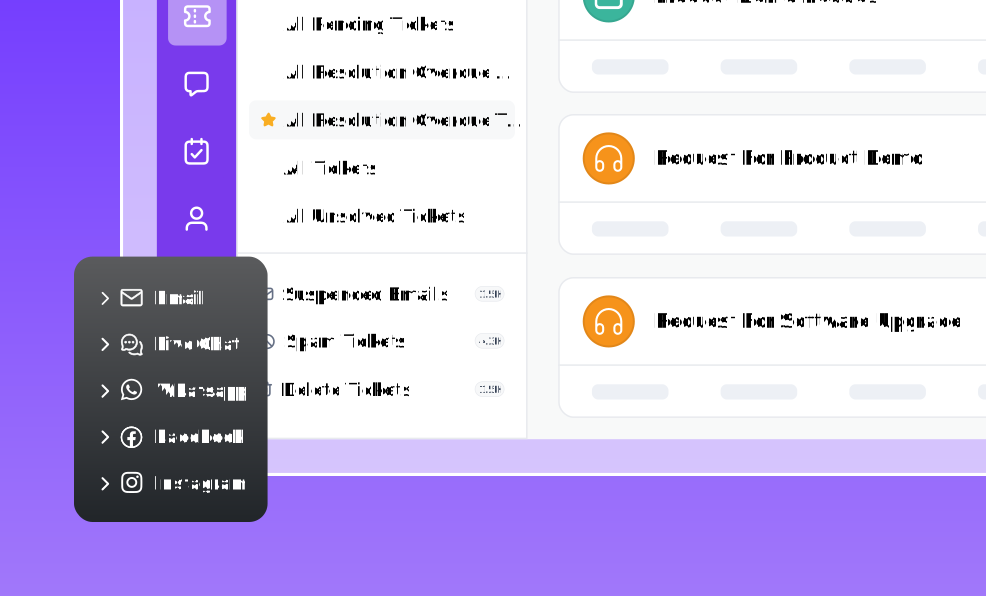
Businesses deliver customer service through channels such as phone, email, live chat, social media, and self-service platforms.
Why is customer service important for business growth?
The quality of customer service you provide can significantly influence the success or failure of your business.
Let’s delve into the significance of good customer service and how it impacts business growth.
Improves customer retention
Strong customer service directly fuels business growth by keeping customers coming back. When people feel supported and valued, they’re far more likely to remain loyal to a brand.
Salesforce reports that a positive customer service experience motivates 91% of consumers to keep purchasing from the same brand.
A great support experience also helps turn short‑term losses, such as easy returns, into long‑term gains by building trust and loyalty.
Strengthens brand reputation and trust
Customer‑facing teams shape how the public perceives your brand. Every helpful interaction strengthens your reputation, encourages positive reviews, and attracts new customers through genuine word-of-mouth recommendations.
Excellent service enhances trust and influences how customers view the quality of your products and services.
Improves employee satisfaction and morale
Support agents can only deliver great service when they have strong policies, proper training, and the right tools. Without these, agents may feel overwhelmed and discouraged.
When a company invests in its employees, they feel supported, more confident in their roles, and motivated to provide exceptional service, which directly benefits customers.
Encourages positive word-of-mouth and referrals
Few marketing strategies outperform a heartfelt recommendation. When customers enjoy their interactions, they naturally share those experiences with friends, family, and colleagues, often on social media.
According to Qualtrics XM Institute, 94% of American customers will recommend a company whose service they rate as “very good”.
These referrals expand your reach at no additional cost and inspire new customers to choose your business.
Increases customer lifetime value
Customer service plays a major role in boosting customer lifetime value (CLV), the total revenue a customer brings to your business over time.
When people receive consistent, high‑quality support, they tend to purchase more frequently or increase their average order value. A rising CLV strengthens your revenue without requiring additional marketing spend.
What are the types of customer service?
Businesses support customers through multiple channels depending on their needs and the complexity of the issue. Each type of customer service offers different advantages for communication, speed, and scalability.
Below are the most common types of customer service used by modern organizations.

Phone support
Phone support allows customers to speak directly with a support agent in real time. It is especially useful for resolving complex issues that require detailed explanations or immediate assistance.
Email support
Email support enables customers to send inquiries and receive detailed responses. It works well for non-urgent issues that require documentation, troubleshooting steps, or attachments.
A good tool for this method of customer service is email ticketing software, which automatically converts emails to tickets, enabling efficient tracking, assignment, and resolution of customer issues.
Live chat support
Live chat provides real-time messaging support through websites or apps. It helps businesses answer quick questions and guide customers through tasks without requiring a phone call.

Social media customer service
Businesses use platforms such as X, Facebook, and Instagram to respond to customer questions and complaints publicly. Social media support also helps brands engage with customers and manage their reputation.
Social media platforms also enable the tracking of customer interactions, offering valuable insights into their behavior and preferences.
Self-service customer support
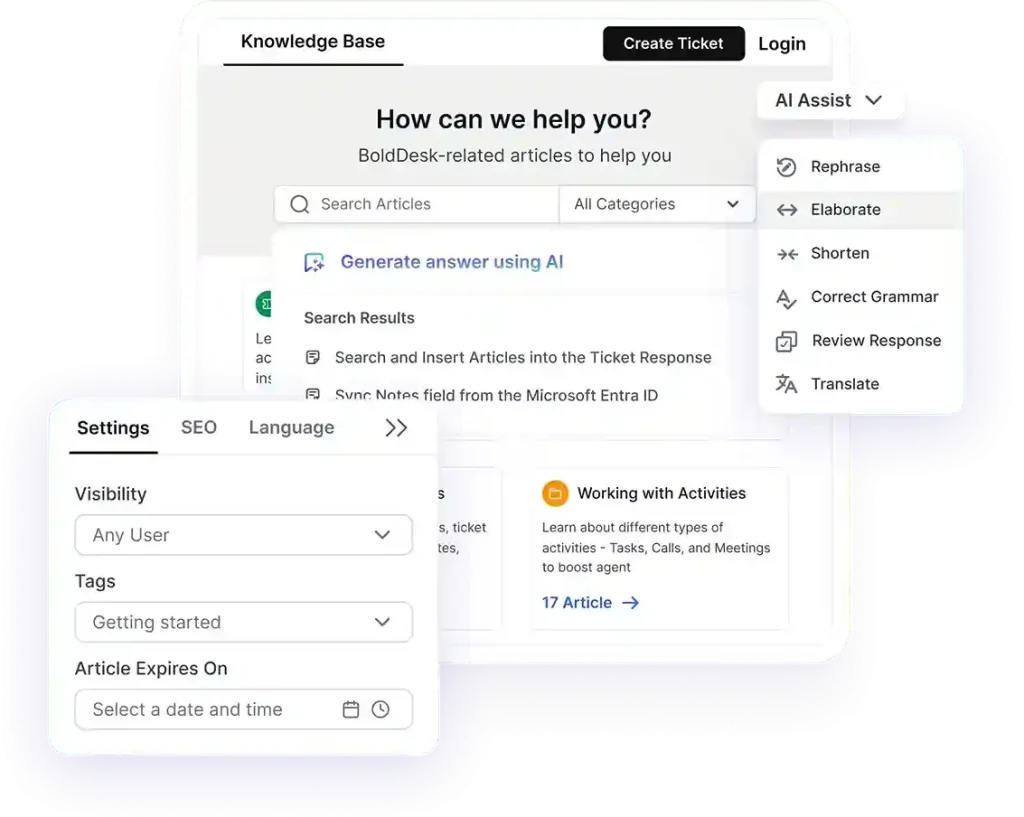
Self-service options allow customers to find answers independently through FAQs, knowledge bases, and help centers. This reduces support workload while giving customers instant access to information.
In-person support
In-person customer service involves face-to-face assistance in physical locations such as retail stores, service centers, or offices. It is often used when hands-on help or demonstrations are required.
Automated customer service
Automated customer service uses chatbots, AI Agents, and workflow automation to handle repetitive inquiries. These systems provide 24/7 support and escalate complex issues to human agents when necessary.
Community-based customer support
Community forums allow customers to help each other by sharing experiences and solutions. These communities are often moderated by company staff and are common in SaaS and technology products.
How to deliver excellent customer service
The following are some customer service tips you should implement.
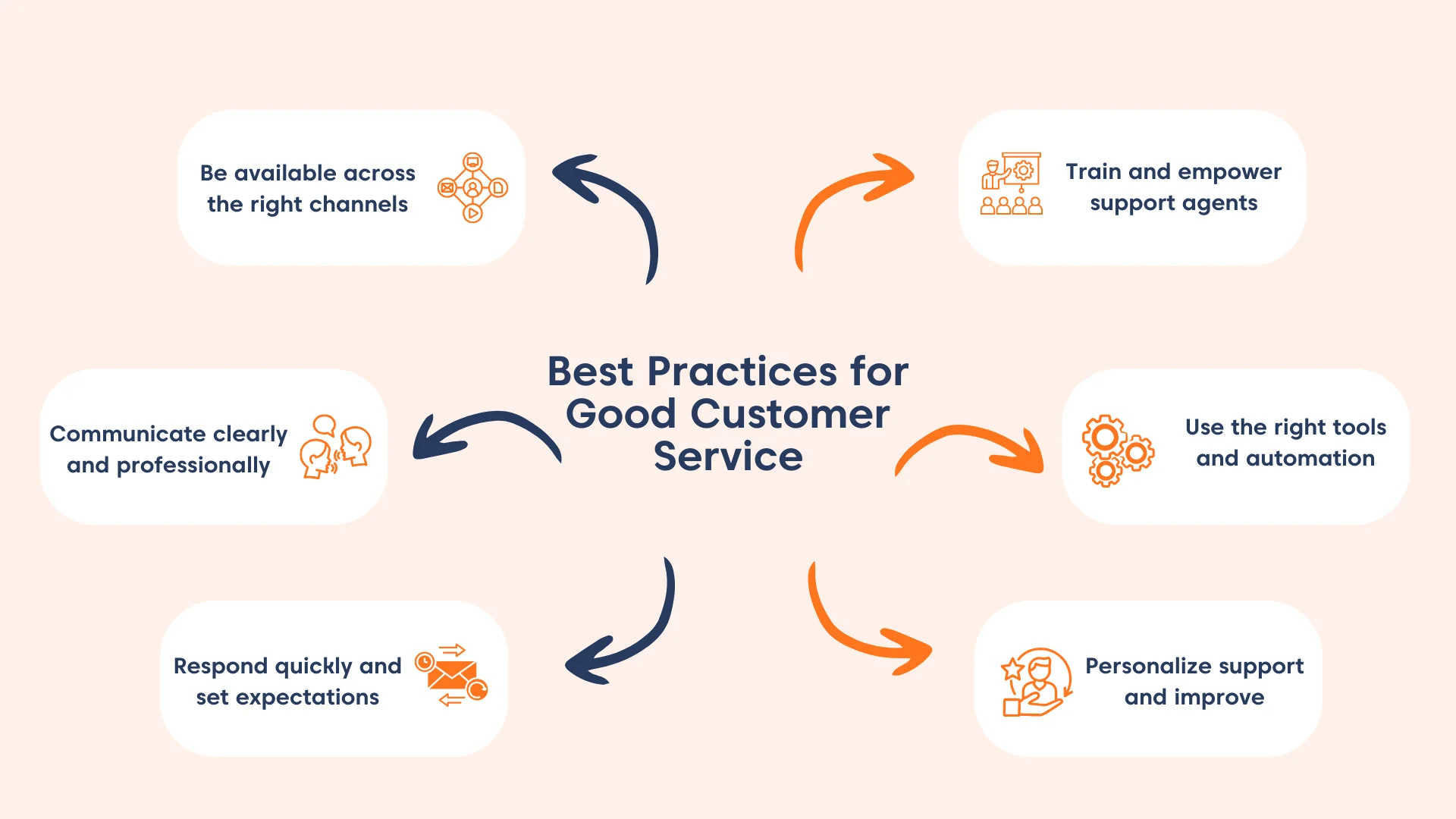
Be available across the right channels
Being accessible wherever your customers prefer to reach you is essential for smooth, consistent support. Offering service through multiple channels ensures convenience and reduces friction in the customer journey.
- Offer omnichannel customer service to provide consistent support across email, chat, phone, and social platforms.
- Provide multilingual customer support to serve diverse audiences and ensure smooth communication.
- Use automated tools such as chatbots or virtual assistants for 24/7 availability.
Communicate clearly and professionally
Clear, empathetic communication builds trust and reduces frustration. Whether the issue is simple or complex, customers value timely updates and respectful interactions that help them feel heard and understood.
- Give easy-to-understand answers that help customers quickly grasp solutions.
- Maintain a professional tone during difficult interactions so customers feel respected and supported.
- Keep customers informed during issue resolution, so they always know what’s happening and what to expect next.
Respond quickly and set clear expectations
Fast responses reduce frustration and show customers that their concerns are taken seriously. Even if a full solution is not immediately available, acknowledging the issue quickly helps build trust.
Providing estimated resolution times also helps manage expectations and improve satisfaction.
Train and empower support agents
Well-trained agents provide faster and more confident support. Businesses should equip their teams with product knowledge, clear processes, and decision-making authority to resolve issues without unnecessary escalations.
Empowered agents are better able to deliver personalized and effective customer service.
Use the right tools and automation
Support platforms help teams manage requests efficiently while maintaining consistent customer service standards.
Leveraging automation and structured workflows allows teams to resolve issues faster and deliver a more consistent service experience.
- Use a ticket management system to organize, track, and prioritize every customer request efficiently.
- Break down complex issues using task management tools and assign subtasks across teams to resolve problems faster.
- Set up automated routing, SLA alerts, reminders, and escalation rules to improve speed and reduce manual workload.
Personalize support and improve continuously
Personalization shows customers that they matter, while ongoing improvements ensure your service stays competitive.
Combining customer insights with high-quality operations leads to stronger relationships and higher satisfaction.
- Maintain detailed customer profiles and interaction histories to personalize conversations and anticipate needs.
- Use reporting and analytics to spot trends, measure performance, and continuously optimize service quality.
- Show appreciation through thank‑you messages or thoughtful follow‑ups so customers feel genuinely valued.
Essential customer service skills and traits
Exceptional support isn’t just about tools or processes; it’s powered by the skills your team brings to every customer interaction. These core abilities shape satisfaction, trust, and long-term loyalty.
The following are some examples of the top customer service skills:
- Empathy and humanity: Understand the customer’s situation, respond with patience and kindness, and acknowledge confusion or mistakes without judgment.
- Active listening: Focus fully on what the customer is saying, avoid interrupting, and make sure you capture the full details before proposing a solution.
- Transparency: Set clear expectations about timelines, next steps, and what customers can expect from your team to reduce frustration and build trust.
- Clear communication: Explain solutions in simple, straightforward language and adjust your communication style to match the customer’s needs.
- Emotional intelligence and control: Stay calm and professional even when customers are upset. Maintain emotional boundaries to avoid burnout while still showing empathy.
- Time management: Prioritize issues based on urgency and deadlines. Use guidelines and automation tools to stay efficient while handling multiple customers.
- Creativity and problem-solving: Sometimes, keeping a customer happy when things go wrong requires a bit of creativity. Provide innovative, customer‑friendly solutions when the benefit outweighs the cost.
- Product knowledge: Understand the product thoroughly. Continuous training and easy access to a knowledge base help agents deliver accurate, confident assistance.
- Responsiveness: Acknowledge customer requests quickly, even when a fix is not immediate, to show customers they’re not being ignored and their issue matters.
Customer service vs customer support vs customer experience
Although these terms are often confused, each plays a distinct role in how businesses interact with customers:
- Customer service is the overall assistance provided before, during, and after a purchase to help customers successfully use a product or service.
- Customer support is a specialized part of customer service focused on resolving technical issues, troubleshooting, and product‑related problems.
- Customer experience (CX) is the broadest concept, encompassing every interaction a customer has with a brand, from marketing and sales to onboarding, usage, and ongoing support.
Understanding differences between customer support vs customer service, and customer experience helps businesses design better service strategies and deliver more consistent customer interactions.
How does ticketing software help improve customer service?
Among other benefits, ticketing software helps your team organize and manage all its tickets. It automates the prioritization and distribution of tickets, thus reducing customer service response times.
It also automates sending acknowledgments to customers, providing them with reassurance that they’ve properly filed their tickets and outlining what they can expect after that.
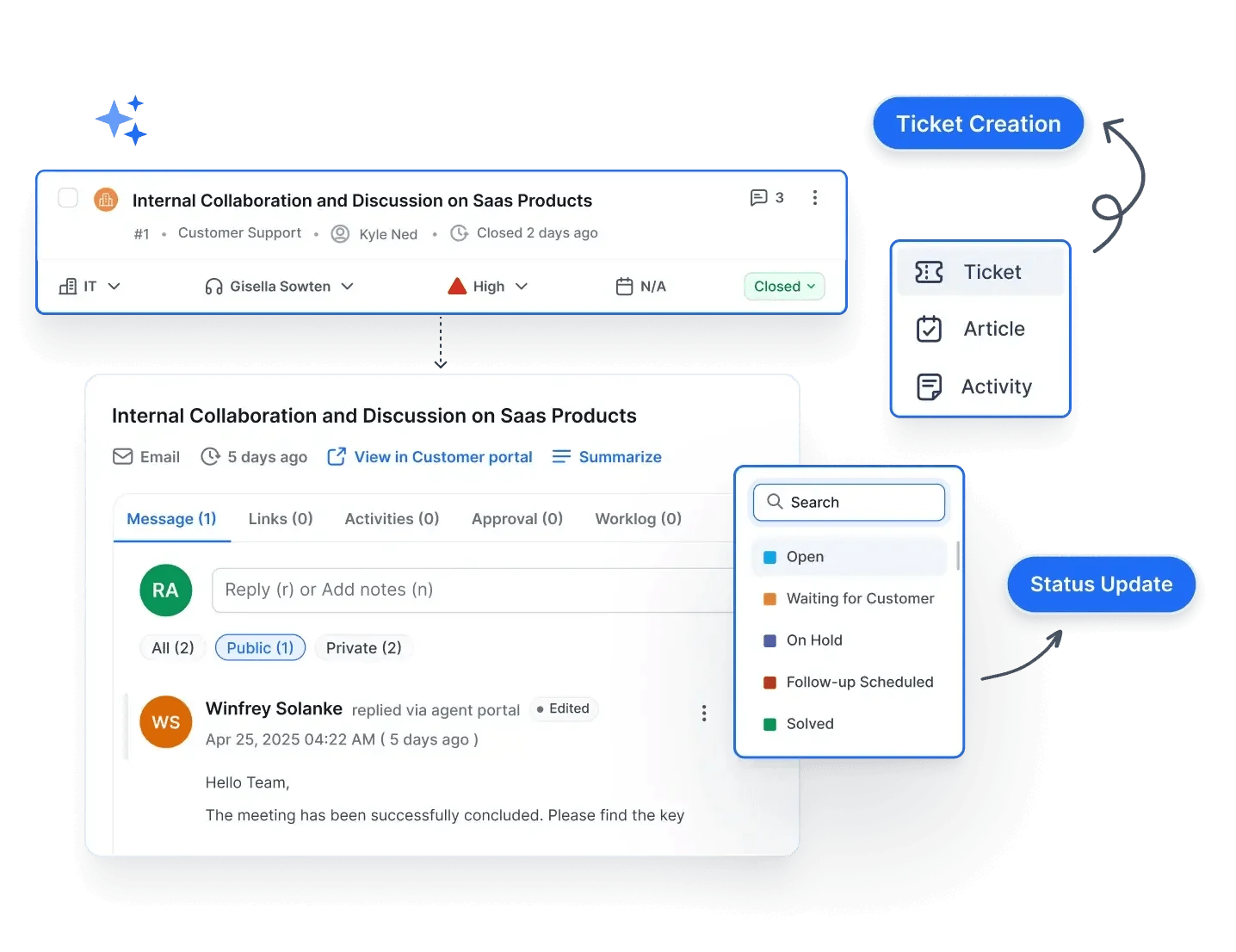
It can also organize knowledge bases for both customers and agents, making solutions easier to find.
These are just a few examples of how adopting a versatile help desk ticketing system can help an organization meet its customer service goals.
Examples of great customer service
Great customer service shines through in small, meaningful actions that resolve issues quickly and make customers feel genuinely valued.
Effective examples include:
- Resolving issues on the first interaction without transferring customers between agents.
- Proactively communicating updates about delays, outages, or service disruptions.
- Offering personalized support based on past interactions or known customer preferences.
- Following up after resolution to confirm the customer is satisfied and the problem is fully resolved.
Transform your customer service with the right help desk solution
Adopting a modern help desk ticketing system helps teams organize requests, automate workflows, and deliver faster, more consistent customer support.
BoldDesk® by Syncfusion provides you with all the help desk features you need to perfect your customer service.
Schedule a live demo or sign up for a 15-day free trial to find out how BoldDesk’s tools can be customized to suit your business needs. If you have any questions, contact the BoldDesk support team.
We’d love to hear your thoughts! Share your insights, experiences, or questions about customer service in the feedback section below.
Related articles
- 8 Easy Tips to Deliver Personalized Customer Service
- 24/7 Customer Service: A Complete Guide
- Online Customer Service [Best Ways to Improve It]
Frequently Asked Questions
Good customer service consistently meets customer expectations through fast, empathetic, and helpful support tailored to the unique needs of each customer.
Customer service refers to direct support interactions when customers seek help, while customer experience (CX) encompasses every touchpoint a customer has with a brand, from discovery to post-purchase, shaping their overall perception and emotional connection.
AI enhances customer service by automating routine tasks, enabling self-service, personalizing interactions, and improving efficiency, all while reducing operational costs and boosting customer satisfaction.
Common customer service challenges include high ticket volumes, long response times, inconsistent communication across channels, limited visibility into customer history, and managing customer expectations during peak periods.