

 In this page

TL;DR: Entertainment brands face unpredictable spikes in fan demand during launches, live events, and major releases. Self-service portals centralize FAQs, accounts, tickets, AI assistance, and community support into a single hub—helping fans get instant answers while reducing support load and operational pressure.
Entertainment audiences today expect instant access to a wide range of services, from streaming subscriptions to concert tickets and gaming accounts, without waiting in support queues.
Self-service portals in entertainment make this possible by giving fans the tools to reset passwords, upgrade plans, view watch history, download tickets, and customize preferences anytime, anywhere.
Many entertainment brands now use self-service portals to simplify fan experiences and reduce support dependency.
In this guide, we explore how a well‑designed entertainment self-service portal empowers fans with quick solutions and why these tools become essential as demand increases.
What is an entertainment self-service portal?
In entertainment customer support, these self-help portals typically handle:
- Common ticketing and access questions
- Account and subscription changes
- Streaming or platform troubleshooting
- Status updates during high-traffic moments
- Knowledge base articles, guides, and FAQs
Unlike traditional support channels, self‑service portals operate 24/7. They also scale instantly during demand spikes, making them essential for entertainment brands with global audiences.
Why entertainment support teams struggle during peak fan demand
Entertainment customer support demand is highly unpredictable. Many teams adopt entertainment customer portals to absorb spikes during high‑pressure moments.
Self-service portals in entertainment become essential when ticket releases, live streams, technical issues, and viral moments can cause an increase in fan questions across multiple channels.
Support agents often face challenges such as:
- Large numbers of fans asking the same questions at the same time
- High‑pressure situations where fans expect instant help
- Not being able to add more support agents quickly
- Information scattered across emails, chats, and social media
Without a scalable self-service portal, support backlogs grow quickly and fan trust erodes.
The power of self‑service portals for the entertainment fan experience
Entertainment audiences expect instant access to tickets, subscriptions, content, and help without delays or friction.
A fan self‑service portal gives entertainment brands a centralized, scalable way to meet that demand while reducing pressure on live teams.
Ideal entertainment self-service portals combine knowledge base access, customer portals and AI assistance into a single digital experience, helping fans resolve issues quickly while staying immersed in the entertainment they came for.

Immediate answers to repetitive questions
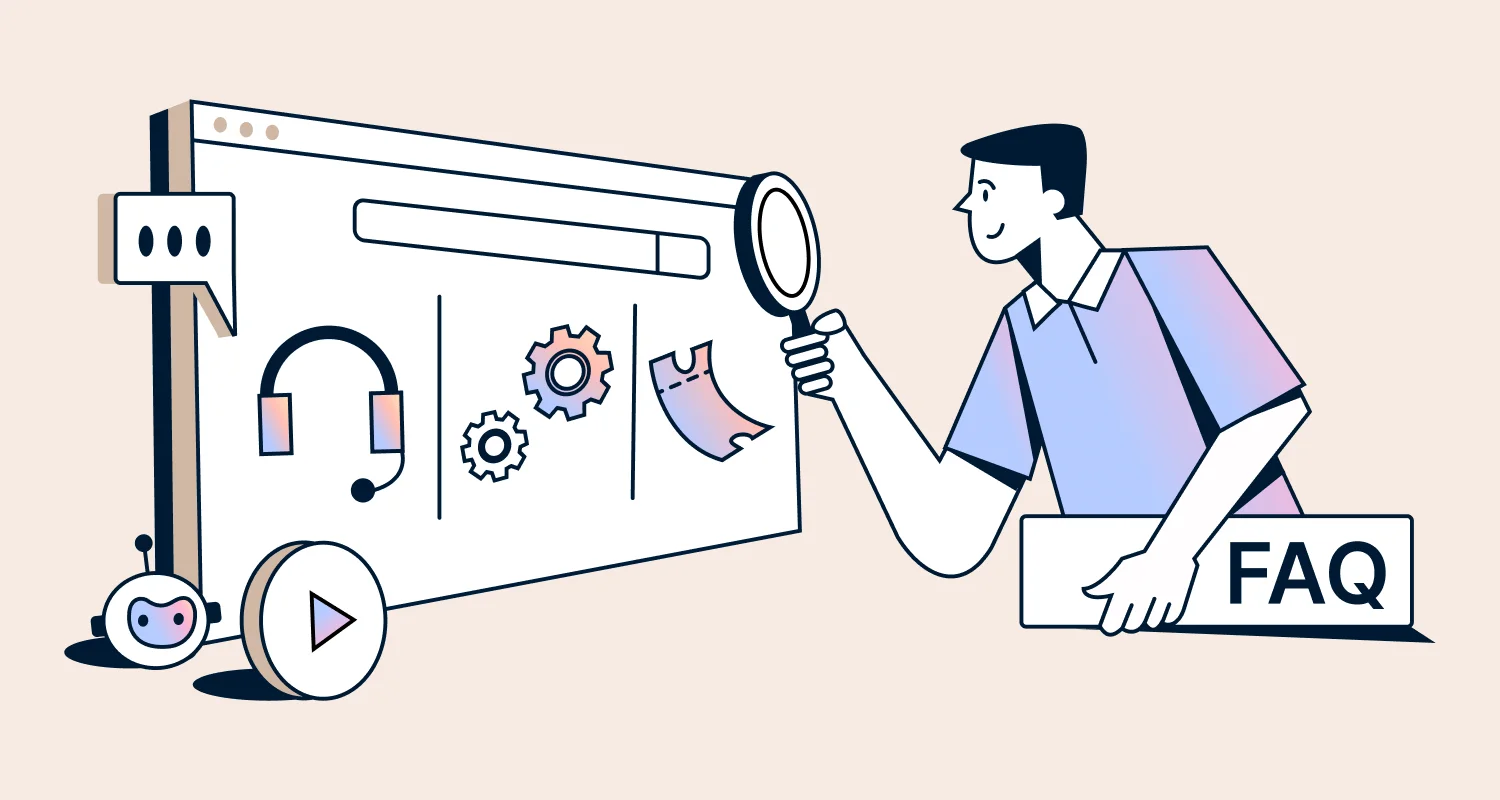
Within the entertainment self‑service portal, fans can open the built‑in knowledge base to search FAQs, follow step‑by‑step guides, watch how‑to videos, and troubleshoot issues, without switching channels or waiting for an agent.
The platform makes it easy for them to resolve common problems such as account issues, ticketing questions, and streaming errors on their own.
A recent survey reports that 75% of consumers feel frustrated by long wait times and poor issue resolution. Many organizations address this by publishing help content through self-service portals.
How this helps fans:
- 24/7 access to accurate answers right inside the portal
- Faster resolution of routine problems without adding pressure to support queues
- Reduced frustration during high‑traffic launches or event days

A well‑organized knowledge base helps fans get reliable answers quickly, supporting a smoother and more uninterrupted entertainment experience.
For fans, a simple question can feel urgent when it stands between them and a concert ticket, live stream, subscription, or game account.
Clear do’s and don’ts for entertainment help desk teams help support teams create answers that are timely, easy to follow, and reassuring when excitement is at its peak.
Centralized control instead of scattered channels
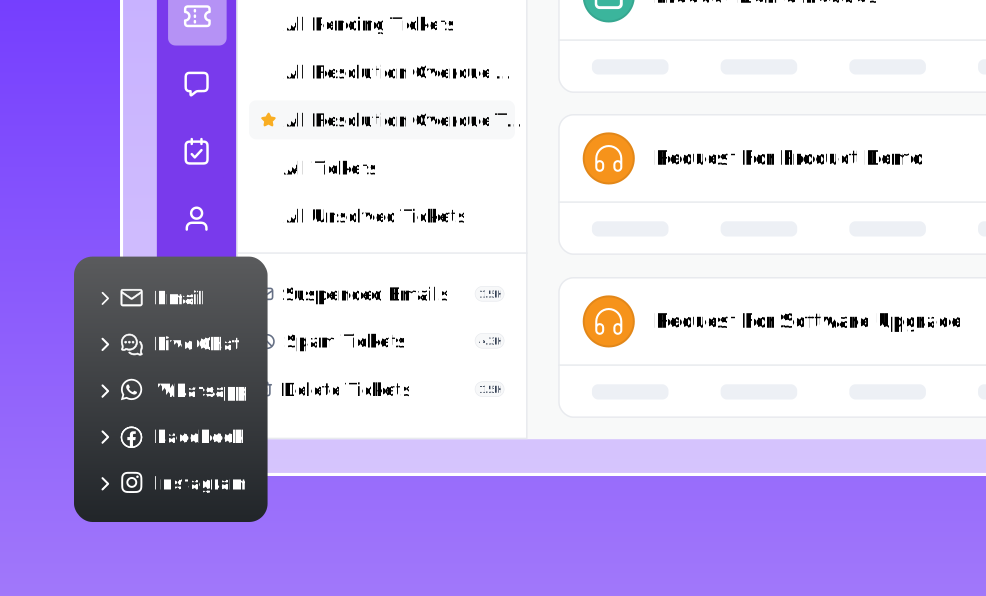
Fans can manage tickets, subscriptions, refunds, and event updates from a single entertainment self-service portal, without waiting on support or searching through emails and apps.
By bringing everything into one secure hub, fans can quickly access what they need before, during, or after an event, giving them confidence and control when it matters most.
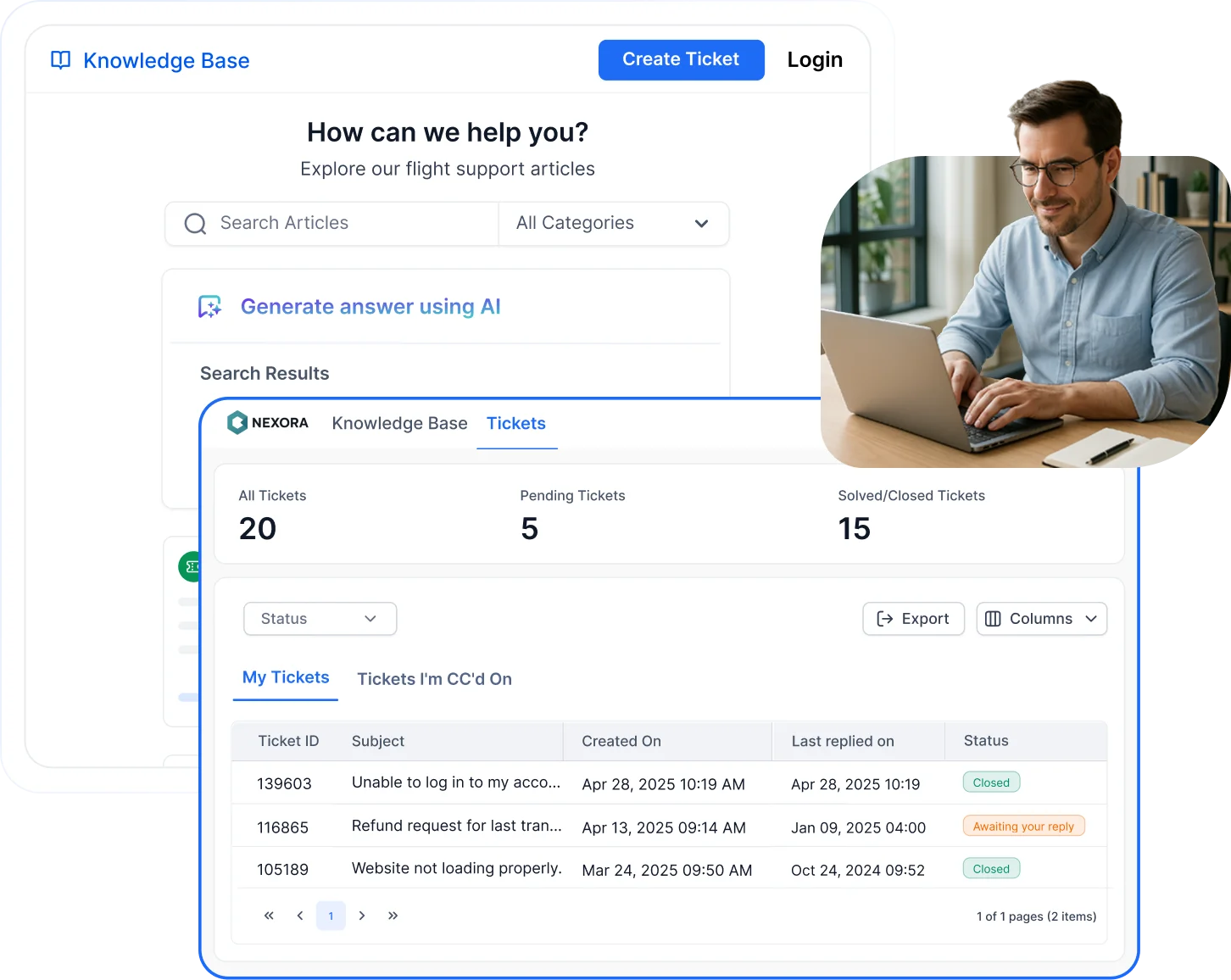
How fans gain from this:
- Quick access to past purchases, event details, and subscription activity
- Real-time visibility into request status
- Greater transparency and trust
When fans can manage everything through a single digital self-service platform, support becomes transparent, efficient, and stress-free.
Less disruption during live or time-sensitive moments
A personalized portal interface helps fans find what they need faster. In-context help and real-time updates allow fans to resolve issues without leaving the experience they came for.
How this supports fans:
- A familiar, brand‑aligned interface
- Quick access to relevant information
- A smoother path between support tasks and entertainment activities
Personalized portals reduce fan friction and increase retention during live events.
Always-available support for global audiences
Entertainment brands can leverage an AI agent within the self‑service hub. It understands fan questions in natural language and connects to ticketing, subscription, and account systems through secure APIs to deliver real‑time solutions.
AI assistants can retrieve missing tickets, resend confirmations, and automatically complete quick updates.
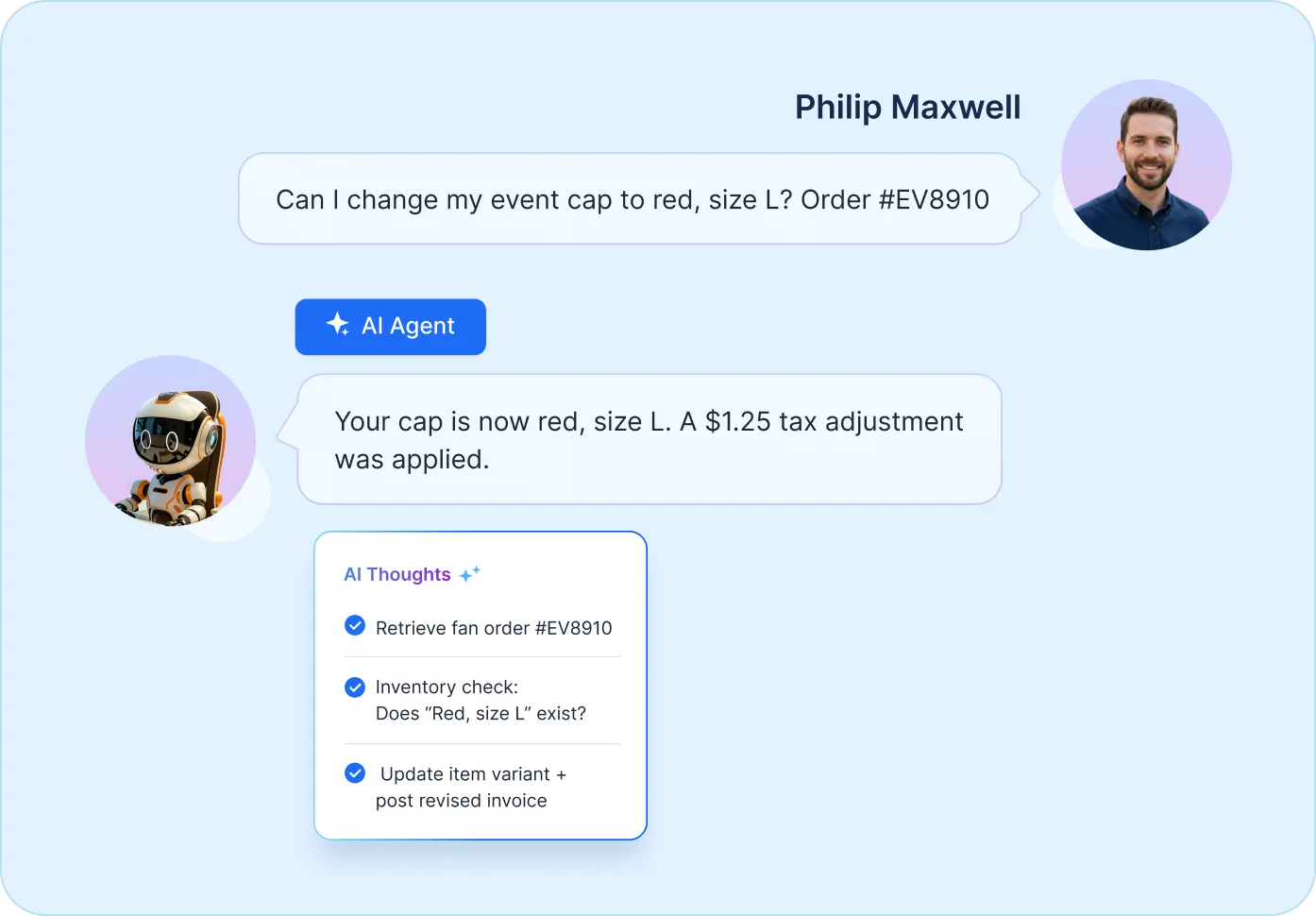
How this aids fans:
- Instantly understand fan requests and pull ticket, subscription, or account details through connected APIs
- Automatically complete tasks like resending tickets, checking orders, or updating information without human involvement
- Provide consistent, multilingual, 24/7 support so fans get help during streams, events, and releases
AI agents help maintain consistent entertainment customer support availability, especially during major launches, busy event days, and unexpected spikes in demand.
More engagement through peer‑driven community support
Community spaces within the self‑service portal allow entertainment followers of a specific brand to ask questions, share solutions, exchange tips, and troubleshoot issues together.
These peer‑driven interactions reduce repeated inquiries and give fans a place to learn from others with similar experiences.
How this supports audience members:
- Faster solutions from experienced peers who have faced similar issues before
- Less reliance on support agents for routine questions
- Greater engagement within the fan community through shared insights
A well‑moderated forum fosters a sense of belonging and enables effective peer‑to‑peer problem‑solving, easing the workload on support agents.
Popular use cases of self‑service portals in entertainment industry
Self‑service portals in entertainment allow fans to independently manage tickets, update account details, adjust subscriptions, resolve streaming issues, and access content information.
This capability extends seamlessly to essential use cases across livestream events, artist fan ecosystems, and digital entertainment platforms.
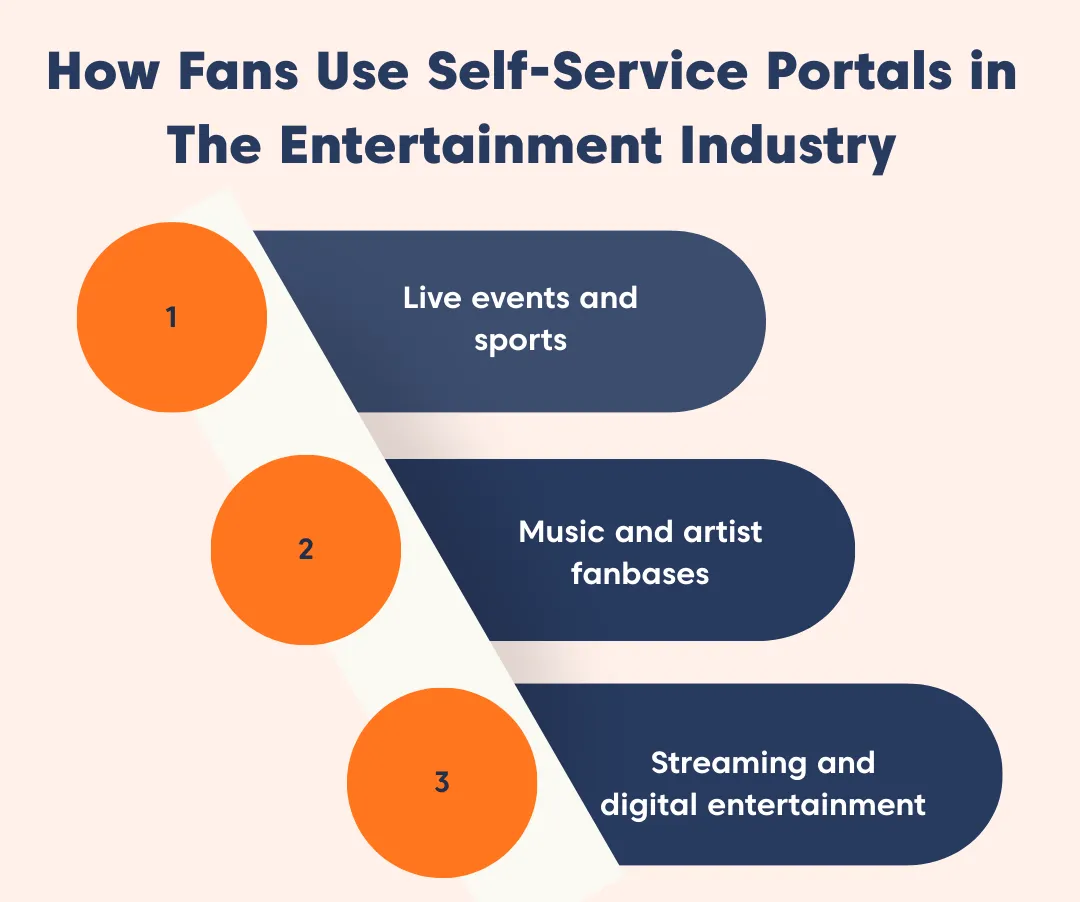
Live events and sports
Live events generate rapid, high-volume inquiries around ticket access, seating details, gate entry rules, and real-time event updates.
A self-service platform unifies all essential information, such as ticket availability, entry instructions, transfer options, and event‑day alerts, so fans don’t rely on agent responses during critical moments.
This helps reduce sudden surges in support traffic caused by last‑minute questions, ticket issues, or unexpected event changes, keeping fans informed from one reliable location.
Music and artist fanbases
Music brands use self-service tools to deliver exclusive updates, early announcements, and loyalty perks directly to fans.
A secure, dedicated hub allows fans to access personalized content, manage memberships, and stay connected to their favorite artists without adding pressure to agents.
This setup strengthens fan engagement and reduces repetitive questions that often overwhelm social channels during releases, tours, or major announcements.
Streaming and digital entertainment
Streaming platforms face recurring support requests for subscription changes, playback errors, device issues, and account access.
This aligns directly with the self-service workflows of streaming services.
A centralized digital hub helps viewers resolve these issues instantly through:
- Troubleshooting guides
- Step‑by‑step instructions
- Automated account tools
This approach reduces repeat tickets, speeds up resolutions, and keeps streaming interruptions to a minimum.
Why do fan self-service portals in entertainment industry matters
The entertainment world operates at a pace where new content, live events, and audience interactions unfold continuously.
As this landscape evolves, many teams prioritize an entertainment self-service portal to anchor their support strategy.
Some of the benefits of these self-service portals in entertainment brands include:
- Immediate access to information: Fans can resolve issues at any time, without waiting for business hours or support availability.
- Reduced support volume: Common issues are handled without agent involvement.
- Improved fan experience: By resolving routine issues themselves, fans avoid the frustration of support back‑and‑forth and remain engaged in the event, show, or stream.
- Operational efficiency: self-service interactions cost significantly less than live support.
Improve support experiences with entertainment self‑service portals
As entertainment evolves into a world of real-time premieres and global hybrid events, support demand peaks exactly when fans are most engaged.
Self‑service portals in entertainment make it easy for fans to manage tickets, subscriptions, and playback issues directly within the platform.
By empowering fans with a dedicated hub to resolve routine queries independently, brands can deflect high-volume requests and safeguard their customer support operations against the unpredictability of a launch day.
For support leaders evaluating scalability, mapping your digital self-service platforms to the use cases above is a practical next step.
See how entertainment help desk platforms help teams to scale self-service without increasing headcount.
Related articles
- 20+ Top Knowledge Base Examples to Boost Self-Service Support
- What is Web self-service? Types, Best Practices, and Examples
- Role of self-service in Modern Help Desk Solutions
Frequently Asked Questions
No. Self‑service portals in entertainment industry only cover routine tasks such as subscription updates, ticket access, and basic troubleshooting.
Support agents are still required for priority issues, such as event disruptions, payment failures, fraud concerns, or cases needing personalized assistance.
Entertainment brands should look for a self‑service portal with a built-in knowledge base, secure fan access, ticket and account tools, AI-assisted responses, community forums, multilingual support, real-time updates, analytics, and clear escalation paths.
Self‑service portals are important for entertainment brands because they reduce support volume, shorten wait times, and keep fans engaged during high‑pressure periods like livestreams, ticket drops, and major releases.