

TL;DR: Effective retail customer service builds loyalty, boosts satisfaction, and drives repeat purchases. Deliver standout experiences by empowering agents, using omnichannel support, offering self-service tools, leveraging automation, and personalizing interactions. Strong communication, proactive service, and clear KPIs help retailers resolve issues faster and create consistent, memorable customer journeys.
For retail businesses, customer support shapes every shopping experience and influences how customers feel about your brand long after checkout.
In a market overflowing with choice, great retail customer service often becomes the deciding factor that separates one retailer from another.
According to PwC, 29% of customers stopped using or buying from a brand due to poor experience, either online or in-store.
Sometimes, even a simple “hello,” helpful product guidance, or a confidently resolved issue can influence whether shoppers choose your brand again in the future.
This article gives the best retail customer service strategies to help grow your business and keep your customers happy.
What is retail customer service?
Retail customer service is the support a retailer provides before, during, and after a purchase, across in-store and digital channels to help customers choose products, solve problems (returns, delivery issues, payments), and complete tasks quickly.
The primary objective of retail customer service is to ensure that all customers are happy with their purchases and want to come back again for additional purchases.
Some of the ways of providing good retail customer service may include:
- Taking care of issues such as complaints, returns, and exchanges.
- Assisting customers in identifying goods and services that suit their requirements.
- Suggesting or recommending goods or services that will make the customers’ shopping experience memorable.
- Providing information pertaining to product availability, pricing, features, and store policies.
Offline vs online retail in the digital shopping age
Retail has shifted from being primarily offline to a mix of online and omnichannel retail services because digital shopping has expanded what customers expect and how far businesses can reach.
As e-commerce grows rapidly, even traditionally offline retailers are moving online or blending both to stay competitive, making consistent, multi-channel customer service a must. This includes:
- Consumers aren’t limited to local stores anymore; they can shop online for everyday needs and apparel.
- Major offline retailers are going online or adopting omnichannel models to serve both in-store and digital shoppers.
- Global digitalization has expanded retailers’ reach beyond local areas to national or international markets.
- This shift raises the bar for retail customer service: brands must support customers on the channels they prefer and deliver a seamless customer experience in retail across platforms.
Importance of customer service in the retail industry
The success of any business majorly depends on how well they manage their retail customer service. Below are some of the main advantages of good retail customer service:

Enhances customer trust and loyalty
When a customer receives special attention and is well-appreciated, they tend to develop an emotional connection with the retail stores. This makes them trust the company
Helps to improve reputation
Customers are always ready to share their positive experiences with others, either verbally or through online reviews.
Retail brands that offer high-quality customer service and have a good reputation will always retain their customers and attract new ones, thus creating a strong foundation for the prosperity of a business.
Assists in increasing sales
When customers feel valued and receive personalized support, they tend to make additional purchases and tell more people about the store.
It is easier for a company that provides excellent services to upsell or cross-sell their products, as the customers believe that they will have a good experience as they did before or even better.
Elevates customer satisfaction
When a retailer quickly responds to customer inquiries, solves their issues, or even warmly greets them with a smile, they tend to have a positive impression of the service provided.
Provides a competitive advantage
Customers often gravitate towards retail companies that prioritize their needs and strive to offer the best experiences.
This means they will stand out from other competitors who do not invest in that, enabling them to reach a wider market range.
11 Best ways to improve customer service in the retail industry
To increase sales, retain loyal shoppers, and attract new customers, retailers must deliver customer service that is fast, friendly, consistent, and genuinely helpful.
Here are practical customer service tips to strengthen your support experience and set your retail business up for long-term success.

Empower your support team
Provide your team with access to customer data and conversation history, enabling them to handle customer problems faster.
Automation of routine tasks gives support agents ample time to handle other client issues that need their undivided attention.
Train employees regularly on products, company policies, SLAs, how to handle different customer situations, and the full onboarding process.
Training can include mentorship, on-the-job coaching, workshops, and short video modules that agents can revisit later.
Personalize customer experience
Customers like to be treated as individuals and not numbers. Personalized customer service involves tailoring interactions and support to the individual preferences and needs of each consumer.
According to McKinsey, 78% of customers say that receiving a personalized shopping experience will make them be repeat buyers.
This highlights that retailers should actively seek strategies to make the service more personalized to retain more customers and attract new ones.
Ways to customize your service may include:
- Calling customers by name
- Offering personalized recommendations
- Warmly greeting or welcoming customers with a smile
- Following up to know if the service provided met the customer’s preferences
Retailers can use customer data (with consent) to identify preferences, customer behavior, and personalize shopping experiences.
Have a positive attitude
A positive attitude transforms customer interactions. When retailers express a friendly but professional approach in every support conversation, it will always lighten the mood and make customers feel comfortable sharing what they need.
Ways in which retailers can express a positive attitude include:
- Owning up to mistakes
- Being sorry for any inconvenience
- Using positive language while addressing customers in case of any delays or if products are out of stock, reassuring them that all will be well
- Being timely and responsive
- Practicing empathetic listening
A positive attitude will make retail teams handle customer complaints calmly and constructively while focusing on solutions.
Being positive can ease stressful situations, promote a friendly environment, and improve customer service.
Provide self-service options
According to a Gartner survey, 73% of customers attempt to resolve issues themselves at some point in their customer service journey.
Customers feel good when they solve their problems independently. Retailers can empower buyers with various self-service resources.
- Make FAQs readily available to help answer common inquiries on apps or websites.
- Use knowledge base software containing user manuals, troubleshooting tips, and how-to videos.
- Install self-checkout systems to allow customers to complete their purchases without having to wait in line.
- Leverage order tracking tools to let customers check the status of their orders independently.
- Implement a customer self-service portal that includes help resources, order history, and the ability to create and manage support requests.
- Organize community forums to serve as a platform where customers can easily share ideas, experiences, and find solutions to common issues.
Leverage technology to improve customer service
Technology is a common factor in today’s retail customer service. There are many ways retailers can use technology to improve their customer service, which include:
- A help desk ticketing system to streamline support requests, track issues efficiently, and speed up resolution times.
- Using live chat software to engage with customers in real-time, providing immediate assistance, and reducing wait times.
- AI tools like AI customer service agents and AI chatbots that deliver instant answers to common questions, resolve customer issues 24/7, and reduce dependency on human intervention.
These technologies not only accelerate response times but also help gather valuable customer insights, enabling more personalized service, improved decision‑making, and consistently better customer experiences.
Offer omnichannel customer service
Let’s say a client has an issue with a software application and urgently needs help. The customer then tries to reach you through your website, live chat, email, and social media, hoping you’ll receive and respond to at least one of the requests.
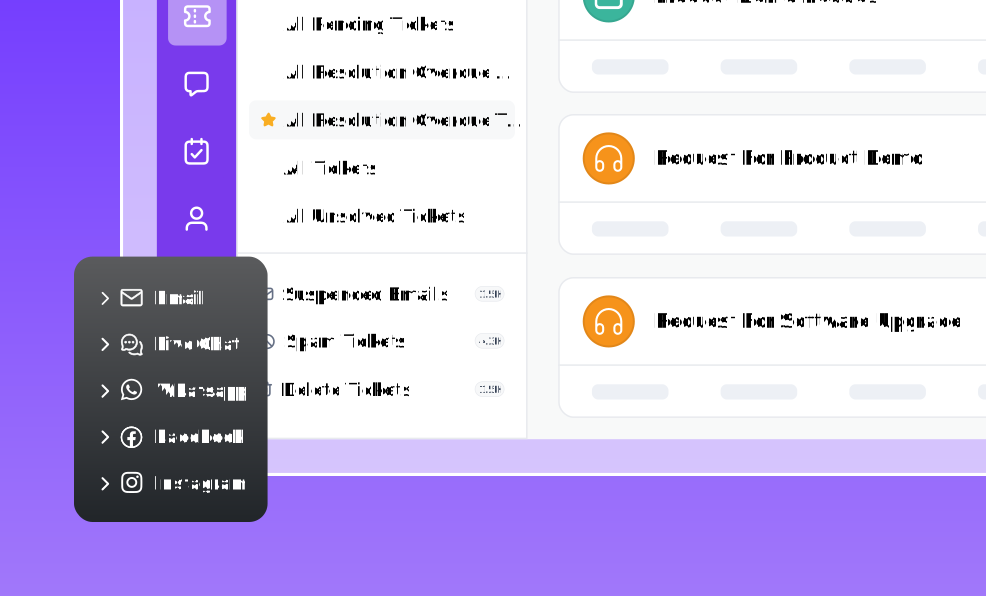
Here is where omnichannel customer service comes in handy, as it enables customers to always contact your company through any preferred communication channel without having to repeat themselves.
Providing omnichannel customer service enables the retail support staff to deliver quick responses to customer inquiries. This is because they have access to customers’ previous conversation history from all channels within one unified inbox.
Practice active listening and good communication
Effective retail customer service starts with active listening. Customers want to feel heard, understood, and respected, so support agents should listen attentively without interrupting, acknowledge what the customer has shared, and clarify details when necessary.
Clear, simple language is equally important. Communicating in a direct, human way helps prevent misunderstandings and ensures customers know exactly what to expect. Responding promptly also shows respect for the customer’s time and reinforces trust.
Offering multilingual support further strengthens communication by helping retailers serve diverse customers in their preferred language, making the experience more inclusive and accessible.
Track KPIs
In the retail business, you would like to know whether your customers are satisfied or not, what products they prefer, and how your team performs.
With the right customer service KPIs, you can identify pain points or recurring issues, allowing your retail customer care team to address the root causes of client issues.
Metrics such as NPS and customer satisfaction score (CSAT) can help evaluate customer contentment with the service you offer. Regular KPI reviews help you set improvement goals and confirm progress over time.
Be proactive in your retail customer support
Customer service should not only be offered during the purchasing process but also during onboarding and post-purchase.
Retail staff should be able to anticipate customers’ needs, questions, or potential issues before they arise, rather than waiting for them to seek help or voice concerns.
Retailers should deliver a proactive customer service by:
- Testing products firsthand to ensure any issues a customer may face are addressed before the product is put on the market.
- Being honest and transparent.
- Informing the customers in advance of any scheduled maintenance in your service.
- Contacting customers for feedback to better understand their expectations and gauge if your service meets their needs.
- Informing customers of any delays in the delivery of products.
Offer loyalty programs
Consider giving the loyal customers different incentives, such as exclusive offers, discounts, or a point redemption system. Such gestures can encourage buyers to return for more purchases.
Moreover, customer loyalty programs provide relevant data to enable retailers to profile loyal buyers and customize services to meet their needs.
Ask customers for feedback
Reviews may be positive or negative, but support teams should respond promptly to both to establish good relations with their customers.
Retailers can collect customer feedback through surveys, feedback forms, in-app feedback, conducting customer interviews, and email requests.
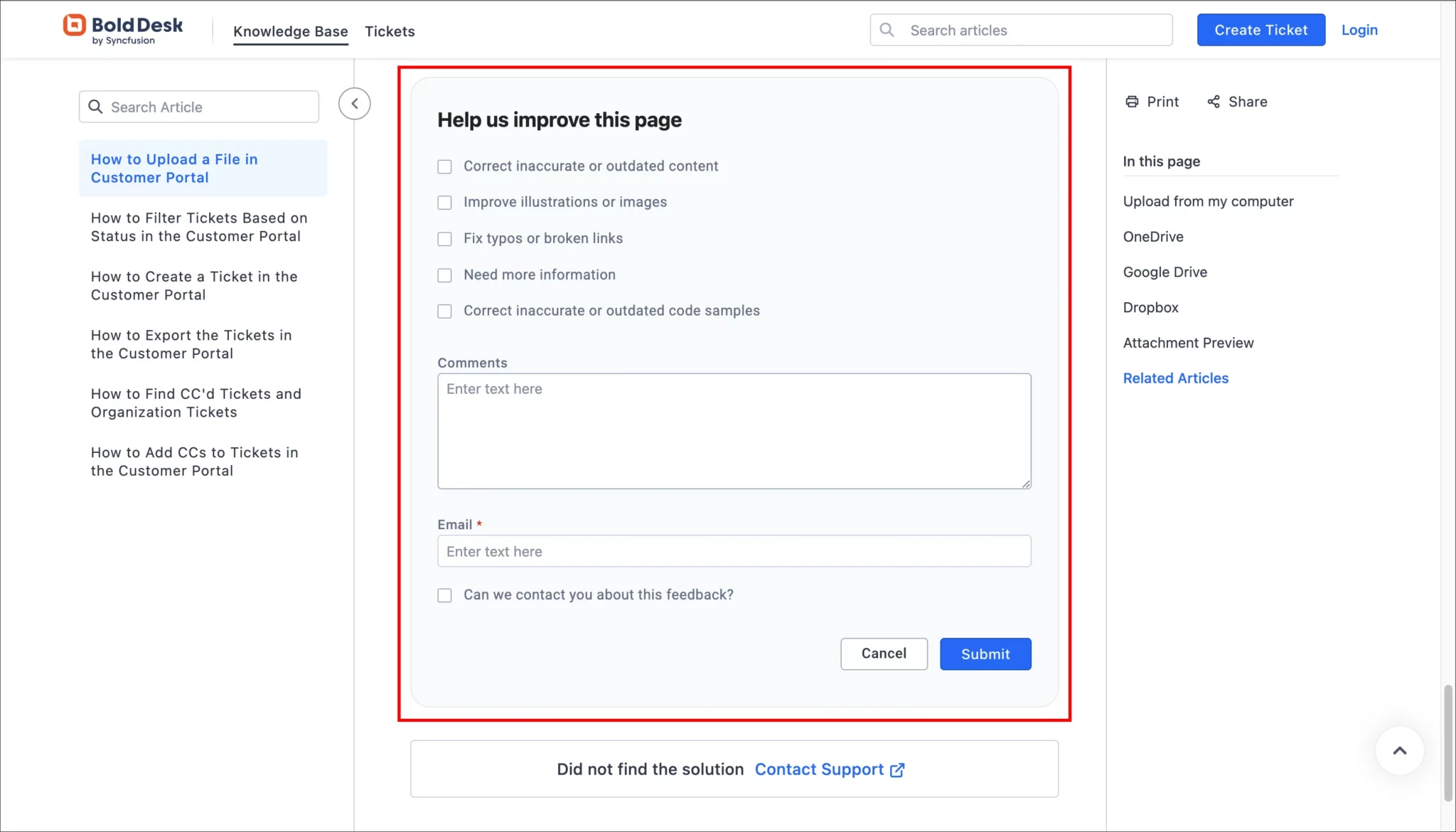
Customer feedback can help retail brands to know where they can improve and keep increasing their quality of service.
Examples of good retail customer service
Here are just a few examples of brands known for offering exceptional retail customer service that meet the needs of consumers, leaving them delighted.
Apple
Apple is a company that has an efficient customer support system because of its well-trained personnel both within retail outlets and on social media platforms.
The Genius Bar offers personalized technical support for the products to make sure customers are given hands-on support with their devices. Apple emphasizes creating an engaging in-store experience with customers to increase their satisfaction.
Trader Joe’s
One of the things that distinguishes Trader Joe’s from other grocery stores is the positive attitude of the staff and the unique shopping experience they offer.
Staff members are encouraged to engage with customers in a friendly manner and go out of their way to make personal recommendations of goods to them.
The interior design cover is constructed in a way that encourages exploration of the shop, hence making shopping fun and not purely transactional.
Amazon
Amazon is renowned for its customer-centric approach. It strives to ensure that all customers feel that they matter through its personalized recommendations as well as convenience in shopping.
Amazon’s retail customer service entails features such as easy returns, 24/7 customer support, and proactive communication regarding order status. Additionally, their Prime membership program provides benefits like free shipping and exclusive deals.
Virgin Trains East Coast
Virgin Trains East Coast invests in making a journey with them enjoyable: it will provide a pleasant travel experience that makes their passengers feel special.
This includes offering complimentary refreshments during travel, ensuring cleanliness on board, and having readily available personnel to help the travelers with any need or concern.
What are the biggest challenges in retail customer service?
Retail customer service today is more demanding than ever, shaped by rising customer expectations, increasing competition, and rapid shifts in buying behavior.
To stay competitive, retailers must navigate several challenges that affect both online and in‑store experiences. Here are the most common obstacles retail teams face:
Managing rising customer expectations across channels
Retail customers expect fast, helpful, and personalized support whether they’re in-store, online, or contacting service teams.
With 71% of shoppers preferring to use multiple channels when they buy (Salesforce), meeting these expectations consistently is a major challenge.
Delivering seamless omnichannel retail service
Shopper journeys now often begin on one channel and end on another, such as finding a product online but completing the purchase in-store. This creates complexity for support teams that must maintain continuity and eliminate friction across every interaction point.
Handling the increasing number of touchpoints
With customers engaging through websites, apps, stores, social media, chat, and phone, retailers must provide consistent information and service quality everywhere, something traditional support setups struggle to achieve.
Ensuring efficient issue resolution
Retail scenarios often involve order tracking, returns, exchanges, shipping delays, or product availability issues. These cases require quick access to accurate information, but fragmented systems and disconnected data make swift resolutions difficult.
Supporting both in-store and online service demands
Retail teams must balance the needs of walk‑in shoppers and digital customers simultaneously. This dual-layer service model increases complexity and requires unified tools and processes.
Providing consistent answers and information
When product details, promotions, or policies change frequently, keeping all channels aligned is difficult. Inconsistent information leads to frustration and erodes customer trust, especially when shoppers move between channels.
Level up your retail customer service today!
Good retail customer service goes beyond resolving problems. It creates positive experiences that encourage customers to return and recommend your brand to others. When shoppers feel valued and supported, they are more likely to remain loyal and share their experiences with others.
Retail customer service is evolving rapidly, and having the right tools helps teams manage omnichannel support, automation, and customer insights more effectively. Platforms like BoldDesk make it easier for retailers to streamline support operations, respond faster, and deliver consistent customer experiences across channels.
Contact us to schedule a 30-minute live demo and see how BoldDesk can help your business deliver better retail customer support. You can also start a 15-day free trial to explore the platform and its features firsthand.
We hope you found this informative. We would love to hear any feedback or other suggestions you may have in the comment section below.
Related articles
- 24/7 Customer Service: A Complete Guide
- Best Customer Service Tips for Better Support in 2024
- 12 Ways to Deliver Good Customer Service
FAQs on retail customer service
AI-powered solutions automate FAQs, returns, and tracking, delivering faster, smarter, and more personalized customer service.
Small retailers can match big brands in customer service by using personalized attention, quicker responses, and stronger relationships, even with limited resources and smaller teams.
Online support uses chat, email, and self-service for remote help, while in-store service provides instant, face-to-face assistance with personalized interaction and real-time issue resolution.
A retail customer service representative assists shoppers by answering questions, processing transactions, resolving issues, and providing product information to ensure a positive and seamless shopping experience throughout.
Retail customer experience can be measured using a combination of qualitative and quantitative metrics. Common methods include CSAT surveys, NPS, and customer effort score to understand how easy it is for shoppers to get help.
Retailers also track repeat purchases, reviews, social feedback, and post‑purchase surveys to understand satisfaction, ease of service, and overall loyalty.
Retail customer service representatives rely on several core skills to deliver positive shopping experiences:
- Active listening: Understanding customer concerns fully before responding.
- Clear communication: Explaining policies, products, and next steps in simple language.
- Patience and empathy: Remaining calm and supportive when customers are frustrated.
- Product knowledge: Knowing product details and store policies to provide accurate assistance.
- Multilingual capabilities: Serving diverse customers in their preferred language.