





Getting My Bearings
It’s 12:45 p.m. In just 15 minutes, my day officially begins—but my mindset is already in “go” mode. As a sales coordinator lead, my job kicks into gear when most people wrap theirs up.
My first ritual is a quick stand-up with the team. It’s not just about syncing up—it’s our daily pulse check. We review pending high-priority orders, review carryovers from yesterday, and flag any red alerts.
Then, I dive into emails, list views, and dashboards. Urgent requests get fast-tracked, and I mentally map the attack order for the rest of the shift.
What Does Sales Mean to Me?
Sales aren’t just about revenue. They’re about connecting the dots among customers, solutions, and value. Yes, the sales team closes the deals, but non-sales teams like mine ensure those deals are complete, clean, and ready to flow smoothly into operations.
Sales teams generate leads, conduct demos, and build trust. We, on the other hand, verify, validate, and execute. It’s like passing the baton in a relay: we pick it up right when the sprint ends and carry it over the finish line.
How a Ticketing Platform Weaves It All Together
In the bustling world of sales operations, multiple teams play a role from the moment a deal is confirmed to the final payment and customer support.
Our BoldDesk® ticketing platform is the glue that holds the process together. It gives us visibility, accountability, efficiency, and traceability.
The Sale Begins
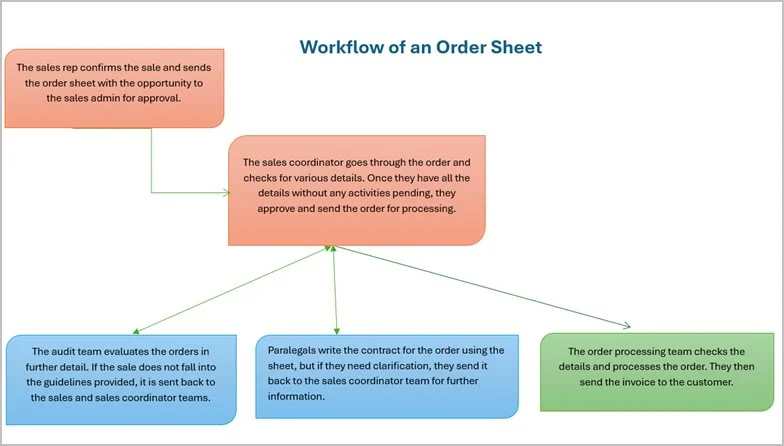
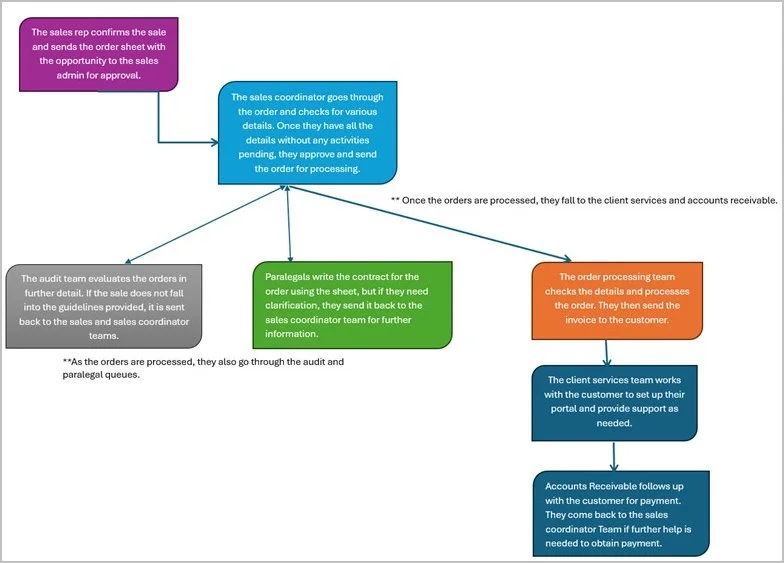
It all starts with the sales representative, who seals the deal and sends the order sheet along with the opportunity details to the sales admin. In our ticketing system, this becomes the first ticket—complete with attachments, notes, and a clear status: Pending Approval.
The Review Phase
The sales coordinator picks up the baton. Their job? To scrutinize the order for completeness, checking for missing details, pending activities, and compliance. If anything’s off, they update the ticket with comments and send it back. If everything’s in order, they mark it Approved and forward it to the next team.
Processing the Order
Now, the order processing team steps in. They verify the details, process the order, and generate the invoice. The ticket is updated again, this time with invoice information and a status change to Processed. The customer receives the invoice, and the journey continues.
Client Services and Payment Follow-Up
The client services team uses the ticket to set up a customer portal and provide onboarding support. Any queries or issues are logged right there, keeping communication centralized.
The accounts receivable team monitors the payment status. If payment is delayed, they update the ticket and return to the sales coordinator for assistance. No more chasing emails—everything is tracked.
Audit and Legal Checks
Meanwhile, the audit team reviews the order for compliance. If something doesn’t meet internal guidelines, the ticket is flagged and returned to the sales team for correction.
On the legal side, paralegals use the ticket to draft contracts. If they need clarification, they comment within the ticket, and the sales coordinator steps in to resolve the issue.
The Hidden Side of Sales Coordination
Once a deal is closed, that’s when our real work begins. My team and I meticulously review order sheets, verify linked opportunities and quotes, unlock or correct post-closure tickets, and prepare the final order.
Did you know we perform more than 40 detailed checks on each order before it’s submitted?
From verifying company names, contracts, and product splits to ensuring payment methods and legal contact info are in place, we leave no field unchecked. We even validate the product and internal customer profile details. If one small detail is missing, the whole process could be complex.
Collaborating Across the Board
I’m constantly collaborating with sales reps to correct errors, working with the legal team on pricing and contracts, aligning with accounting on NET terms, training with the sales team to bridge skill gaps, and coordinating with order processing to ensure smooth handoffs.
BoldDesk collaboration features make this easy, especially the sales operation site ticketing system.
The Engine Picks Up Speed
By this time, we’re in full swing. My plate is full of strategy meetings, process escalations, SLA tracking, and mentoring newer teammates, but that’s how I like it. I closely monitor open activities and pending approvals through BoldDesk while ensuring our pipeline remains unblocked.
End of the Month? A Whole Different Beast
The end of the month is a whole different beast. The energy shifts into overdrive, order queues swell, deadlines tighten, and communication becomes constant.
We focus on clearing backlogs, updating sales reps, and resolving reconciliation issues. When it’s all done, the end-of-month report tells the story of our hustle.
Final Lap
As the day winds down, I prepare handoff notes after one final scan of our Bold BI® dashboards.
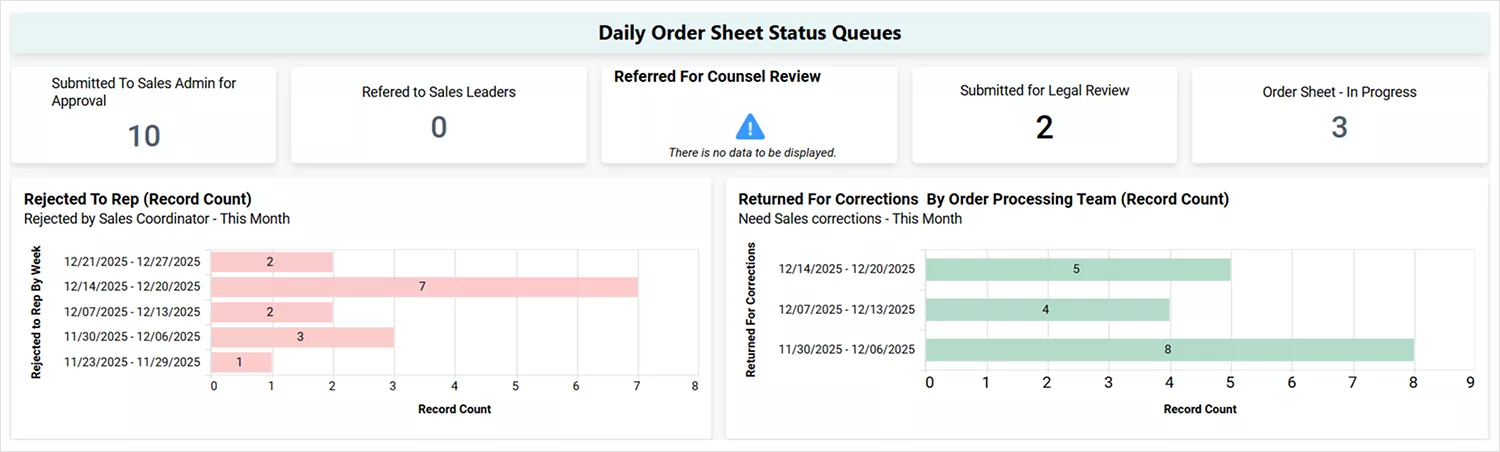
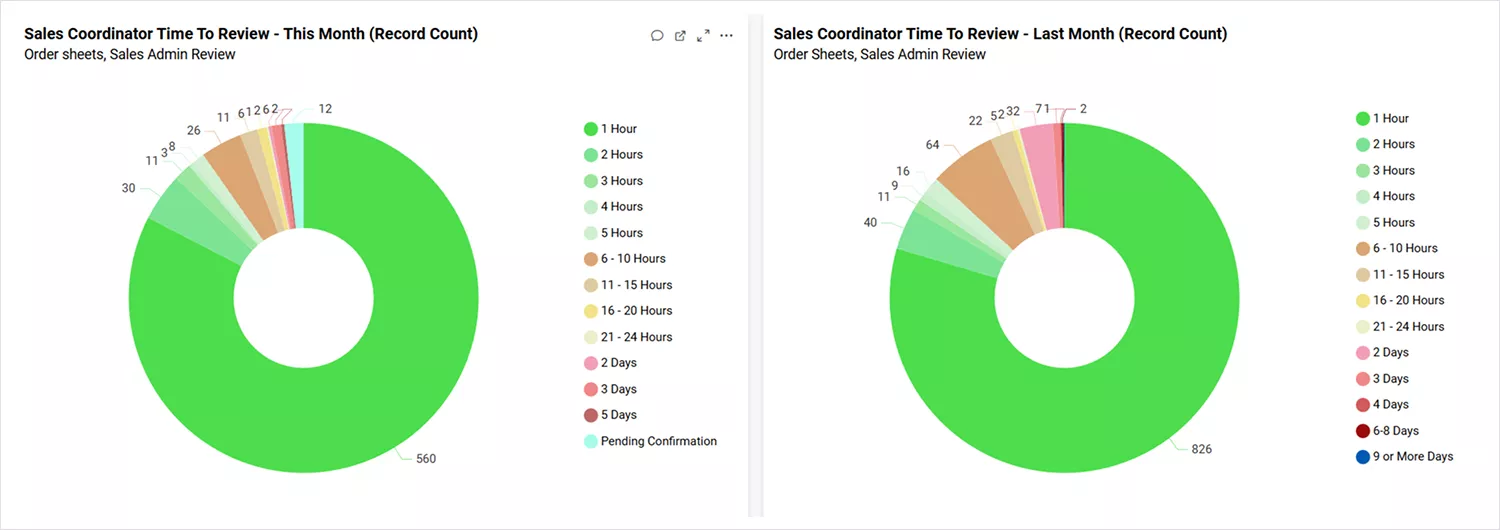
I gather the team for a last check-in. We share wins, flag blockers, and log takeaways. It’s satisfying to end the day knowing we’ve cleared a path for others to succeed tomorrow.
Why I Love This Role
Being a sales coordinator lead isn’t about overseeing—it’s about enabling.
I get to solve real problems, drive efficiency, grow my team’s confidence, bridge departmental gaps, and directly impact business performance. It’s the kind of role where you feel your impact, not just in numbers but also in smoother systems, happier customers, and a stronger team.
The Unsung Heroes of Sales
Non-sales teams may not be chasing quotas. But we ensure every order is clean, compliant, and ready. We give sales teams the space to do what they do best, and we catch the cracks before they become problems. BoldDesk and Bold BI make my day easier.