





TL;DR: Customer Service ROI measures the value and profitability of customer support investments. By tracking customer retention, satisfaction, revenue impact, and support costs, businesses can evaluate performance and improve returns through faster response times, customer feedback, automation, and more efficient support operations.
The foundation of any successful business is good customer service. Measuring customer service return on investment (ROI) is an excellent way for brands to enhance their customer service and retain clients in a cost-effective way.
Companies that consistently improve their customer service ROI can ensure sustainable practices for their bottom line while raising client satisfaction.
A clear understanding of customer support ROI also lets you know if your business is breaking even or profiting when it undertakes initiatives to improve customer service.
In this post, we will examine what customer service return on investment is and how to measure it. We will also share some great tips on how to improve your customer support ROI.
What is return on investment in customer service?
Return on investment (ROI) is a way to measure the profitability or efficiency of an investment. In the context of customer service, it is measured as the earnings or losses as a result of investing in your customer service, expressed as a percentage.
A positive ROI in customer service can be achieved by improving the overall customer experience in ways that lead to higher customer retention.
Customer service ROI can be calculated using the following formula: ROI (%) = ((Benefits from Customer Service Investment − Customer Service Costs) ÷ Customer Service Costs) × 100

Why is it important to measure ROI in customer service?
Measuring return on investment in customer service provides valuable insights into the effectiveness of support operations and their impact on the overall business performance.
Understanding ROI helps businesses:
- Make data-driven decisions to optimize resource allocation.
- Improve operational efficiency.
- Maximize profitability.
- Identify areas of improvement.
- Prioritize investments in customer service technologies.
- Conduct focused training.
- Allocate budgets more effectively to programs that yield the highest returns.
Additionally, ROI measurement enables organizations to demonstrate the value of customer service efforts to stakeholders, justify investments, and gain support for future initiatives.
How to measure ROI in customer service
Measuring customer service ROI entails the calculation of all service-related expenses such as training program spending, wages, and overhead costs.
The time spent delivering service also contributes to the cost.
Profits gained can be assessed by monitoring metrics like customer upgrades, renewals, and referrals. These profits are then weighed against the service costs to determine the ROI in customer support.
Identify what you can measure and modify it for your business
To calculate customer service ROI, track metrics related to your business goals, such as customer satisfaction scores, retention rates, or response times.
By tracking the right support KPIs, businesses can make data-driven decisions to enhance customer support and increase return on investment.
Examples of customer service metrics to track include:
- Net promoter score: Measures the willingness of customers to recommend your company’s product or service to others.
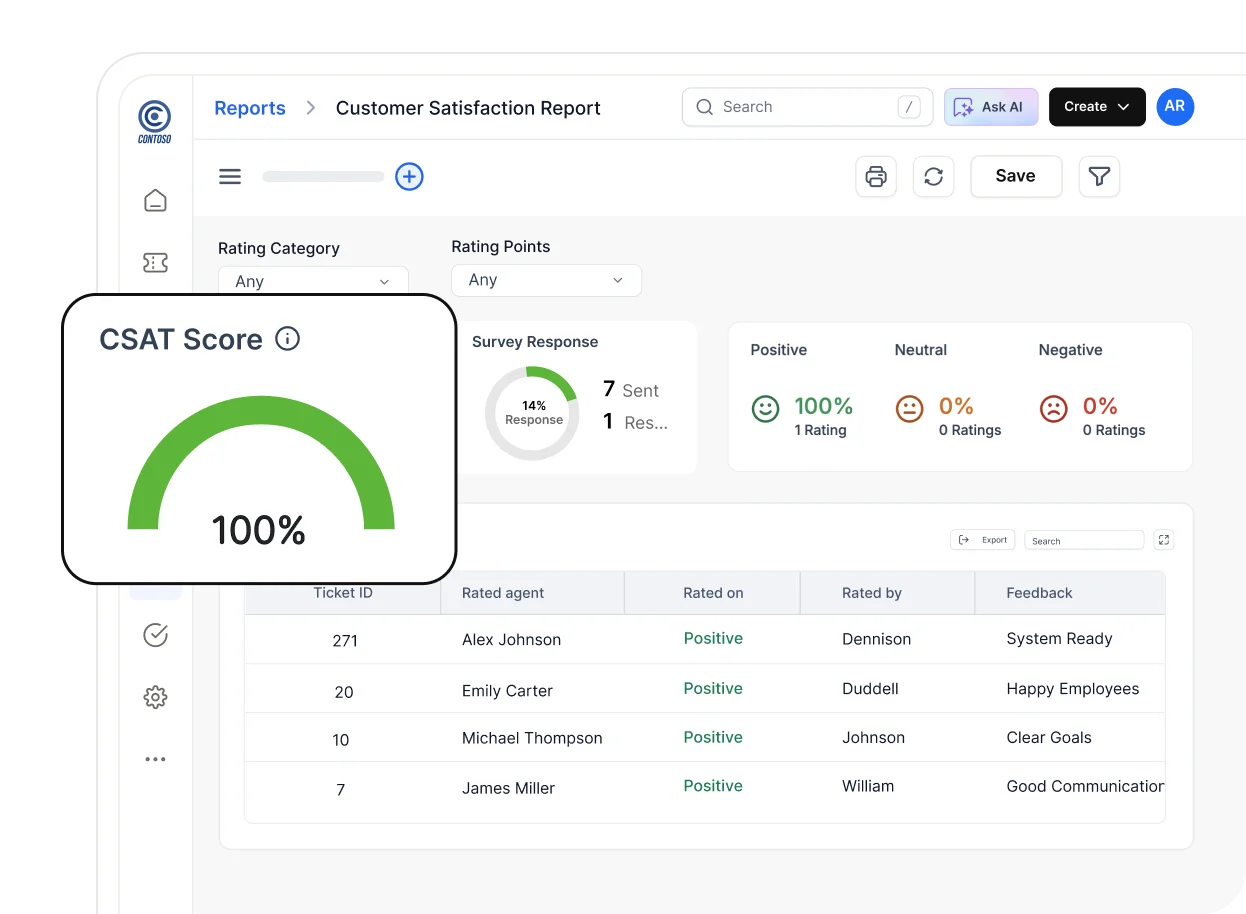
- Customer satisfaction score: Gauges the level of satisfaction customers have with your brand.
- Customer lifetime value: Predicts the total net profits associated with the entire customer relationship.
- Cost per conversation: The cost of providing customer support based on the total number of customer interactions.
- Retention rates: The percentage of customers who continue using your product or service over a specific period.
Generate a customer support ROI hypothesis
This involves estimating the contribution of your support team toward the company’s success.
Start by making an educated guess about the ROI from your customer support initiatives.
For example, if you believe that enhancing response times will result in greater customer satisfaction and increased sales, then that’s your hypothesis.
From there, you can evaluate this hypothesis by implementing modifications and assessing the results.
Identify the cost of investment
Determine how much you are investing in customer support. Identify the costs associated with staff, training, hardware, and software, and other related expenses.
To keep ROI calculations accurate and actionable, many organizations rely on detailed customer service reports that consolidate performance trends, customer outcomes, and operational data into one view.
How to improve customer service ROI
The following are some strategies to improve customer support ROI:
Focus on retaining customers
Make sure your business retains its existing customers by keeping them engaged, satisfied, and loyal.
By monitoring the number of customers renewing their service subscription or product purchase, you’re able to assess your customer retention rate.
According to Semrush, 89% of companies believe that excellent customer support is vital to customer retention.
The ability to hold onto customers is a critical indicator of the success and efficiency of your customer support efforts, as it directly impacts your business’s income and profitability.
Monitor your response and resolution times
It is important to respond promptly to customer inquiries, as customers expect short response times from a company’s customer service.
However, it is crucial to provide a thorough response rather than using a generic template.
By closely monitoring the time it takes for customer queries or issues to be resolved, companies can obtain valuable information about the efficiency and effectiveness of their customer support operations.
This strategy allows organizations to assess customers’ satisfaction with responses, identify areas for improvement, and refine their customer support practices, improving customer support return on investment.
Take note of returning customers
The frequency of customers coming back to your business is a clear indication that your business is effectively retaining them, suggesting that your company is providing high-quality customer support.
By evaluating the number of returning customers, your company determines whether your customer support is performing as an asset for your company’s bottom line or a detriment to its performance.
Analyze customer sentiment
Analyzing customer sentiment helps businesses understand how customers feel about their products or services.
Therefore, positive sentiment can lead to increased customer loyalty and advocacy, while negative sentiment provides useful insights for improvement.
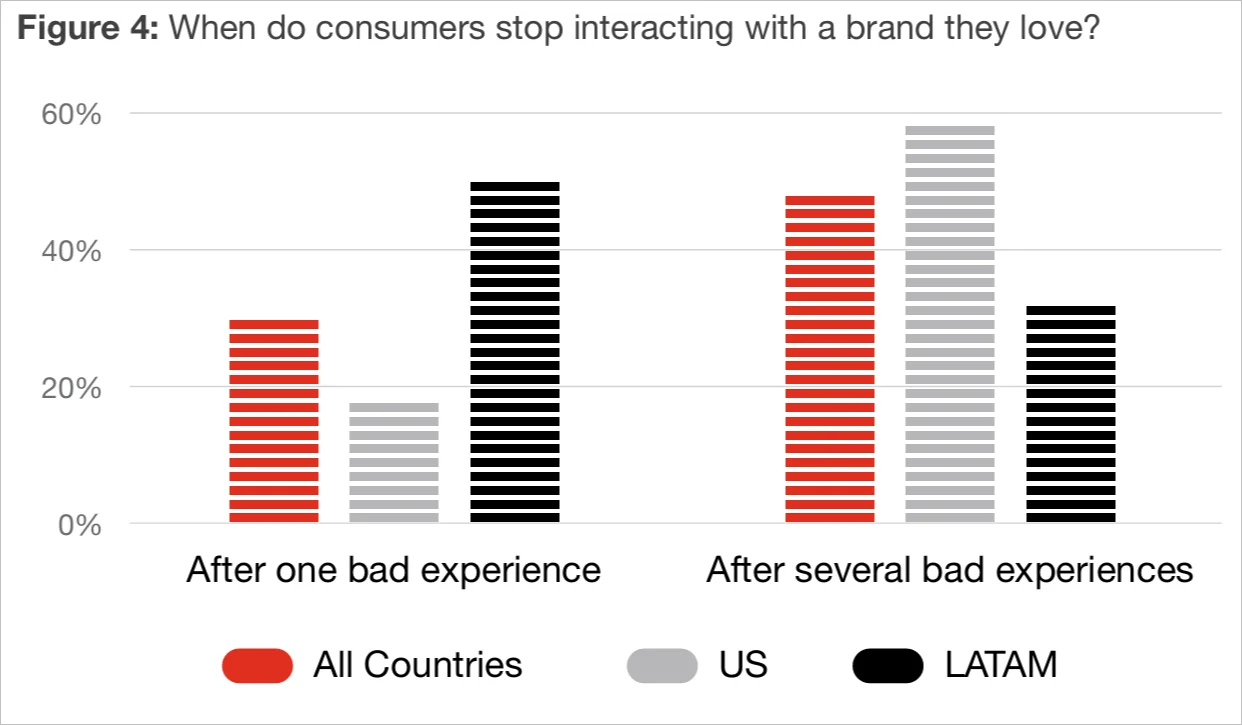
Ignoring negative feedback can be costly, as customer dissatisfaction often translates into lost business. According to PwC, one in three consumers will stop doing business with a brand they love after just one bad experience.
Leveraging customer service analytics can uncover patterns in customer behavior, interactions, and feedback that directly influence support performance and ROI.
Divide your customers into segments
By categorizing customers according to different attributes, you can create customized marketing and service approaches.
This customization has the potential to enhance customer interaction and increase customer support ROI.
Identify daily challenges
Understanding the everyday difficulties encountered by your business can aid in addressing issues that may hinder the effectiveness of its customer support.
Resolving these challenges can enhance the customer service experience, resulting in an increase in customer satisfaction and a higher ROI in customer support.
Empower your employees and encourage team collaboration
Give your customer service team members the training and education they need to excel in their roles. The better they perform, the higher your customer service ROI.
By giving your employees the authority to make decisions and resolve problems, you can increase the number of customer issues resolved and reduce customer turnover.
A dedicated support team is expected to provide high-quality service. Customer relationships can be improved by maintaining a high level of engagement between the support team and customers.
Investing in team engagement, such as providing regular training and focusing on team building, results in more satisfied customers, improved reviews, and an increased customer support return on investment.
Use customer feedback for improvement purposes
Collecting and responding to customer feedback is a crucial aspect of enhancing customer support ROI. Analyzing these responses can help identify possible enhancements for your customer support.
Utilize technology
Utilizing technology can enhance the efficiency of your customer support actions. Tools like a ticket AI agent and automation can enable your customer support team to deliver quicker and more precise service to your clients.
Additionally, advanced technologies such as predictive analytics in customer service can help businesses anticipate customer needs, forecast support demand, and proactively improve support outcomes.
Monitor and track progress
Establishing targets and monitoring progress enables you to identify areas of your customer support that need improvement. You can then make informed decisions based on data on how to upgrade your customer support initiatives.
A structured customer service scorecard can help evaluate agent performance and service quality against predefined goals and benchmarks.
Maximize your customer service ROI
Measuring customer service return on investment is challenging because it requires evaluating abstract elements of a company’s customer support.
Businesses can employ methods like customer sentiment analysis, customer interaction tracking, and surveys to gain significant insight into the impact of their customer support investments.
Choosing the best customer service software can help businesses streamline operations, track performance, and deliver better customer experiences while controlling support costs.
With BoldDesk, you can leverage features that will help you improve your customer support. Sign up for a free trial to experience firsthand how BoldDesk’s features work and how they can streamline your support processes.
Related articles
- 8 Strategies to Provide Efficient Customer Service
- 10 Practical Tips to Improve First Response Time in Customer Service
- 40+ Popular Customer Satisfaction Survey Questions
FAQs on customer service ROI
The timeline varies by business, but many organizations begin seeing results within a few months through improved customer satisfaction, retention, and operational efficiency.
Customer retention, agent productivity, customer satisfaction, response times, resolution rates, and technology investments are some of the biggest factors influencing customer service ROI.
Yes. Customer service ROI can be challenging to measure because benefits such as loyalty, customer satisfaction, and brand reputation are not always directly tied to revenue.
Small businesses can improve ROI by reducing response times, investing in support tools, collecting customer feedback, and focusing on retaining existing customers.