

 In this page

TL;DR: Watch the BoldDesk webinar recording to learn how to reduce ticket reassignments through clear ownership, structured workflows, and better routing practices. Discover the operational gaps that cause excessive ticket handoffs, practical ways to improve accountability, and how BoldDesk supports more efficient support operations.
Ticket reassignments are a normal part of customer support. Not every issue can be resolved by the first person who receives it.
However, many support organizations discover that tickets move between teams far more often than necessary.
This is exactly what the latest BoldDesk webinar on reducing ticket reassignments with clear ownership and workflows explored.
The session examined why ticket reassignments happen, the hidden costs they create, and the operational practices support teams can implement to cut unnecessary handoffs without limiting collaboration.
Watch the webinar
Explore the recording below to see how customer support teams can improve ownership, streamline workflows, and minimize unnecessary ticket transfers.
Who should watch this webinar recording?
This webinar is designed for teams looking to improve support efficiency, strengthen accountability, and reduce unnecessary transfers across their support operation.
- Support leaders: Heads of support, support managers, and customer experience leaders focused on improving ownership, accountability, and delivering a more consistent support experience.
- Support operations professionals: Teams responsible for routing rules, escalation processes, workflow management, and overall support performance.
- IT leaders and administrators: Decision-makers evaluating support technologies, automation capabilities, and operational processes that improve service delivery.
- Business owners and founders: Growing businesses looking to establish scalable support processes that help teams resolve issues faster while maintaining clear ownership as ticket volumes increase.
The hidden costs of excessive ticket handoffs
Below are some of the most common ways excessive ticket handoffs affect customers, agents, and support operations.
- Customers lose confidence: Repeated transfers often require customers to explain the same issue multiple times while waiting longer for updates and resolution.
- Agents spend time on coordination instead of resolution: Every ownership transfer introduces additional investigation, internal discussions, and context gathering. Productive support time is replaced by coordination work.
- Operational costs increase: The more people involved in resolving a ticket, the more effort the organization invests in reaching the same outcome.
- SLA targets become harder to achieve: Additional transfers create delays that make response and resolution goals more difficult to meet consistently.
The webinar emphasized an important point: support teams should not focus solely on whether a ticket was resolved. They should also evaluate how much effort was required to reach that resolution.
What causes unnecessary ticket reassignments?
Many ticket transfers happen because of underlying process issues, not because transferring tickets is fundamentally necessary.
Several challenges frequently contribute to unnecessary transfers.
- Unclear ownership: When responsibility is not clearly defined, multiple people become involved without a single owner driving progress and customer communication.
- Poor initial routing: When tickets reach the wrong team first, they often move through multiple queues before reaching the people best equipped to resolve them.
- Inconsistent workflows: Different teams may follow different processes for handling investigations, escalations, and approvals, creating unnecessary friction.
- Knowledge gaps: Agents who lack access to relevant information are more likely to transfer tickets instead of resolving them during the first interaction.
- Uneven workload distribution: Tickets are sometimes reassigned simply to balance workloads, even when additional expertise is not required.
The encouraging news is that every one of these challenges can be improved through stronger operational processes.
Why ownership matters more than most teams realize
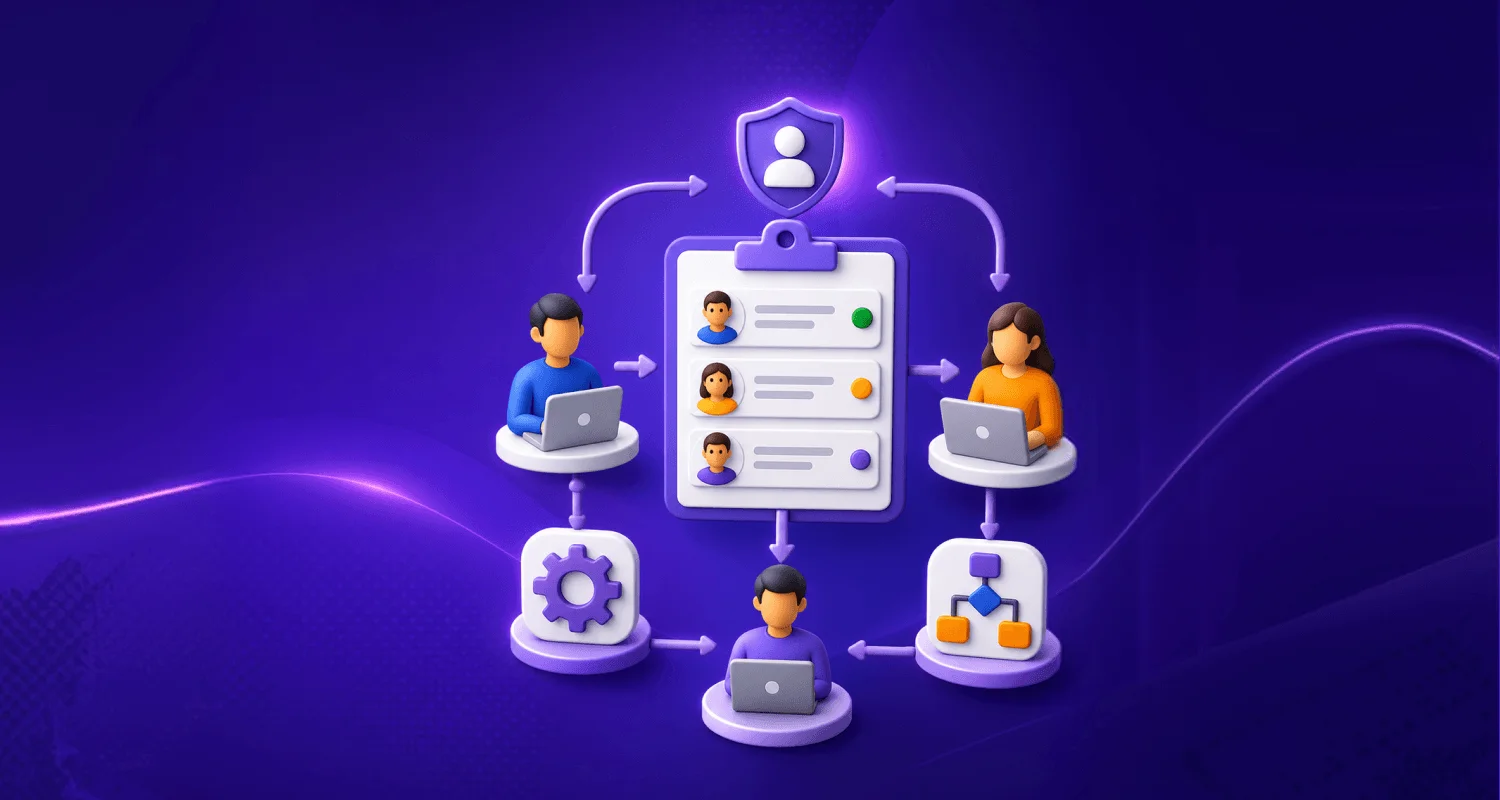
Ownership means one person remains accountable throughout the entire ticket lifecycle, regardless of how many teams contribute to the resolution.
That owner is responsible for:
- Driving progress toward resolution
- Coordinating with internal teams
- Communicating customer updates
- Maintaining accountability
- Ensuring the issue does not stall
As discussed during the webinar, this single change can significantly reduce delays and improve support efficiency.
Key takeaways from the webinar on reducing ticket reassignments
The session concluded with several recommendations for support leaders looking to reduce unnecessary ticket movement.
- Maintain clear ownership throughout the ticket lifecycle while enabling effective cross-team collaboration.
- Route tickets to the right team from start to finish using automated ticket routing rules that direct requests based on predefined criteria and help prevent unnecessary transfers.
- Create purposeful escalation paths through SLA policies and escalation controls that connect tickets with the right specialists when additional support is needed.
- Collaborate without creating more handoffs through internal conversations, @mentions, and shared ticket context that keep discussions moving without changing ownership.
- Give agents the information they need to resolve issues by providing access to a shared knowledge base and documented solutions that support faster, more confident resolutions.
Fewer handoffs, faster resolutions
The webinar concluded with a simple message: support teams perform best when tickets reach the right people quickly and progress toward resolution without unnecessary delays.
With the right processes in place, help desk software like BoldDesk makes it easier to maintain accountability, automate routing, and support collaboration without losing ownership.
Start a free trial today to see how BoldDesk can help your team reduce reassignments and build more efficient support operations.
Related articles
- How to Build a Scalable Support Operation: Webinar Recap
- Webinar: Support Metrics Revealing Real Customer Experience
- Webinar Recap: How to Build Scalable Customer Support
FAQs
Frequent transfers can create delays, require customers to repeat information, and reduce confidence in the support experience.
Yes. The webinar explores scalable practices that help growing teams maintain efficiency and accountability as ticket volumes increase.
BoldDesk supports clear ownership, automated routing, structured escalations, collaboration, and knowledge sharing to reduce unnecessary transfers.